3d Printing In Medicine
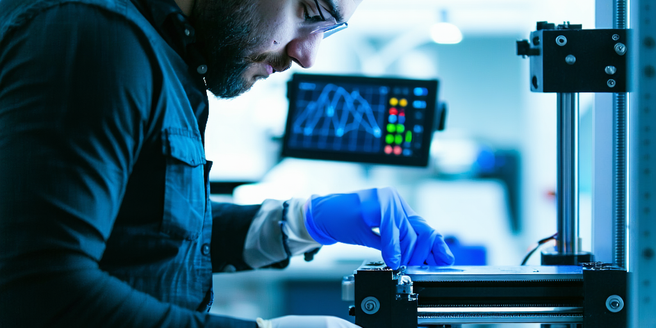
Introduction to 3D Printing Technology in Healthcare
3D printing technology has become a transformative force in healthcare, allowing for the creation of complex and customized medical solutions. Initially developed for industrial manufacturing, this technology’s applicability to healthcare highlights its versatility. By utilizing digital designs to produce physical objects, healthcare professionals can create specific models of organs, prosthetics, and intricate surgical tools. This tailored approach not only enhances the preciseness but also significantly reduces production time. As the technology advances, it bridges the gap between technical capabilities and medical demands, ensuring a better fit for patient-specific needs. The initial introduction of 3D printing has paved the way for personalized medicine, a direction that continues to evolve and adapt to the challenges of modern healthcare.
Benefits of 3D Printing in Medical Applications
The benefits of 3D printing in medical applications are substantial, offering a leap forward in personalized patient care. One significant advantage is its ability to produce bespoke prosthetics and implants, tailored to each patient’s anatomy. This customization leads to better integration and improved recovery outcomes. Furthermore, the technology is continually advancing, allowing for more complex and intricate designs that were previously unimaginable. Additionally, 3D printing drastically reduces the time from design to production, enhancing the speed at which patients receive necessary treatments. In research, it provides a cost-effective method for developing prototypes and models for surgical planning and education. By minimizing material waste and enabling precise manufacturing, 3D printing also supports sustainable practices in medical production, all of which contribute to its growing adoption in various medical fields.
Innovative Uses of 3D Printing in Surgery
In surgery, 3D printing stands out for its innovative uses, revolutionizing how surgeries are approached and performed. This technology is continually evolving, offering new possibilities for medical professionals worldwide. Surgeons can create patient-specific organ models to plan complex procedures with higher precision, reducing the risks associated with unforeseen complications. These models serve as visual and tactile guides, offering a more comprehensive understanding of the surgical field. Custom 3D-printed surgical instruments further facilitate specialized procedures, ensuring they align perfectly with patient needs. Additionally, the creation of bio-compatible scaffolds paves the way for tissue engineering and regenerative medicine, where damaged tissues can potentially be replaced by printed versions. These technological advancements are making surgeries more precise, safer, and effective.
Challenges and Considerations in Medical 3D Printing
Despite its promising applications, medical 3D printing faces several challenges and considerations. One major challenge is the regulatory landscape, as new technologies must navigate complex approval processes to ensure safety and efficacy. Additionally, there is an ongoing need for standardization of materials used in printing, as well as ensuring consistency and quality in production. From an ethical standpoint, issues related to bio-printing and the potential for misuse must be addressed. The rapid pace of technological advancement necessitates continuous updates to regulatory guidelines. The technology also demands significant upfront investment in equipment and training for healthcare professionals. Ensuring cyber-security in the digital design files is another critical aspect. Addressing these challenges is crucial for the continued integration and success of 3D printing in medicine.
Future Prospects of 3D Printing in Medicine
The future prospects of 3D printing in medicine are vast and full of potential. As technology advances, the possibility of printing complex biological structures, such as tissues and organs, becomes more tangible. These advancements could lead to breakthroughs in organ transplantation and reduce waiting times significantly. With such promising developments, healthcare could witness a revolution in treatment methodologies. Moreover, ongoing research aims to enhance the materials used, making them more biocompatible for diverse medical applications. The intersection of 3D printing with fields like genomics and AI presents new opportunities for innovation. As 3D printing becomes more accessible and integrated within healthcare systems globally, it’s poised to dramatically reshape how medical care is delivered, making it more efficient, personalized, and reliable.