$1,000 MacBook Reward
If you’ve been thinking about upgrading your laptop, you already know how expensive MacBooks can be. With prices often hitting $1,000 or […]
$1,000 MacBook Reward
If you’ve been thinking about upgrading your laptop, you already know how expensive MacBooks can be. With prices often hitting $1,000 or […]

Bluetooth Speakers For Traveling Music Lovers
When choosing a travel Bluetooth speaker, prioritize portability, waterproofing, and dust resistance. Look for models with IP ratings, Bluetooth 5.0, and NFC for improved connectivity and range. Opt for speakers with at least 10-hour battery life and features like built-in microphones and charging ports. Consider top compact models such as the JBL Clip 4, Bose SoundLink Micro, and Ultimate Ears WONDERBOOM 2, known for sound quality and portability. For durability, models like JBL Flip 6 and FUGOO Tough XL offer weather resistance and robust builds. Battery life is crucial, with options like Anker Soundcore 2 providing up to 24 hours of playtime. Finally, prioritize sound quality with speakers like Bose SoundLink Revolve+ for an immersive audio experience. Select a speaker that combines these features for versatile travel use.

Smart Rings Functionality
Smart rings are revolutionizing wearable technology by offering sleek and stylish devices that blend the functionality of tech gadgets with the aesthetic appeal of jewelry. They provide a range of features including notifications for calls and messages, health monitoring through sensors that track vital signs, and contactless payment and access control capabilities using NFC technology. These rings enable real-time health tracking, offering insights into heart rate, oxygen levels, and activity patterns, which support preventive healthcare. As central hubs for connectivity, smart rings integrate with smartphones and smart home devices, allowing users to manage their digital lives seamlessly. The future of smart rings holds the promise of AI-driven insights, enhanced biometric sensors, and improved energy efficiency, paving the way for more integrated digital experiences and a cashless, keyless society.
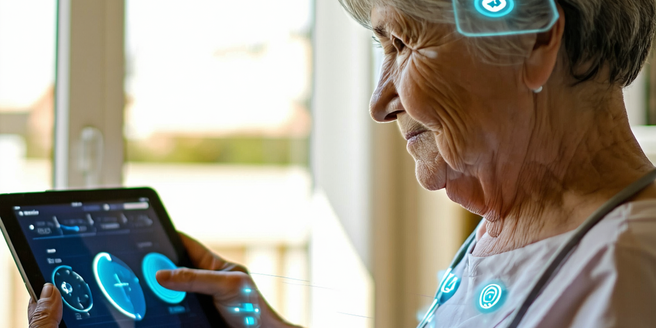
Wearable Tech And Health Monitoring
Wearable technology in healthcare has evolved significantly, progressing from basic fitness trackers to advanced health monitoring devices capable of tracking vital signs like heart rate, oxygen levels, and ECGs. This shift is driven by sensor miniaturization and connectivity improvements, leading to greater roles in preventative healthcare. Devices such as smartwatches and rings, continuous glucose monitors, and smart clothing highlight the diversity in health monitoring solutions available. These devices not only serve health enthusiasts but support patients with chronic conditions by enabling real-time health tracking and personalized care plans. The integration of AI in wearables enhances data processing and user interaction, offering predictive insights and personalized recommendations. However, privacy concerns around data collection underscore the need for strong encryption and transparent policies. Looking ahead, wearable health technology is poised for further innovations, enhancing patient care and broadening its impact in healthcare.
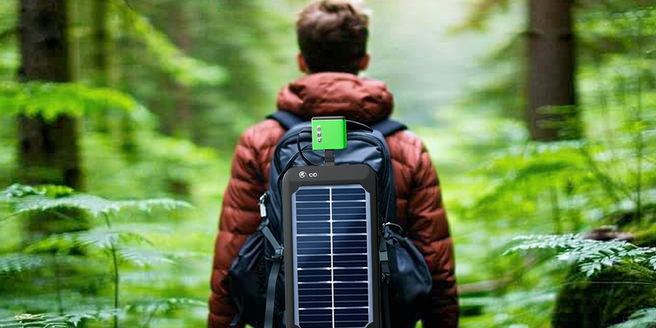
Portable Chargers For Travelers
Discover the essential types of portable chargers, including USB power banks, solar chargers, and AC outlet-equipped chargers, to keep your devices powered on the go. Understand their functionalities and compatibility to choose the best option for your needs. Explore key features such as capacity, output power, and safety elements to find the perfect portable charger. Learn about top recommendations for international travel, including Anker PowerCore, RAVPower, Mophie Powerstation, and Zendure chargers. Prioritize safety with built-in protection features and proper usage guidelines. Extend your charger's lifespan with maintenance tips like avoiding extreme temperatures and using manufacturer-recommended cables. Stay connected and powered wherever your travels take you with the right portable charging solutions.

Smart Retail Solutions
Smart retail technologies are transforming the retail sector by integrating AI, IoT, data analytics, and automation to enhance store operations, customer engagement, and inventory management. AI personalizes customer interactions, predicting preferences and optimizing service delivery through chatbots and machine learning algorithms, ultimately increasing sales and brand loyalty. IoT devices like smart shelves and RFID tags improve inventory management by providing real-time tracking, reducing wastage, and enabling targeted marketing strategies. Data analytics offer deep insights into consumer behavior, allowing for personalized shopping experiences and informed business decisions. Automation streamlines operations by reducing manual labor, speeding up processes, and improving efficiency. Retailers utilizing these technologies gain a competitive edge, creating a seamless, personalized shopping experience while reducing costs and increasing customer satisfaction.

Telepresence Robots
Telepresence robots are transforming remote interaction by providing a physical presence in distant locations. Equipped with screens, cameras, and microphones, these robots enable real-time communication, making them valuable for business meetings, education, and healthcare. They integrate robotics and communication technology, allowing users to control them remotely via the internet. Benefits include reduced travel costs, enhanced collaboration, and sustainable practices. Popular applications span healthcare, education, corporate settings, and more. However, challenges like internet dependency, cost, and privacy concerns exist. Future advancements in AI and battery technology promise improved functionality and accessibility, expanding their role in various industries.
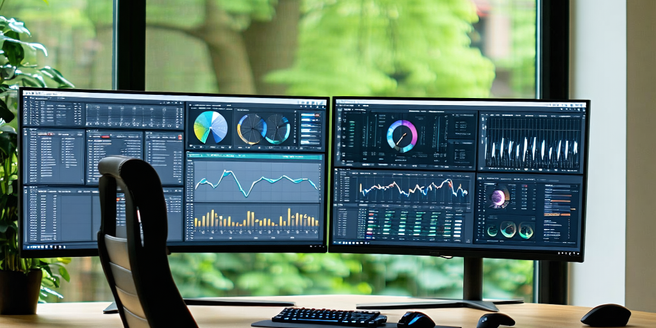
Productivity Apps For Remote Work Optimization
Productivity apps are essential for remote teams, offering tools to streamline tasks, enhance communication, and increase efficiency. These applications address needs such as project management, time tracking, and collaboration, helping teams overcome geographical and time-zone challenges. Top apps include Slack for communication, Trello and Asana for project management, Zoom for video conferencing, and Google Workspace for document collaboration. Choosing the right app involves assessing team needs, user-friendliness, budget, and integration with existing tools. Effective integration ensures a seamless workflow, enhancing productivity by reducing disruptions. By strategically using and regularly updating these apps, remote teams can maximize their efficiency and maintain alignment with goals. As remote work continues to grow, the importance of productivity apps in the modern workspace becomes increasingly evident.
Saas Applications In Mobile
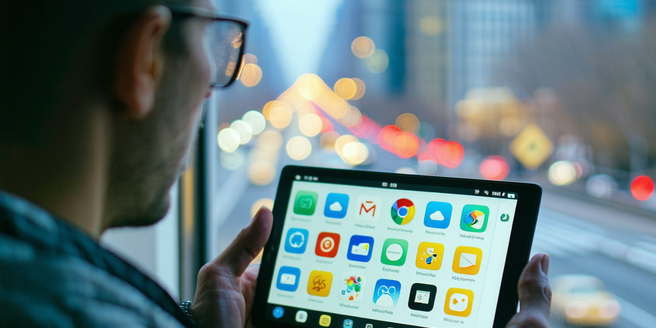
SaaS applications in mobile development have transformed businesses by offering flexible, cloud-based solutions without the need for extensive on-premises installations. They enhance productivity by allowing real-time access to data on mobile platforms, catering to needs like customer relationship management and analytics. SaaS models are cost-effective, featuring subscription-based pricing that scales for small to large enterprises. Key advantages include scalability, ubiquitous access, and regular updates that enhance software capabilities while ensuring security. However, challenges such as device compatibility, data security, and performance optimization need strategic management. Future trends involve AI integration, mobile-first design, 5G enhancements, and sustainable tech. Best practices for deployment emphasize understanding user needs, responsive design, reliable architecture, and thorough security measures. These factors make mobile SaaS applications vital for modern business innovation and growth.

Brand Loyalty Influences
Understanding brand loyalty involves recognizing consumers' commitment to a brand through consistent positive experiences and perceived value. This loyalty is crucial for companies as it leads to higher retention, reduced marketing costs, and increased profitability. Psychological factors such as trust, emotional connections, and social proof influence consumer loyalty, with brands aiming to align with consumer beliefs. Social media enhances brand allegiance by facilitating direct interactions and influencer-driven engagement, creating a sense of community. Economic factors also impact brand affinity, with consumer behavior shifting based on economic conditions. Innovative strategies, like personalized marketing and loyalty programs, are essential for enhancing brand commitment. Brands can maintain loyalty by delivering value and emotional connections despite varying financial climates and competitive pressures.

Adjusting Antenna Direction
Understanding signal interference factors such as physical obstructions, electromagnetic interference, and weather conditions is crucial for optimizing antenna signal reception. Trees and buildings, devices like microwaves and wireless routers, and adverse weather can weaken signals. Proper tools, including a compass, signal strength meter, and basic hand tools, are essential for precise antenna adjustment. For optimal signal quality, research broadcast tower locations, align using a compass, and measure reception with a signal strength meter. Avoid common mistakes such as ignoring obstructions or electromagnetic interference. In different environments, adjust positioning strategies to account for urban, rural, or suburban challenges. Proper evaluation and adjustments can significantly enhance antenna performance and ensure reliable signal reception.