Smart Retail Solutions
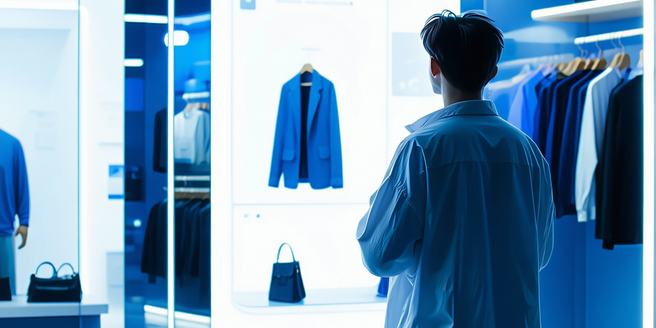
The Rise of Smart Retail Technologies
In recent years, the retail sector has witnessed a significant transformation through the integration of smart technologies. Smart retail technologies, ranging from AI-driven analytics to IoT-enabled devices, are revolutionizing the way businesses operate. These innovations provide retailers with tools to enhance store operations, streamline logistics, and improve customer engagement. By leveraging real-time data, retailers can optimize inventory management, reduce costs, and create a personalized shopping experience for customers. Retailers who adopt these technologies can gain a competitive edge in the market, as they are able to anticipate and respond to consumer needs more rapidly. The rise of such technologies is paving the way for more efficient and customer-centric retail environments, ultimately leading to a more connected and seamless shopping experience.
Enhancing Customer Experience with AI
Artificial Intelligence (AI) is at the forefront of transforming customer experiences in retail. AI technologies empower retailers to personalize interactions, predict customer preferences, and optimize service delivery. Through machine learning algorithms, AI can analyze shopping patterns and provide tailored recommendations, thereby enhancing customer satisfaction and loyalty. Additionally, AI-powered chatbots and virtual assistants offer instant support to customers, ensuring seamless and efficient service. This level of personalization and convenience boosts customer engagement and fosters long-lasting relationships. By harnessing the power of AI, retailers can not only meet but exceed customer expectations, ultimately leading to increased sales and brand loyalty. The integration of AI in retail is a game-changer, redefining how consumers interact with brands.
IoT in Retail: Revolutionizing Inventory Management
The Internet of Things (IoT) is revolutionizing inventory management in the retail sector. IoT devices, such as smart shelves and RFID tags, enable real-time tracking of inventory levels, reducing the risk of overstocking or stockouts. These technologies provide retailers with valuable insights into product demand and turnover patterns, allowing them to optimize their supply chain and reduce wastage. With IoT, retailers can automate replenishment processes, ensuring shelves are always stocked with the right products. Furthermore, IoT data can be analyzed to understand consumer behavior, enabling targeted marketing strategies. By implementing IoT solutions, retailers can achieve greater efficiency, minimize costs, and improve customer satisfaction by ensuring product availability. The adoption of IoT in retail represents a significant leap forward in inventory management practices.
Personalization and Data Analytics in Retail
The combination of personalization and data analytics is reshaping the retail landscape. By analyzing vast amounts of customer data, retailers can gain deep insights into consumer preferences and behaviors. This data-driven approach allows businesses to create personalized shopping experiences tailored to individual needs. Personalized recommendations, targeted marketing campaigns, and customized promotions enhance customer engagement and drive sales. Moreover, data analytics enables retailers to identify trends, forecast demand, and make informed business decisions. This not only improves operational efficiency but also boosts customer loyalty. As customers increasingly expect personalized experiences, retailers who effectively utilize data analytics are better positioned to deliver value and stay ahead in the competitive market. Data-driven personalization is a key differentiator in modern retail.
Streamlining Operations with Automation
Automation is streamlining operations in the retail industry, offering cost savings and improved efficiency. From automated checkout systems to robotic warehouse management, automation technologies are transforming traditional retail practices. These innovations reduce manual labor, speed up processes, and minimize errors, leading to enhanced productivity. For instance, automated inventory systems manage stock levels and alert managers when replenishment is needed, ensuring optimal inventory control. Additionally, automation frees up staff to focus on customer service, improving the in-store experience. As labor costs rise, retailers adopting automation can achieve significant savings and remain competitive. The shift towards automated operations is a strategic move to enhance profitability and drive growth in the dynamic retail environment. Retailers embracing automation are better equipped to navigate challenges and seize new opportunities.
Future Trends in Smart Retail Solutions
The future of smart retail solutions is poised for exciting advancements. Emerging technologies such as augmented reality, blockchain, and predictive analytics are set to further revolutionize the retail landscape. Augmented reality enhances the shopping experience by allowing customers to visualize products in their environment before making a purchase. Blockchain offers secure and transparent transactions, increasing trust and reducing fraud. Predictive analytics enables retailers to anticipate consumer trends and optimize inventory management. As digital transformation continues, the integration of these technologies will be crucial for retailers seeking to stay relevant and competitive. Retailers who adapt to these innovations can enhance customer engagement, improve operational efficiency, and drive sustainable growth. The future of smart retail is driven by technological innovation, offering endless possibilities for the industry’s evolution.