Wearable Tech And Health Monitoring
The Evolution of Wearable Tech in Healthcare
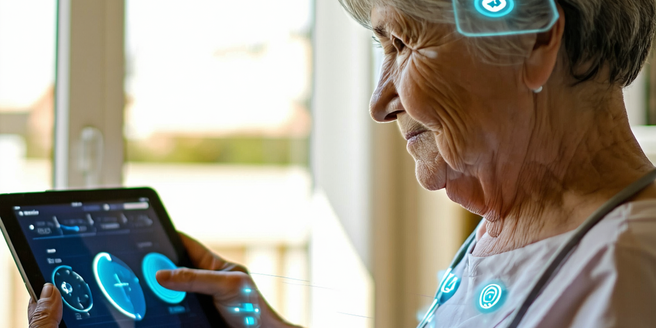
Wearable technology has drastically evolved over the past decade, shifting from simple fitness trackers to comprehensive health monitoring devices. Initially, devices focused on tracking steps and calories but have since advanced to monitor vital signs like heart rate, oxygen levels, and even ECGs. This progress is primarily due to the miniaturization of sensors and improvements in connectivity. Today, wearable tech is playing an increasingly significant role in preventative healthcare, providing real-time data to medical professionals and patients. Healthcare apps paired with wearables now offer personalized health insights and alerts. This enables earlier diagnosis and more effective treatment plans. Overall, the evolution of wearable tech in healthcare has paved the way for more informed health decisions and better patient outcomes.
Top Wearable Devices for Health Monitoring
The market for health monitoring wearables is expanding, with numerous devices catering to various health needs. Popular devices include smartwatches like the Apple Watch and Fitbit, which offer diverse health tracking features such as heart rate monitoring, ECG capabilities, and sleep tracking. Smart rings, such as the Oura Ring, provide a discreet alternative with advanced sleep and activity tracking features. Continuous glucose monitors, essential for diabetic patients, have also seen widespread adoption. Fitness bands continue to be popular for their affordability and basic health tracking features. Other innovations include smart clothing that incorporates sensors capable of tracking posture and activity. These wearable devices are used not only by health enthusiasts but also by patients managing chronic conditions, exemplifying their versatility and impact on personal health management.
How Wearable Tech Enhances Patient Care
Wearable tech is revolutionizing patient care by offering continuous, real-time health monitoring, enabling healthcare providers to access crucial health data remotely. Such devices empower patients with chronic illnesses, allowing them to track their conditions outside the traditional clinical setting. By sending real-time alerts, wearables help in early detection of potential health issues, reducing hospital readmissions and emergency visits. They facilitate better disease management through data-driven, personalized care plans, improving patient engagement and compliance. Some wearables can measure vital signs like heart rate, blood pressure, and even detect atrial fibrillation, thus enabling timely interventions. These advancements ensure that healthcare is more proactive, helping patients lead healthier lives while assisting clinicians in making informed decisions.
The Role of AI in Wearable Health Devices
Artificial Intelligence plays a pivotal role in enhancing the functionality of wearable health devices. AI algorithms process vast amounts of data collected by these devices, turning them into actionable health insights. For instance, AI can predict potential health issues by analyzing patterns and trends in the user’s data, offering early warnings for conditions like sleep apnea or heart irregularities. Machine learning models are employed to provide personalized recommendations, helping users make healthier lifestyle choices based on their habits and health metrics. Moreover, AI-powered voice assistants in wearables facilitate hands-free device interaction, streamlining the user experience. The integration of AI not only enhances the accuracy and reliability of health measurements but also broadens the scope of wearable technology’s impact on health monitoring.
Privacy Concerns with Health Monitoring Wearables
As wearable health devices collect sensitive personal data, privacy concerns have become a significant issue. These devices gather information such as heart rate, location, and even activity patterns, which might be exploited if not properly safeguarded. Unauthorized access to health data can lead to identity theft or misuse. Many users are concerned about how companies use and share their health information. It’s crucial for manufacturers to implement strong data encryption and privacy policies to protect users. Clear transparency is needed regarding data usage. Regulatory frameworks, like GDPR, help protect users’ rights to data privacy. Users are also advised to regularly update their devices and manage app permissions carefully. Ultimately, trust in wearable tech depends on robust privacy measures and user awareness.
Future Trends in Wearable Health Technology
The future of wearable health technology promises even more advanced and integrated solutions for health monitoring. Upcoming innovations include wearables equipped with more sophisticated sensors capable of detecting a wider range of health metrics, like hydration levels or blood alcohol content. The convergence of wearables with genomics and bioinformatics might lead to more personalized health management. We can expect greater integration with Internet of Things ecosystems, enabling seamless data exchange across multiple devices for comprehensive health insights. The development of energy-efficient devices could also lead to longer battery lives and more sustainable options. Soft, flexible materials are likely to be used to create devices that are comfortable for long-term wear. As technology advances, wearables will become even more crucial in managing personal and public health.