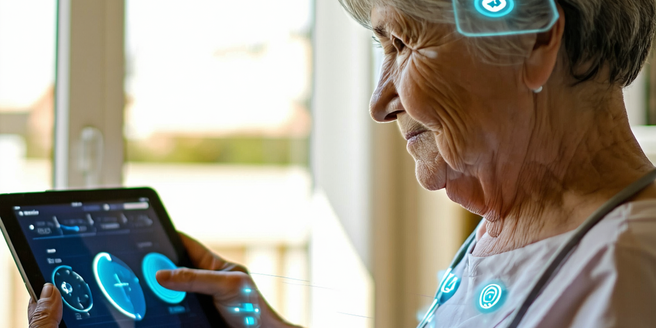
Mobile Health Tracking

The Rise of Mobile Health Apps

The proliferation of mobile health apps has fundamentally transformed healthcare delivery. With the convenience of smartphones, individuals now have immediate access to a plethora of health services and tools. These apps range from simple fitness trackers to complex systems monitoring chronic conditions. The accessibility and ease-of-use of these apps encourage proactive health management, allowing users to track their health metrics in real time. This shift has empowered users and shifted some of the responsibilities from healthcare providers to individuals. Moreover, health apps have increased health literacy, encouraging individuals to make informed decisions about their well-being. Overall, the rise of mobile health apps marks a pivotal shift towards patient-centered care, offering personalized wellness strategies that cater to the unique needs of each user.

Key Features of Health Tracking Applications

Health tracking applications are revolutionizing how individuals monitor their well-being. Key features of these apps include step counters, heart rate monitors, and calorie counters. They often integrate with wearable devices, offering real-time data synchronization. Personalized data insights and progress tracking motivate users to meet their health goals. These applications also provide reminders for medicines, appointments, and hydration, enhancing adherence to health routines. Furthermore, they facilitate seamless communication with healthcare providers through telehealth integration. Gamification and community support features offer a social aspect, promoting engagement and healthy competition. The user-friendly design ensures easy navigation, while customization options cater to individual preferences. Overall, the versatility and comprehensive nature of these apps make them an essential tool for modern health management.

Benefits of Monitoring Health via Mobile Devices

Monitoring health via mobile devices offers numerous benefits, fostering a proactive approach to wellness. Mobile health apps are equipped with various tools that allow users to track their physical activities, sleeping patterns, and dietary habits. This real-time data provision enables users to promptly identify any irregularities and take corrective measures. Empowerment through information is a critical advantage, giving users the ability to make informed health decisions. The convenience and accessibility of mobile devices ensure health management is just a tap away, fitting seamlessly into busy lifestyles. Additionally, by providing reminders and alerts, these apps help users adhere to medication schedules and other health regimens, reducing risks associated with neglect. Overall, mobile devices serve as an essential companion in managing personal health effectively and efficiently.

Challenges and Limitations of Mobile Health Tracking

Despite the numerous advantages, mobile health tracking does face significant challenges and limitations. One major issue is the variance in accuracy across different devices and apps. Users may receive inconsistent data, leading to confusion or misinformed health decisions. Additionally, not all individuals have access to the latest technology or reliable internet, creating a digital divide in health management. Another limitation is the overwhelming amount of data generated, which can be difficult for users to interpret without professional guidance. User engagement is also a concern, as maintaining consistent use of these apps over time can be challenging. Moreover, aligning app functionality with the diverse needs of users can be complex. Addressing these challenges is crucial for ensuring that mobile health tracking can effectively contribute to improved health outcomes.

Data Privacy Concerns in Health Apps

Data privacy is a growing concern in the realm of mobile health apps, as these tools often require access to sensitive personal and health information. Users are increasingly worried about how their data is stored, used, and shared with third parties. The potential for data breaches or unauthorized access poses significant risks, highlighting the need for robust security measures. Transparency about data policies and obtaining informed consent from users are critical steps in addressing privacy concerns. Furthermore, there is a pressing need for regulatory frameworks to govern data usage in health apps, ensuring user information is protected comprehensively. As users become more aware of their data rights, app developers must prioritize security to foster trust and encourage wider adoption of mobile health technologies.

Future Trends in Mobile Health Technology

The future of mobile health technology is poised for significant advancements, driven by innovation and the increasing integration of artificial intelligence. Emerging trends include enhanced data analytics capabilities, enabling more precise and personalized health insights. The expansion of telehealth services will facilitate more remote consultations, broadening access to healthcare professionals. Additionally, advancements in wearable technology will offer more comprehensive health monitoring, from advanced biometrics to mental health indicators. Moreover, we can anticipate growth in blockchain technology application to improve data security and transparency. As 5G technology becomes widespread, faster data transmission will enhance real-time health monitoring and telemedicine experiences. These trends suggest a future where mobile health technology is more interconnected, providing seamless, personalized, and secure health management solutions.