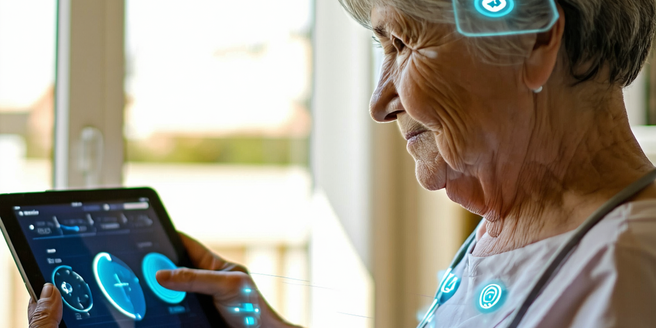
Home Hubs Managing Connected Devices

Understanding the Role of Home Hubs in Modern Homes

Home hubs serve as the central command centers in a modern smart home, enabling seamless management of all connected devices. Acting as a bridge, they integrate various smart gadgets such as lights, thermostats, and security systems into a single network, allowing users to control them through a unified interface. This consolidation not only streamlines everyday tasks but also enhances security and efficiency within the household. With a home hub, residents can schedule routines, receive notifications, and even monitor energy usage. The proliferation of smart home devices necessitates a robust and reliable hub to minimize complexity and maximize user convenience. As technology advances, the functionality of home hubs continually evolves, integrating artificial intelligence and machine learning to provide predictive and adaptive responses to the household’s needs.

How Home Hubs Streamline Device Connectivity

Home hubs enhance connectivity by coordinating communication among disparate devices. By functioning as a mediator, they translate various communication protocols, such as Zigbee, Z-Wave, and Wi-Fi, ensuring all devices in a smart home can effectively interact. This harmonization eliminates the frustration of compatibility issues, providing a smooth user experience. Home hubs also manage data traffic, prioritizing signals to ensure that critical commands are executed promptly without lag. Furthermore, they enable remote access, allowing homeowners to oversee their smart devices from anywhere in the world via smartphones or tablets. As a result, home hubs furnish a cohesive and responsive environment, eliminating the need for multiple apps or interfaces for device control and solidifying their role as integral components of the smart home ecosystem.

Choosing the Right Home Hub for Your Needs

Selecting an appropriate home hub depends on various factors, including the types of smart devices in use, budget considerations, and desired features. Some hubs prioritize compatibility with voice assistants like Alexa or Google Assistant, while others might excel in supporting a wider range of device brands. Budget-friendly options often provide basic functionalities, whereas premium hubs offer advanced features, such as integrated artificial intelligence for predictive automation. Additionally, it is crucial to consider the ease of setup and user interface quality, as these determine the accessibility and convenience of the hub’s operations. An ideal home hub should adapt to evolving technology trends, ensuring future compatibility and functionality expansion. Careful evaluation of these factors can help homeowners choose a hub that seamlessly aligns with their lifestyle and smart home aspirations.

Troubleshooting Common Connectivity Issues

Despite the advantages of home hubs, users may occasionally encounter connectivity issues, impacting the performance of their smart devices. Common problems include weak Wi-Fi signals, interference from other devices, and outdated software. To resolve these challenges, it is essential to ensure that the hub and connected devices are located within the optimal range of the router. Updating software and firmware regularly can mitigate compatibility and security issues, and alleviating network congestion by minimizing unused connections furthers stability. In some cases, upgrading to a more robust home hub or adding Wi-Fi extenders can enhance network coverage and device responsiveness. By understanding and addressing these potential hurdles, homeowners can maintain a smooth and efficient smart home ecosystem.

The Future of Smart Home Automation

The future of smart home automation is poised for tremendous growth, driven by advancements in artificial intelligence, machine learning, and the Internet of Things (IoT). Upcoming innovations include more intuitive home hubs capable of learning user habits and preferences to deliver personalized experiences. Enhanced voice recognition and natural language processing will further simplify user interactions, while advancements in interoperability standards will ensure seamless integration of new devices. As reliance on renewable energy sources increases, smart home systems will incorporate more sophisticated energy management features, optimizing consumption and boosting sustainability. Additionally, increased focus on data privacy and security will lead to improved protocols safeguarding user information. These developments underscore the continuing evolution of smart home automation, promising greater efficiency, convenience, and personalization for tech-savvy households in the years ahead.