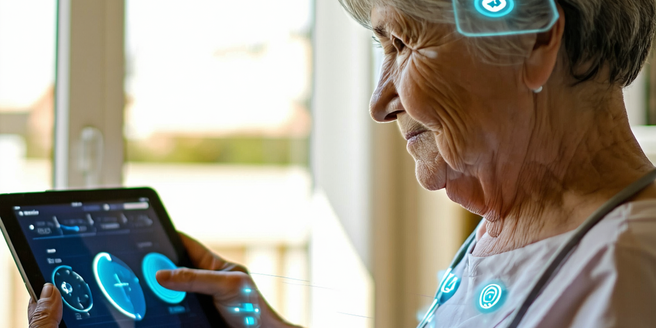
Wearable Health Monitors

The Evolution of Wearable Health Technology
Wearable health technology has undergone significant transformation. Initially, these devices were merely simple pedometers counting steps. However, the introduction of smart sensors and connectivity options enabled a leap forward. Today’s wearable technology can monitor various physiological metrics, like heart rate, sleep patterns, and activity levels, thanks to advancements in sensor technology. The integration of GPS has also allowed for tracking movement, making these devices indispensable for fitness enthusiasts. Furthermore, with the emergence of AI and machine learning, wearables are now capable of offering personalized health insights, making them not just passive data collectors but active partners in health management. As technology continues to evolve, we see the promising potential in wearable health tech to become a key player in personalized healthcare and preventive medicine.
Key Features of Modern Wearable Health Monitors
Modern wearable health monitors are designed with a host of features that prioritize both functionality and user convenience. At the core, they are equipped with various sensors capable of tracking metrics such as heart rate, blood oxygen levels, and even electrocardiograms (ECGs). These features provide users with real-time health data and insights into their overall wellness. Additionally, sleek designs ensure wearability throughout the day without compromising style. Compatibility with smartphones via Bluetooth allows for seamless data sync, making it easier for users to monitor their progress through apps. Moreover, smart notifications enable users to receive alerts for irregular health patterns, ensuring they take timely action. Long battery life and water resistance further enhance usability, making these devices reliable companions in both daily life and during rigorous physical activities.
Benefits of Using Wearable Health Devices
Wearable health devices offer numerous benefits that can enhance an individual’s overall well-being. First and foremost, they provide users with real-time access to vital health metrics, allowing for more informed health decisions. This constant monitoring can aid in the early detection of potential health issues, thus enabling timely intervention. Additionally, with features like activity tracking, users can set and achieve fitness goals, resulting in improved physical health. The convenience of having this data at one’s fingertips also encourages users to maintain an active lifestyle. Stress management is another benefit, as some wearables come equipped with breathing exercises and stress level monitoring. Furthermore, the data collected can be easily shared with healthcare providers, facilitating better communication and care planning. Ultimately, wearables empower users to take charge of their health proactively.
Challenges and Limitations of Wearable Tech
While wearable health technology offers numerous advantages, it is not without its challenges and limitations. One primary concern is the accuracy of data. Despite technological advances, wearables may still provide inaccurate readings due to issues such as improper positioning on the body. Another challenge is data privacy. With sensitive health data being collected and transmitted, users are concerned about how their information is stored and who has access to it. Battery life poses a limitation as well; frequent recharging may deter continuous use, especially during critical times. Additionally, the high cost of advanced devices limits access for some users. There’s also the issue of integrating data from multiple wearables into a cohesive health monitoring system. Despite these challenges, research and development efforts continue to enhance accuracy, affordability, and security in wearable technology.
The Future of Wearable Health Monitoring
The future of wearable health monitoring looks promising, driven by rapid technological advancements and increased awareness of personal health. Emerging technologies like flexible sensors, smart fabrics, and bio-integrated devices are paving the way for more sophisticated wearables. We expect these innovations to provide more comprehensive health data with improved accuracy. The integration of artificial intelligence will offer personalized insights and predictive analytics, helping users to forecast and manage potential health issues proactively. As the industry moves forward, interoperability between devices and healthcare systems will become paramount, ensuring that seamless data sharing enriches medical diagnosis and treatment plans. Additionally, as costs decrease, wearable devices will become more accessible to a broader audience, democratizing health monitoring and management. Ultimately, wearables are set to play an integral role in the preventive healthcare landscape.