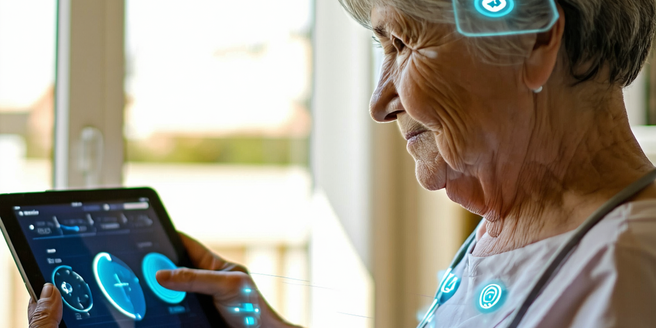
Health Monitoring Gadgets

Introduction to Health Monitoring Gadgets
Health monitoring gadgets have revolutionized personal healthcare management. With an ever-growing array of devices, individuals can now track vital signs such as heart rate, sleep patterns, and physical activity levels in real-time. These gadgets have become essential tools for those aiming to maintain a healthy lifestyle or manage specific health conditions. As technology advances, these devices become more sophisticated, offering improved accuracy and a broader range of functionalities. From smartwatches to fitness bands, health monitoring gadgets provide users with valuable insights into their overall wellbeing and empower them to make informed health decisions. Whether for personal use or in professional healthcare settings, these gadgets represent a significant shift away from traditional health monitoring methods, embracing a more proactive and data-informed approach to health management.
Top Benefits of Using Health Trackers
Utilizing health trackers offers numerous benefits, making them a popular choice for those keen on monitoring their fitness and wellbeing. These gadgets facilitate goal setting and provide real-time feedback on progress, enhancing motivation. By offering insights into daily activity levels, sleep patterns, and heart rate, users gain a comprehensive understanding of their health, identifying areas for improvement. Moreover, some trackers have built-in features for stress management, enabling users to monitor their mental health. Their ability to sync with smartphones and apps ensures seamless data analysis and personalized health reports. Additionally, health trackers encourage routine, fostering consistency in workouts and wellness practices. With the capacity to share data with healthcare providers, they play a pivotal role in personalized medicine, allowing for tailored health strategies and interventions, ultimately promoting a proactive approach to health management.
How Wearable Technology is Transforming Fitness
Wearable technology is significantly transforming fitness by providing users with interactive and personalized workout experiences. These gadgets track real-time data, such as calories burned, steps taken, and heart rate, allowing individuals to tailor their fitness routines effectively. By offering personalized insights, wearables enable users to optimize their exercise intensity and track progress over time. Integration with fitness apps enhances the user experience by providing customized workout plans and motivation through goal-setting features. Advanced wearables even include features like GPS tracking for outdoor activities, enabling accurate distance and pace measurement. With the advent of wearable technology, fitness enthusiasts can engage in smarter, data-driven workouts, promoting improved performance and health outcomes. The constant feedback and increased awareness fostered by these devices empower individuals to make informed fitness decisions, ultimately transforming their approach to personal fitness.
Popular Health Monitoring Devices You Should Know About
In recent years, the market has seen a surge in popular health monitoring devices designed to cater to various needs. Among the well-known gadgets are smartwatches and fitness trackers, which monitor vital signs such as heart rate and activity levels, along with sleep patterns. Devices like the Fitbit and Apple Watch have become household names, renowned for their ease of use and seamless integration with smartphones. Another category gaining traction is wearable ECG monitors, which aid in tracking heart health. Digital blood pressure monitors and smart scales also provide users with immediate insights into their health metrics at home. These devices are complemented by mobile applications that offer detailed health reports and allow data sharing with healthcare professionals. The convenience and accessibility of these devices highlight their importance in the modern approach to monitoring personal health and wellness.
Choosing the Right Gadget for Your Health Needs
Selecting the right health monitoring gadget involves understanding your personal health goals and preferences. Begin by assessing which health metrics are most important to you—be it heart rate monitoring, step counting, sleep tracking, or other specific health indicators. Evaluate the device’s accuracy, user-friendliness, and compatibility with your current technology ecosystem, such as smartphones and health apps. Consider the analytics and insights the gadget offers; effective data processing can enhance your health management strategy. It’s also crucial to factor in comfort and design, as wearables should integrate seamlessly into your daily routine. Additionally, review product warranties and customer service options as part of the decision-making process. By carefully considering these elements, you can choose a health monitoring gadget that aligns well with your health needs and lifestyle, maximizing the benefits of technology in maintaining your wellbeing.
Future Innovations in Health Monitoring Tech
The future of health monitoring technology promises exciting innovations poised to further transform healthcare and personal wellness. Emerging trends include the advancement of AI-driven analytics, enabling more precise and predictive health insights. The integration of biosensors in wearables will improve the continuous monitoring of physiological parameters, providing greater accuracy in health assessments. The rise of non-invasive glucose monitoring could revolutionize diabetes management. Furthermore, the development of smart clothing, equipped with embedded sensors, promises to extend health monitoring beyond traditional wearables, offering insights during various activities. Virtual reality integration may enhance mental health applications, connecting users with interactive wellness programs. As connectivity improves, the Internet of Medical Things (IoMT) will allow seamless data sharing across devices and platforms. These innovations indicate a promising trajectory towards a more proactive, personalized, and comprehensive approach to health monitoring.