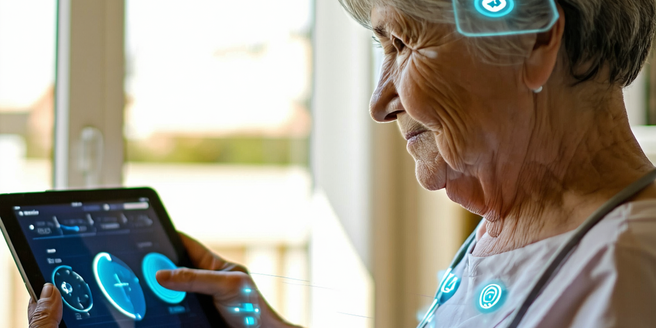
Smartphone Health Applications

The Rise of Wellness Apps in Everyday Life

The proliferation of smartphones has led to the rapid integration of wellness apps into our everyday routines. These applications offer users the convenience of monitoring their health metrics, such as physical activity, sleep patterns, and even mental wellness, all from the comfort of their handheld devices. Wellness apps have evolved to cater to a range of needs, from simple step counters to sophisticated mental health tools. By providing users with personalized insights and recommendations, these apps encourage healthier lifestyle choices and promote self-awareness. The accessibility and ease of use make them appealing to a broad audience, contributing to their rise in popularity. As technology continues to advance, wellness apps are expected to integrate even more seamlessly into our lives, offering new features that further support our health and well-being.

Top Features to Look for in Health Apps

When choosing a health app, it’s essential to consider the features that will best support your wellness goals. A user-friendly interface is crucial, ensuring ease of navigation and accessibility for users of all ages. Personalization options allow the app to cater to individual needs, offering customized insights and recommendations. Integration with wearable devices can enhance data accuracy, providing a more comprehensive overview of your health metrics. Additionally, reliable tracking features that monitor physical activity, nutrition, and sleep patterns are fundamental. Some advanced health apps also incorporate telemedicine features, connecting users directly with healthcare professionals for virtual consultations. Data security is another critical consideration, ensuring that sensitive health information remains protected. These features collectively enhance the app’s effectiveness in supporting users on their journey toward better health.

How Health Apps Are Revolutionizing Patient Care

Health apps are at the forefront of transforming patient care by offering unprecedented access to health information and services. These apps provide patients with real-time monitoring of vital signs, enabling proactive management of chronic conditions and facilitating early detection of potential health issues. By harnessing the power of data analytics, health apps deliver personalized insights that empower patients to take charge of their wellbeing. Additionally, they facilitate seamless communication between patients and healthcare providers through secure messaging and virtual consultations. This connectivity enhances patient engagement and adherence to treatment plans. Health apps also support remote patient monitoring, reducing the need for frequent in-person visits and lowering healthcare costs. As technology continues to evolve, these applications are set to play an increasingly integral role in the delivery of personalized and efficient patient care.

Privacy Concerns and Data Security in Health Apps

With the growing reliance on health apps, concerns surrounding privacy and data security have taken center stage. Users entrust these applications with sensitive personal information, including health records and daily activity data, making it crucial for app developers to prioritize robust security measures. Encryption of data, both at rest and in transit, is a fundamental requirement to safeguard user information from unauthorized access. Users should also be informed about data collection practices and consent to how their data is used. Transparency in privacy policies is essential for building trust. Additionally, health apps should offer users control over their data, allowing them to decide what information is shared and with whom. As these applications become more prevalent, stringent security protocols will be imperative in protecting user privacy and ensuring the safe usage of health apps.

Future Trends in Smartphone Health Technology

The future of smartphone health technology is marked by the integration of emerging technologies such as artificial intelligence and machine learning. These advancements promise to enhance the capabilities of health apps, allowing for more accurate predictions and personalized health insights. The use of AI-driven algorithms can revolutionize diagnostic processes, potentially identifying health issues before symptoms arise. Augmented reality and virtual reality are also set to play a role, providing immersive health education and training experiences. Another trend is the expansion of telehealth services, making healthcare more accessible to remote locations. Furthermore, as 5G technology spreads, the increased bandwidth and reduced latency will improve the performance of health apps, enabling real-time data processing and connectivity. As we look to the future, these innovations will continue to drive the evolution of health applications, ultimately improving health outcomes worldwide.