Face Unlock Technology
Introduction to Face Unlock Technology
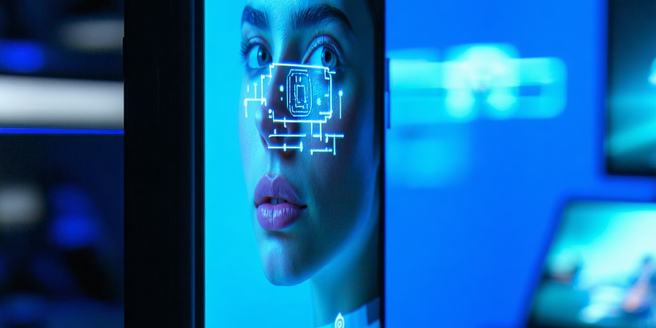
Face unlock technology is a rapidly advancing field that has captured the interest of tech enthusiasts and security experts alike. By utilizing biometric software to verify the identity of a person, this technology offers a seamless way to unlock devices without the need for passwords or patterns. With the increasing reliance on smartphones and other personal devices, face unlock provides a convenient and efficient method for secure access. As cameras and sensors become more advanced, the reliability and speed of facial recognition continue to improve, further cementing its place in our daily lives. This introduction provides a glimpse into how face unlock technology has become an integral part of modern device security.
How Face Unlock Technology Works
Face unlock technology employs a combination of hardware and software to accurately determine the identity of a user. Various sensors capture the user’s facial features, including distance between eyes, nose shape, and facial contours, and convert these into a unique mathematical representation. This data is compared to the stored facial template for authentication. Modern systems use infrared cameras to detect depth and differentiate between a real face and a photograph, enhancing security measures. The software algorithms are constantly learning and adapting, making them more proficient in handling different lighting conditions and face angles. Thus, when the correct image is detected, the software grants access, ensuring a quick and secure unlocking process.
Benefits of Using Face Unlock
Face unlock technology offers several significant benefits that make it an attractive option for securing devices. One of the most evident advantages is convenience; users can unlock their devices with just a glance, without needing to remember and enter a PIN or password. This saves time and minimizes frustration in daily use. Additionally, this method enhances security as it reduces the likelihood of unauthorized access through stolen or easily guessed credentials. Since each individual has distinct facial features, using one’s face as the key provides a personalized security measure. The non-intrusive nature of face unlock further adds to its appeal, seamlessly integrating into modern life without disrupting user habits.
Potential Security Concerns
Despite its ease of use, face unlock technology does raise potential security concerns. One issue is the possible vulnerability to spoofing techniques, where an unauthorized person may attempt to gain access using photos or 3D models of a legitimate user’s face. Although newer systems employ advanced techniques such as depth sensing to counteract these threats, there is still a risk. Privacy is another concern, as facial data could potentially be misused by corporations or third parties, highlighting the need for robust data protection measures. Users must also consider scenarios where legitimate access may be denied due to changes in appearance, such as growing a beard or wearing makeup, affecting the technology’s reliability.
Comparing Face Unlock Across Devices
When comparing face unlock technology across different devices, it’s clear that not all implementations are created equally. Variations in camera quality, processing power, and algorithm efficiency impact the speed and accuracy of face recognition, leading to diverse user experiences. Devices like high-end smartphones tend to implement sophisticated systems with infrared technology and machine learning capabilities, offering superior reliability and security features. In contrast, budget models might rely on less advanced cameras, which can lead to slower recognition times and increased chances of error. It’s essential for consumers to understand these differences when choosing a device to ensure it meets their expectations for security and convenience.
Future Developments in Face Recognition
The future of face recognition technology promises to enhance its functionality and security even further. Researchers are exploring the integration of artificial intelligence to enhance accuracy and quicker authentication, even in challenging conditions like low light or during motion. Advanced machine learning models aim to reduce false positives and negatives, providing an improved user experience. As technology evolves, incorporating facial recognition in various industries like banking and healthcare could revolutionize practices, adding layers of security and streamlining processes. The focus on ethical usage and privacy protection will be paramount as society contends with the implications of widespread deployment of this cutting-edge technology.