Ai Personal Assistants
Understanding AI Personal Assistants
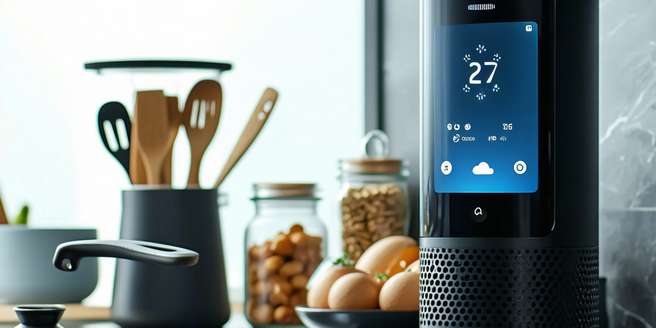
AI personal assistants, like Siri and Google Assistant, are revolutionizing how we interact with technology. These digital helpers are powered by advanced algorithms and natural language processing, enabling them to understand and respond to user queries effectively. They can manage schedules, answer questions, and even control smart home devices. Understanding the architecture behind AI assistants requires grasping how machine learning models are trained to recognize patterns and improve over time. These assistants rely on vast amounts of data to offer personalized experiences, adapting to user preferences and behaviors. As AI technology advances, these assistants are becoming more intuitive, providing a seamless integration into everyday life. Their development marks a shift in how we interact with technology, making it more accessible and engaging for users.
How AI Enhances Productivity
AI has transformed productivity in the modern workspace by automating mundane tasks and offering smart solutions. AI personal assistants manage calendars, set reminders, draft emails, and even conduct data analysis, freeing up employees to focus on more strategic tasks. Their ability to process and analyze large volumes of information quickly makes decision-making faster and more data-driven. Enhanced voice recognition and language processing allow AI assistants to provide quick answers and facilitate communication. AI also helps in streamlining workflows by integrating with various software applications, ensuring tasks are completed efficiently. By personalizing recommendations, AI maximizes the potential of human resources, leading to more efficient and productive work environments. As AI technology continues to evolve, its role in enhancing productivity is set to expand further, offering even more innovative solutions.
Key Features of Modern AI Assistants
Modern AI assistants boast several features that make them indispensable tools in today’s tech-savvy world. Voice recognition and natural language processing are at the core, enabling hands-free operation and intuitive interactions. These assistants learn from user interactions, offering personalized suggestions and gaining insights into preferences. Integration capabilities allow them to connect with various apps and devices, creating a cohesive digital ecosystem. Advanced AI assistants are equipped with contextual understanding, allowing them to remember past interactions and offer continuity in conversations. Predictive text, multilingual support, and proactive reminders are among their impressive features. Security measures, such as biometric authentication and data encryption, are also enhanced in modern AI assistants, ensuring user data remains private. The continual development of these features shows the potential for AI to further integrate into daily routines, enhancing the quality of life.
Privacy and Security in AI Assistants
Privacy and security are paramount in the design of AI personal assistants, as they handle sensitive and personal information. Modern AI assistants implement strong authentication methods, such as voice recognition, fingerprints, and facial recognition, to prevent unauthorized access. Data encryption is crucial in safeguarding the exchange of information between the device and various services. Manufacturers are constantly updating software to patch vulnerabilities and address security threats. Transparency about data collection practices is increasingly demanded by users, with options for anonymization and control over data sharing. Privacy settings allow users to manage permissions effectively, giving them greater control over their information. Additionally, compliance with international data protection regulations, such as GDPR, ensures that these AI systems meet stringent legal standards. These measures aim to maintain user trust and provide secure, reliable assistance.
The Future of AI in Personal Assistance
The future of AI in personal assistance is promising, with advancements in technology shaping more intelligent and capable systems. We can expect AI assistants to possess greater contextual awareness, improving their ability to interact naturally with humans. The integration of AI with augmented reality and IoT devices will create smarter home environments, where assistants manage and optimize energy use and enhance security systems. In healthcare, AI assistants could monitor health metrics and offer personalized wellness advice. Language barriers will diminish as multilingual capabilities enhance global communication. AI ethics and regulation will play a crucial role as these systems become more autonomous, ensuring responsible development and deployment. The future holds a potential for AI assistants to become even more ingrained in daily life, creating a world where technology is seamlessly interwoven with human activity, making tasks easier and enriching experiences.