Ai In Creative Industries
The Role of AI in Art and Design
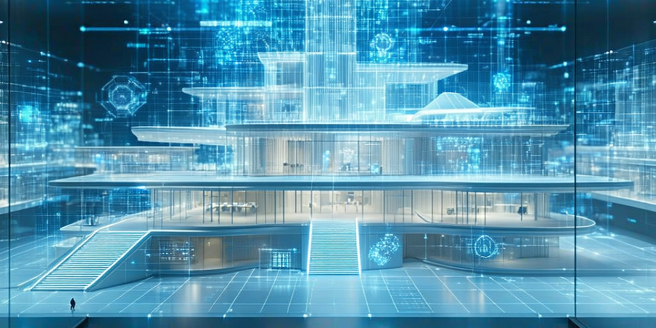
AI is transforming the landscape of art and design by providing innovative tools that amplify the creative process. Artists leverage machine learning algorithms to generate new art forms, explore artistic styles, and automate repetitive tasks. Designers use AI to iterate on design patterns quickly, allowing for rapid prototyping and design experimentation. AI also assists in analyzing data trends to inform design choices, making the process more efficient. The potential for AI to create unique art pieces and contribute to collaborative efforts between humans and machines is ever-evolving, opening up new creative possibilities and reshaping traditional roles. As AI tools become more sophisticated, the balance between machine generation and human creativity is being constantly redefined, fostering an era of enhanced artistic expression.
AI Innovations in Music Production
Artificial intelligence is revolutionizing music production by providing tools that enhance creativity and efficiency. Producers use AI algorithms to analyze musical elements, compose melodies, and even create entire compositions. AI-powered software can suggest chord progressions or remix tracks, offering new approaches to music creation. This technology allows artists to experiment with different styles and genres, breaking traditional boundaries. AI also aids in sound design and mastering, optimizing audio quality with precision. Furthermore, AI can predict trends in music preferences, guiding producers towards creating hits. By automating certain tasks, musicians can focus more on the artistic aspects of their work. Despite debates on originality, AI’s role in music is undeniable, offering a fresh, innovative dimension to the industry.
Transforming Film and Animation with AI
AI is leading a technological revolution in film and animation, driving innovation in storytelling and production practices. In visual effects, AI algorithms can recreate realistic details, automate labor-intensive tasks, and enhance CGI creations. Filmmakers utilize AI technology to storyboard sequences, optimize camera angles, and even generate scripts. Animation studios apply AI to streamline rendering processes and bring characters to life more efficiently. With deep learning models, AI systems are capable of generating animated characters exhibiting realistic motions and expressions. This synergy between AI and human creativity allows for the production of groundbreaking narratives that captivate audiences. As AI continues to evolve, its role in film will become increasingly prominent, offering unprecedented creative opportunities in both mainstream cinema and independent projects.
AI’s Impact on Writing and Publishing
Artificial intelligence is reshaping the writing and publishing industries by streamlining processes and offering new creative possibilities. AI tools assist writers in generating content, editing text, and providing real-time feedback on style, grammar, and structure. For publishers, AI can automate layout designs and optimize distribution channels, improving operational efficiency. Machine learning algorithms also analyze reader data to tailor content, predicting audience preferences and trends. However, the integration of AI presents challenges related to originality and authorial voice. While AI-generated content sparks debates on creative authorship, the technology provides invaluable support as a tool rather than a replacement. As collaboration between AI and human writers deepens, the industry stands on the cusp of a transformative era, where technology enhances creativity and engagement.
Future Trends of AI in Creative Fields
The intersection of artificial intelligence and creativity is poised to evolve with groundbreaking changes across various disciplines. In the future, AI will continue to advance, with even more intuitive tools emerging to support artistic endeavors. Improvements in machine learning will enhance the capability of AI to understand subtleties of human creativity, offering personalized creative assistants. Artists and creators will increasingly collaborate with AI to push the boundaries of conventional art forms. Furthermore, AI’s ability to process and interpret vast datasets will drive innovation in trend prediction and audience engagement strategies. These advancements herald an era where the synergy between AI and human imagination catalyzes unprecedented levels of creativity. As we look forward, ethical considerations and responsible AI use will play a pivotal role in shaping the future landscape of creative industries.