Ai Assistants For Scheduling
Understanding AI in Scheduling Assistants
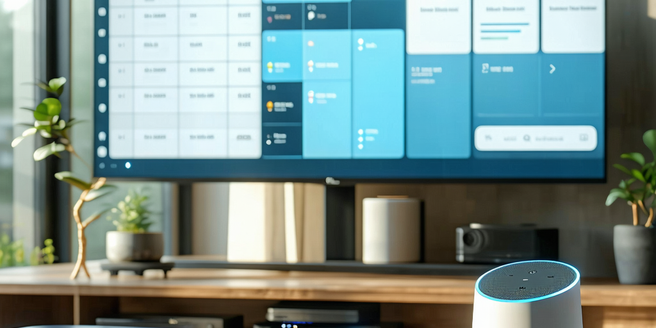
Artificial Intelligence has revolutionized how we handle daily scheduling tasks. By leveraging machine learning algorithms, AI scheduling assistants can efficiently process large volumes of data, learning patterns in behavior and preferences. This technology can automate calendar management tasks such as setting appointments, sending reminders, and even adjusting schedules based on real-time availability. Users can focus on higher-priority tasks while AI takes care of repetitive scheduling duties. Furthermore, the ability to learn from interactions means that these assistants become more effective and personalized over time. The key to their efficiency lies in understanding natural language, meaning users can communicate in plain English, making technology interaction more intuitive. As technology advances, AI assistants are expected to grow increasingly adept at predicting and accommodating user needs.
Key Features of AI Scheduling Tools
AI scheduling tools offer a range of features that streamline calendar management and improve productivity. One of the primary benefits is the automation of routine tasks, such as scheduling meetings, sending reminders, and adjusting timings based on participants’ availability. These tools often integrate with popular calendar applications, providing a seamless user experience. Natural Language Processing (NLP) is a fundamental feature, allowing users to communicate with these assistants as if they were real human schedulers. Furthermore, advanced features like predictive analytics can offer suggestions based on historical data and user preferences, optimizing scheduling decisions. By eliminating manual scheduling errors and reducing the back-and-forth communication normally involved in arranging meetings, AI scheduling tools save users significant time, allowing them to focus on more strategic activities.
Benefits of Using AI for Calendar Management
Utilizing AI for calendar management presents numerous benefits, enhancing both efficiency and productivity. One of the primary advantages is the reduction of time spent on manual scheduling tasks, allowing users to allocate their time to other priorities. AI brings automation and intelligence, optimizing meeting schedules without the hassle of conflicts or overlaps. These solutions often provide insights and analytics, enabling better decision-making by understanding patterns in scheduling habits. This proactive approach not only minimizes human error but also personalizes experiences, learning from past interactions to improve future scheduling tasks. Furthermore, with the ability to sync with other applications, AI can offer a consolidated view of tasks and availability, making comprehensive and cohesive calendar management seamless and effortless.
Popular AI Scheduling Assistants on the Market
There are several popular AI scheduling assistants available, each catering to varying user needs. Services like x.ai and Clara are renowned for their natural language processing abilities and seamless integration with email and calendar platforms. Google’s AI-powered assistant, part of Google Calendar, uses data to optimize event suggestions and adjust schedules based on real-time changes. Other notable mentions include Microsoft’s Cortana, which not only schedules events but also assists with personal productivity tasks. Each of these tools excels in different realms, whether it’s in-depth analytics, multi-platform integration, or advanced AI-driven recommendations. Users can choose based on specific needs such as ease of use, integration capabilities, or particular features they value most, further enhancing their scheduling efficiency.
Integrating AI Assistants with Existing Tools
Integrating AI assistants with existing tools can greatly enhance productivity and streamline workflow. Most AI scheduling solutions are designed to work seamlessly with popular email clients and calendar applications like Google Calendar, Microsoft Outlook, and Apple Calendar. Integration capabilities mean that users can continue using their preferred platforms without disruption while benefiting from the added efficiency brought by AI. This adaptability ensures a minimal learning curve and maintains a unified experience as users manage their schedules. Furthermore, many assistants offer APIs, allowing developers to customize and connect AI capabilities to specific business applications. This fosters a more personalized approach, where AI-driven insights directly serve the user’s workflow requirements, thus enriching the overall digital ecosystem within which the user operates.
Future Trends in AI Scheduling Technology
The future of AI scheduling technology is poised for exciting advancements, driven by continued developments in machine learning and artificial intelligence. We can anticipate more sophisticated predictive analytics, where AI not only suggests time slots but takes into account deeper insights like attendee energy levels and optimal productivity periods. Another trend is hyper-personalization, with assistants anticipating user needs based on a comprehensive understanding of their work habits and preferences. Additionally, emerging technologies such as IoT and voice recognition are expected to become more prevalent, making AI scheduling assistants more accessible and hands-free. The advancement in natural language understanding will further refine interactions, allowing users to communicate in more nuanced ways. These trends will likely lead to an ecosystem where AI scheduling becomes an indispensable part of daily life, offering continuously improved efficiencies.