Sound Quality Improvements
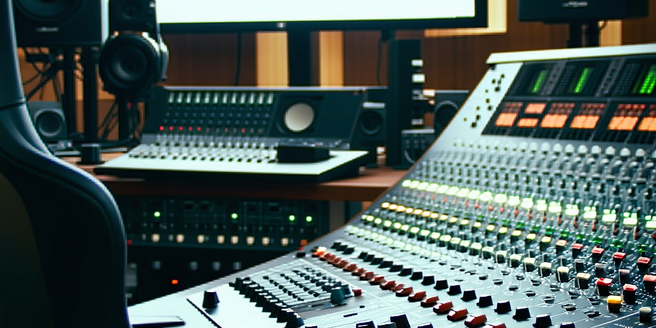
Understanding Audio Fidelity Basics
Audio fidelity refers to the accuracy of the sound reproduction by a particular device. It’s essential for achieving a pure listening experience where every nuance of the sound is captured just as it was recorded. Understanding the basics of audio fidelity involves familiarizing oneself with key concepts such as frequency response, total harmonic distortion, and signal-to-noise ratio. Frequency response is crucial as it indicates the range of frequencies a device can reproduce effectively. Total harmonic distortion measures any alterations to the audio signal, while the signal-to-noise ratio quantifies the level of desired sound to background noise. Grasping these aspects is vital for anyone looking to improve their audio experience. High-fidelity audio typically requires more sophisticated and sometimes more expensive equipment, but the reward is a cleaner, crisper, and more dynamic sound.
Top Devices for Enhanced Sound Quality
When it comes to elevating your auditory experience, investing in top-notch sound devices is crucial. High-quality headphones, speakers, and amplifiers are instrumental in delivering superior sound. Brands like Bose, Sennheiser, and Sony offer premium headphones with features such as noise cancellation and wide frequency response for a pristine listening experience. High-fidelity speakers, like those from Klipsch or KEF, ensure every musical detail is captured accurately, thanks to their advanced driver technology and build quality. Amplifiers play a critical role in processing sound, and brands like Marantz and Denon offer models that enhance audio clarity and richness. Additionally, digital-to-analog converters (DACs) are essential devices that convert digital audio signals into analog, resulting in improved sound resolution and texture. Selecting the right gear is a gateway to experiencing sound as it was meant to be heard.
Breaking Down Noise Cancellation Technologies
Noise cancellation technologies have revolutionized the way we experience sound, particularly in noisy environments. Active Noise Cancellation (ANC) is one of the most popular technologies used in headphones today. It works by using microphones to pick up external sounds and then producing opposing sound waves to cancel them out. This process creates a quieter environment that allows music or audio to come through more clearly. On the other hand, Passive Noise Isolation focuses on physically blocking external sound through the design and materials of the headphones. This is typically achieved with cushioning and seal that fits snugly over the ears. Both technologies aim to enhance audio playback by reducing ambient sounds, thus allowing for a purer listening experience. As this technology continues to evolve, more sophisticated systems like adaptive noise cancellation are emerging, providing even better performance.
Room Acoustics and Their Impact on Sound
Room acoustics play a significant role in the quality of sound you experience, especially in home theater setups and recording studios. The way sound waves interact with the physical environment can enhance or detract from auditory experiences. Factors such as room dimensions, furniture placement, and materials used in construction can all influence acoustics. Hard surfaces like glass and concrete can cause sound reflections, while soft materials like curtains and carpets can absorb sound, reducing echoes. It’s important to consider the balance of these elements to achieve optimal sound quality. Acoustic treatments, such as diffusers and absorbers, are often employed to manage sound reflections and reverberations within a space. Understanding and adjusting your room’s acoustics can significantly enhance your listening experience, making it more immersive and balanced by allowing sound to flourish naturally without interference.
Tips for Choosing Quality Audio Equipment
Choosing high-quality audio equipment involves understanding your own sound preferences and the technical specifications that fulfill them. Start by identifying the purpose – whether it’s for casual listening, professional production, or home theater use. Pay attention to the specifications like frequency response, impedance, and sensitivity in headphones or speaker outputs. The materials and build also dictate performance and durability. Trying out equipment before purchasing can offer valuable insights into comfort and audio quality. Reviews and recommendations from experts or audiophiles can guide you, highlighting the best brands and models within your budget. Consider the equipment’s compatibility with your existing devices to avoid any connectivity issues. Don’t overlook the importance of accessories such as cables and stands, as these also impact the final sound output. Ultimately, carefully chosen equipment can offer a flawless blend of clarity, depth, and authenticity in sound.
Importance of Regular Equipment Maintenance
Maintaining audio equipment regularly is essential for preserving its performance and longevity. Regular checks and cleaning can prevent common issues like crackling sounds and degradation of sound quality. Dust and debris are the main culprits in damaging electronics, so keeping gear clean is crucial. Spend time to inspect cables and connections for any signs of wear or damage, as these can impede audio transmission. Proper storage is equally important; ensure your equipment is kept in a dry and cool environment to prevent environmental damage. Regular software updates for digital devices like DACs or amplifiers can also improve functionality and resolve persistent bugs. Enlisting professional services for tuning and calibration can enhance audio performance. By committing to routine maintenance, you ensure that your audio equipment remains in optimal working condition, allowing you to enjoy flawless sound for years.