
Mobile Health Tracking
The rise of mobile health apps has revolutionized healthcare delivery by providing individuals with immediate access to a wide range of health services and tools through smartphones. These apps, ranging from fitness trackers to systems for monitoring chronic conditions, empower users by promoting proactive health management and increasing health literacy. Key features of health tracking applications include real-time data integration with wearable devices, personalized progress tracking, and reminders for medications and appointments, all of which facilitate communication with healthcare providers and support health routines. Despite their benefits, such as improved health management and convenience, mobile health apps face challenges like data accuracy, user engagement, and the digital divide. Data privacy is a significant concern, necessitating robust security measures and regulatory frameworks to protect user information. As the industry evolves, addressing these challenges and enhancing privacy protections will be critical to ensuring the effective and secure utilization of mobile health technologies. This trend underscores a broader shift towards patient-centered and personalized care.

Remote Coordination Software Analysis
Remote coordination software is essential in today's distributed work environment, enabling businesses to efficiently transition to hybrid or fully remote models. These platforms facilitate seamless communication and task management, offering features like chat functions, video conferencing, file sharing, and project management. To make the most of these tools, it's crucial for organizations to assess their team's specific needs and choose software that enhances collaboration. When selecting remote coordination software, consider features that support team connectivity, task management, security, and scalability. Comparing top options such as Slack, Microsoft Teams, and Asana involves evaluating features, pricing, and user experiences to align with organizational goals. Effective remote coordination tools foster productivity, increase job satisfaction, reduce costs, and enhance organizational agility. However, businesses must also address challenges like miscommunication and data security by prioritizing communication protocols and implementing robust security measures. Overall, optimizing remote coordination can lead to a supportive and efficient work culture for modern businesses.
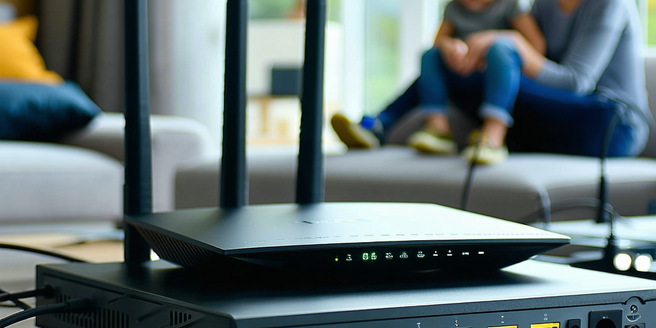
Strengthening Network Infrastructure At Home
Understanding your home network setup involves knowing the roles of your modem, router, and connected devices. Proper configuration and maintenance, such as router firmware updates and secure settings, ensure a seamless and safe internet experience. Selecting the right networking equipment is vital; consider your internet speed, home size, and device needs. Advanced routers and Wi-Fi 6 support enhance connectivity. Optimizing Wi-Fi coverage involves strategic router placement and configuration adjustments, while implementing mesh systems can aid large homes. Network security is crucial; change default credentials, use WPA3 encryption, and monitor the network for threats. Lastly, regular monitoring and maintenance, including firmware updates and bandwidth management, ensure consistent network performance and security.

Feature-rich Laptops For Virtual Meetings
For optimal virtual meeting experiences, select a laptop emphasizing key features: a high-definition camera for clear visuals, and a quality microphone to minimize noise. Ensure it has ample RAM and a powerful processor to avoid lag. Long battery life is crucial, especially for extended meetings, while a lightweight design enhances portability. Wi-Fi 6 support ensures fast internet connectivity, and multiple ports like USB-C and HDMI increase functionality. Top laptops for video conferencing feature excellent graphics, advanced audio systems, solid-state drives for swift access, large screens for visibility, reliable build, efficient cooling, and abundant ports for external device connectivity. Battery life over eight hours is essential for uninterrupted meetings, allowing for flexible locations without the stress of power availability. For superior audio and video, prioritize high-resolution webcams, external microphones, and proper settings configuration. Portability is vital for traveling professionals, balancing lightness with power and essential ports. A durable build and appropriate screen size complete the ideal virtual meeting laptop.

Mobile Device Management Tools
Mobile Device Management (MDM) is vital for optimizing and securing mobile devices within organizations, safeguarding the corporate network. MDM enables device control, application management, and data protection, streamlining operations and enhancing security. Key MDM features include device tracking, application management, data security, and compliance monitoring, which collectively ensure device compliance and protect sensitive data. Leading MDM tools in 2023, like Microsoft Intune and VMware Workspace ONE, offer comprehensive features for enhanced organizational security and efficiency. However, MDM solutions also face challenges such as managing diverse devices and ensuring privacy. Future MDM trends are expected to leverage AI and machine learning for advanced solutions.

Future Of Workplaces With Smart Technology
The modern workplace is being transformed by smart offices, which utilize technologies such as IoT devices, automated systems, and AI-driven analytics to increase productivity and sustainability. These smart environments offer customizable work settings and integrate digital communication tools to enhance collaboration. AI and machine learning further boost workplace efficiency by automating tasks, analyzing data for insights, and personalizing employee learning. The shift to remote work has made flexibility essential, supported by virtual collaboration tools that bridge global teams and promote a diverse, inclusive culture. IoT integration also creates connected work environments, optimizing operations and contributing to a more efficient and eco-friendly workplace. These advancements reflect a significant evolution in how organizations operate, emphasizing adaptability, connectivity, and continuous improvement.
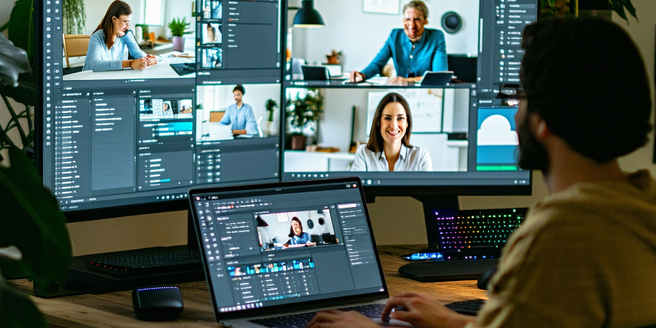
Remote Work Technologies
The evolution of remote work tools has revolutionized global professional operations, transitioning from simple email systems to advanced, integrated platforms that enhance productivity and communication. Cloud computing, video conferencing, and seamless tool integrations have become pivotal, especially accelerated by the pandemic. Key communication platforms like Slack, Microsoft Teams, and Zoom facilitate virtual team interactions, offering robust features for messaging, video calls, and team collaboration. Project management software such as Asana and Trello, which offer task organization and progress tracking features, have become essential for maintaining productivity in remote settings. As remote work becomes more prevalent, cybersecurity measures are critical, with secure VPNs, two-factor authentication, and encrypted communication tools helping to safeguard data. Looking forward, emerging trends in remote work technologies continue to redefine the virtual workspace, emphasizing efficiency, security, and collaboration.

Sustainable Practices In Home Offices
Sustainability in home offices is essential as remote work continues to rise. By implementing eco-friendly practices, individuals can create healthier and more sustainable workspaces. Key strategies include adopting energy-efficient equipment with Energy Star ratings, using LED lighting, and opting for eco-friendly office furniture made from sustainable materials like bamboo or reclaimed wood. Reducing paper waste through digital tools, cloud storage, and recycling further supports a greener office. Additionally, a green cleaning routine using natural products enhances air quality and reduces environmental impact. These efforts not only reduce the carbon footprint but also contribute positively to environmental conservation, promoting a sustainable future for remote work environments.

Personal Data Security Devices
In the digital age, personal data security has become essential to protect sensitive information from breaches and cyberattacks. Personal data security devices provide a defense against unauthorized access, safeguarding privacy and data integrity. Popular devices include hardware security keys, encrypted USB drives, and secure routers. Selecting the right device involves assessing the intended use, security needs, compatibility, and budget. Proper installation and regular updates are crucial for optimal performance, while ongoing maintenance ensures devices remain effective against evolving cyber threats. Investing in reliable security measures not only prevents data loss but also provides peace of mind and compliance with privacy regulations.

Digital Transformation Strategies
Digital transformation hinges on several core components, including the integration of advanced technologies such as cloud computing, artificial intelligence, and big data analytics to enhance efficiency and drive innovation. Cultural shifts within organizations are essential, promoting agility, continuous learning, and adaptability. A clear strategy that aligns with organizational goals, backed by effective leadership, is critical for successful transformation. Enhancing customer experience through personalized digital interactions and measuring the impact of digital initiatives to refine strategies are vital for success. Aligning business goals with digital initiatives ensures targeted digital investments, fostering stakeholder collaboration for a cohesive strategy. Overcoming challenges like resistance to change and integration of legacy systems requires a culture of learning and modern IT infrastructure. Technology enhances customer experience through data analytics, personalized communication, and seamless user-friendly platforms. Regular evaluation of digital solutions ensures alignment with customer expectations. Measuring success with key metrics helps organizations assess and adapt strategies to optimize digital transformation efforts.

5g Network Expansion
5G technology, the fifth generation of mobile networks, offers enhanced speed, lower latency, and higher capacity compared to earlier generations. It operates on low, mid, and high-frequency bands, each suited for different coverage and speed demands. The expansion of 5G networks brings substantial benefits, such as faster connectivity, support for AR/VR, and enhanced IoT capabilities, which drive innovation in sectors like healthcare, automotive, and manufacturing. However, challenges like high deployment costs and technical complexity hinder its widespread adoption. Despite these hurdles, 5G is poised to revolutionize industries and everyday life by supporting telemedicine, autonomous vehicles, smart factories, and smart cities. As 5G technology evolves, future prospects are bright, with advancements in network performance and opportunities for integration with AI and machine learning, paving the way for innovative applications and economic growth.

Cloud-based Software For Remote Sales
Understanding cloud-based solutions is crucial for modern sales teams, offering flexibility for remote work, real-time collaboration, and reduced infrastructure costs. Key features of effective sales software include user-friendly design, CRM integration, data analytics, and secure communication. Cloud technology enhances sales operations by providing accessible resources, automating routine tasks, and ensuring secure data storage. Top tools include CRM platforms like Salesforce and HubSpot, project management tools such as Trello, and communication platforms like Slack. Looking ahead, cloud-based sales platforms will integrate AI, IoT, and enhanced data security for improved decision-making and seamless operations.