
High-resolution Monitors
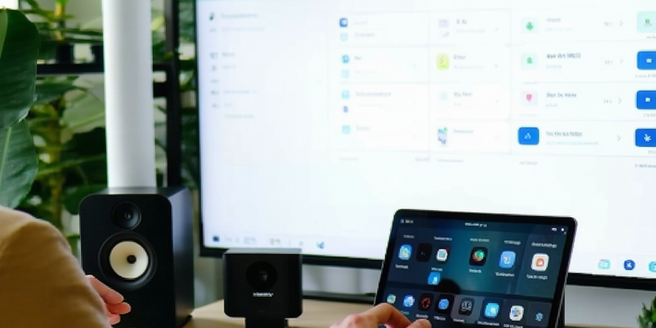
High-resolution technology has transformed digital content interaction by offering displays with higher pixels per inch (PPI), leading to sharper images and immersive experiences. Essential for professionals in design, gaming, and video production, high-resolution monitors like 4K and 8K improve content accuracy and reduce eye strain. Benefits include enhanced detail, vibrant colors, and more screen real estate for multitasking. Choosing the right monitor involves assessing resolution needs, screen size, color accuracy, and budget. Popular brands like Dell and LG offer reliable options, with IPS panels for color accuracy and TN panels for gaming. Proper maintenance and calibration are crucial for longevity and performance, with regular cleaning, calibration, and updates ensuring optimal functionality.
Popular Cloud Document Systems
Cloud document systems have transformed file storage and management, allowing access from any internet-connected device and enhancing workflow efficiency. Businesses benefit from these systems' scalability, cost-effectiveness, and robust security measures. These cloud solutions offer features like version control, real-time editing, and automated updates. They are ideal for organizations seeking seamless collaboration and reduced infrastructure costs. Key features to consider include strong security, integration capabilities, user-friendly interfaces, and cost-effectiveness. Leading systems like Google Drive, Microsoft OneDrive, Dropbox, and Box each offer unique advantages, making it crucial to assess your specific needs for storage, collaboration tools, and integration options to choose the right solution.

Digital Currency Prospects
Digital currency, encompassing digital money and electronic currency, is revolutionizing the financial landscape by enabling instantaneous and borderless transactions, devoid of intermediaries. Rooted in blockchain technology, digital currencies provide enhanced transparency and security. Understanding its basics involves knowledge of blockchain, cryptography, and diverse digital currencies like cryptocurrencies, CBDCs, and stablecoins. Since Bitcoin's introduction in 2009, cryptocurrencies have exploded in variety and applications, becoming central to discussions of monetary systems. They offer alternatives to traditional finance, improving efficiency and global market access while presenting regulatory challenges. The economic impact of digital currencies is profound, promoting financial inclusion but challenging national monetary policies. Innovation continues with the promise of greater scalability, security, and integration with AI and DeFi, shaping the future of digital monetary systems. Meanwhile, regulatory frameworks must evolve to balance technological growth with financial stability.

Wearable Tech Trends And Innovations
Smartwatches and fitness trackers have revolutionized health monitoring with features like heart rate monitoring and GPS tracking, becoming essential for fitness enthusiasts. Healthcare wearables, such as smart patches and biosensors, are enhancing patient outcomes by enabling real-time data sharing and preventive care. Smart clothing blends fashion with technology, offering garments that track biometrics and incorporate innovative materials. Augmented and virtual reality in wearables is transforming user experiences in education and healthcare. The industry is also embracing sustainability, using eco-friendly materials and practices. As wearable technology advances, it promises a future of enhanced personal health management and innovative applications across various fields.

Online Time Tracking Tools
Online time tracking tools offer substantial benefits, enhancing time management and resource allocation through insightful data on task durations. They ensure accurate billing, improve accountability in remote work setups, and aid strategic planning with productivity trend assessments. Time tracking software should feature user-friendly interfaces, robust reporting, and project management integration, with real-time tracking, mobile access, and data security as crucial components. Tools like Toggl, Clockify, Harvest, and Monday.com offer varying functionalities, from seamless invoicing to advanced project management, catering to different business needs. When integrating time tracking into workflows, it's vital to communicate its benefits, provide training, and start with simple implementations. This consistent application fosters a culture of transparency and continuous improvement, ultimately enhancing productivity.
Multi-device Chargers For Convenience
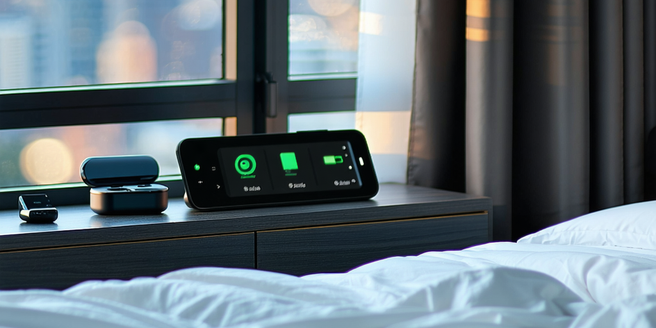
Multi-device chargers have become indispensable in modern households, providing efficient ways to power multiple gadgets simultaneously. They help reduce clutter, save time, and optimize battery health with smart technology. When selecting a charger, consider factors like total power output, compatibility, energy efficiency, and safety features. Leading brands such as Anker, Belkin, and Aukey offer top-rated options catering to various needs and budgets. Maximize your charger's efficiency by organizing device order, checking for wear and tear, using smart features, and maintaining optimal conditions. Understanding these elements ensures a well-informed purchase decision and the best use of your multi-device charging station.

Ai In Healthcare
AI technologies are revolutionizing the healthcare industry with advancements in machine learning and natural language processing, which enable more personalized and accurate medical care. These technologies aid in early diagnosis, treatment planning, and operational efficiency by analyzing large datasets and enhancing communication. AI also benefits healthcare professionals by automating routine tasks, improving diagnostic accuracy, and supporting patient management, which leads to better patient outcomes and reduced burnout. Despite the benefits, challenges such as data privacy, algorithmic bias, and integration costs pose significant hurdles. Case studies show successful AI implementations in hospitals, improving diagnostics and operational processes. The future of AI in healthcare promises further integration with personalized medicine and wearable technology, suggesting a transformative impact on patient care and healthcare delivery.
Online Storage Solutions Comparison
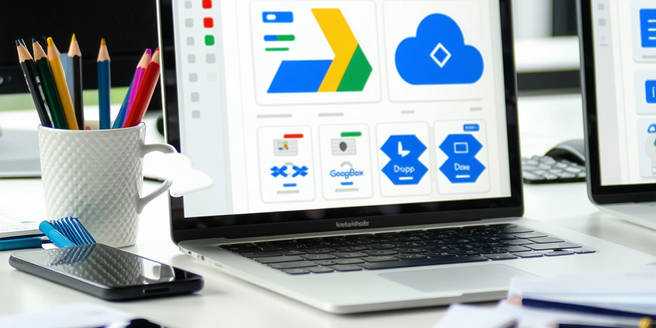
Explore the world of online storage services like Google Drive, Dropbox, and Microsoft OneDrive, all of which offer distinct features tailored for different user needs. Google Drive integrates seamlessly with Google apps, Dropbox is celebrated for its ease of use and reliable sharing options, and OneDrive connects effortlessly with Microsoft Office. Key considerations when choosing a service include storage space, syncing capabilities, sharing and collaboration features, and integration with other software. Pricing is important, with services offering a range of plans from free tiers to premium options, often with discounts for annual subscriptions. Security is paramount, with these platforms implementing measures like encryption and two-factor authentication. User experience and accessibility are also critical, with each service providing unique interfaces and platform accessibility to enhance productivity and ensure ease of use.

Ai In Personalized Learning Platforms
AI is transforming education by personalizing learning experiences and enhancing curriculum through unique insights. Educational platforms leverage AI to analyze data, identify learning patterns, and adapt content to fit individual student needs, resulting in greater engagement and retention. AI-driven tools offer educators real-time feedback and suggest tailored interventions, allowing for a more differentiated approach. While challenges like accessibility and privacy exist, the benefits of AI integration—such as improved teacher-student interactions and future trends in immersive learning—underscore AI’s potential to shape the future of education.

Wearables For Pain Management
Wearable technology in healthcare has revolutionized patient monitoring and personalized treatment plans by continuously recording vital metrics such as heart rate and activity levels. These devices improve patient engagement, compliance, and healthcare operations by offering real-time updates and facilitating early diagnosis and management of chronic conditions. In pain management, devices like TENS units, biofeedback tools, and smart patches provide non-invasive relief options, enhancing quality of life by addressing pain without medication side effects. They monitor pain levels through advanced sensors and algorithms, allowing for real-time treatment adjustments and customization. Brands like Quell, Omron, and iTENS lead the market with innovative solutions tailored to diverse needs. The future of wearable pain management technology focuses on advancements like smarter algorithms, miniaturization, and artificial intelligence integration to offer even more discreet, efficient, and predictive pain management solutions.

Fitness Trackers: Health Monitoring
Fitness trackers are essential wearable devices that monitor health metrics such as steps, heart rate, and sleep patterns, helping users improve their overall wellbeing by setting and achieving health goals. Key features to consider when choosing a fitness tracker include heart rate monitoring, GPS functionality, sleep tracking, water resistance, battery life, and compatibility with smartphones. These devices offer constant health insights, motivate users to adopt healthier habits, and enhance accountability. They provide real-time feedback and encourage physical activity, boosting daily exercise levels. In 2023, top fitness trackers like the Apple Watch Series 8, Fitbit Sense 2, Garmin Venu 2, Samsung Galaxy Watch 5, and Whoop Strap 4.0 cater to various needs, emphasizing features like advanced health monitoring, design, and integration with devices.

Special Edition Headphones For Audiophiles
Audiophile headphones are designed for superior sound quality with features like larger drivers, better materials, and open-back designs for a natural soundstage. Special edition models further enhance aesthetics and acoustics with unique finishes, upgraded circuitry, and luxury ergonomics. Recent 2023 releases showcase advancements in materials, driver technology, and battery life, with notable collaborations offering tailored sound signatures. High-end brands like Sennheiser, Audeze, and Focal are renowned for their sound fidelity and build quality, each offering unique strengths. Choosing the right headphones involves considering usage, design, sound profile, connectivity, and budget, with brand reputation and durability being crucial factors. Proper maintenance is essential to preserve performance and longevity of high-quality audio gear.