
Virtual Whiteboards For Brainstorming Sessions
Virtual whiteboards are essential tools for enhancing team collaboration and productivity, offering benefits like real-time brainstorming, inclusivity, and creativity through various interactive features. Important features to consider when selecting a virtual whiteboard include real-time collaboration, a user-friendly interface, integrations with productivity apps, and security features. These tools enhance remote collaboration by overcoming geographical barriers and fostering interactive communication, allowing seamless idea sharing and task prioritization. For effective brainstorming, it's crucial to define objectives, encourage open communication, and utilize virtual whiteboards for structure. Comparing platforms such as Miro, Microsoft Whiteboard, and Google Jamboard can help identify the best fit for your team's needs based on features like templates, integrations, and ease of use.

Collaborative Design Platforms For Creative Teams
Collaborative design is revolutionizing creative team dynamics by enabling real-time cooperation through shared platforms, transcending geographical barriers. This approach enhances creativity, accelerates processes, and mitigates challenges inherent in traditional project management. As cloud-based tools advance, the demand for collaboration platforms grows, boosting productivity and streamlining workflows. Key platform features to consider include real-time editing, version control, tool integration, and robust security. These platforms facilitate seamless feedback, centralized document management, and scalable solutions suitable for any team size. Leading platforms like Figma, Adobe XD, and InVision offer unique capabilities tailored to different needs. Successful case studies, such as Airbnb's use of Figma and Slack's integration with InVision, highlight the transformative potential of collaborative design. Future trends include the integration of AI and AR/VR technologies, promising further advancements in design collaboration.

Benefits Of Dual-band Routers
Dual-band routers offer enhanced network efficiency by operating on both 2.4 GHz and 5 GHz frequency bands. The 2.4 GHz band provides extended range and is ideal for basic browsing, while the 5 GHz band excels in delivering higher speeds for activities like streaming and gaming. This technology reduces network interference, improves speed and performance, and supports device compatibility across older and newer devices. With increased bandwidth capacity, dual-band routers are suitable for various tasks and can manage multiple devices simultaneously. They provide greater flexibility and coverage, particularly in larger homes or multi-story buildings. Optimizing your home network with a dual-band router involves proper placement and strategic use of each band to ensure a seamless internet experience.

Remote Team Engagement Tools
Remote engagement tools are crucial in today's global workforce for maintaining productivity and collaboration across distributed teams. As remote work grows, it's essential to understand these tools that replicate traditional office interactions, addressing issues like isolation and miscommunication. Key features to look for include robust communication options, task management capabilities, and security features. Effective implementation requires strategic planning, training, and feedback from teams. Overcoming challenges like communication gaps and social isolation involves regular check-ins and virtual team-building activities. Measuring success through productivity metrics and employee satisfaction ensures alignment with team goals. These tools foster unity and culture that transcend physical boundaries, supporting the sustained success of modern workforces.

Smart Noise Cancelation In Earbuds
Noise cancelation technology enhances audio experiences by reducing unwanted ambient sounds, using microphones to detect noise and generating counter-sounds for cancellation. It includes active noise cancelation (ANC), common in earbuds with electronic processing, and passive methods using physical design. In earbuds, noise cancelation is categorized as passive or active, with ANC further divided into feedforward, feedback, and hybrid models. Smart noise cancelation offers benefits like hearing protection and clear communication. Renowned brands such as Sony, Bose, and Apple have advanced ANC models like the Sony WF-1000XM4 and Bose QuietComfort, known for their sound quality and comfort. Challenges persist in balancing noise cancelation with sound quality, battery efficiency, and earbud design. Future innovations may incorporate AI to personalize listening experiences.

Online Learning Platforms For Skill Building
Online learning platforms have revolutionized education by offering global access to diverse courses at a reduced cost compared to traditional education. These platforms support skill development across various disciplines, providing interactive elements like forums and live sessions to enhance learning. Key features to consider when selecting a platform include course quality, interactive elements, and flexibility, along with community support and certifications. Popular platforms differ based on their course offerings: Coursera and edX focus on academic and professional courses, Skillshare and Domestika on creative skills, and Udacity on tech-heavy courses. Successful learners, like Maria and David, illustrate how these platforms can lead to tangible career advancements and entrepreneurship. To stay motivated in digital learning, set clear goals, break materials into manageable sections, engage with supportive communities, celebrate milestones, and apply skills practically. Online learning thus plays a crucial role in personal and professional growth.

Edge Computing Trends
Edge computing is transforming data processing by bringing computing power closer to data sources, reducing latency and enhancing real-time capabilities. This decentralized approach is increasingly vital for industries leveraging IoT devices, as it allows for efficient data handling and rapid decision-making. Edge computing supports applications in autonomous vehicles, smart cities, and industrial automation, and is crucial for AI and machine learning by enabling local data analysis and ensuring privacy. However, it poses security challenges due to its distributed nature, requiring robust strategies to protect data integrity. Businesses benefit from reduced bandwidth costs, improved user experiences, and increased innovation, using edge computing to gain competitive advantages. As 5G infrastructure expands, edge technology is set for significant growth, unlocking new potentials in connected systems and smart environments.

Smart Light Bulb Features
Optimize your energy consumption and enjoy cost savings with smart light bulbs, featuring energy-efficient LED technology. These innovative bulbs reduce electricity bills and support environmental conservation while offering versatile lighting options to suit any mood. With convenient app controls, customize brightness and color to create the perfect ambiance for any occasion, and integrate seamlessly with smart home systems for enhanced functionality. Smart bulbs also bolster home security with remote access and programmable features to simulate occupancy. Their user-friendly setup and low-maintenance design make them an ideal choice for modern households, offering long-term financial and environmental benefits.

Food Tech Industry Developments
Emerging trends in food technology are revolutionizing the food industry, focusing on healthier, sustainable, and convenient options. Key developments include plant-based alternatives, personalized nutrition through AI, and enhanced food traceability. Robotics, automation, and minimal processing techniques are improving efficiency, while fermentation technology enhances flavor and nutrition. Innovations in food production, such as vertical farming, precision agriculture, and biotechnological advancements like CRISPR, are boosting sustainability and efficiency. IoT integration in smart kitchens is transforming the culinary experience by optimizing energy use, reducing food waste, and offering enhanced convenience. Sustainability is at the forefront, with eco-friendly solutions like upcycled food products, edible packaging, and regenerative agriculture driving the industry towards a greener future. The development of alternative proteins, such as plant-based, cultured meat, and insect proteins, is set to revolutionize global protein consumption with sustainable options.

Cross-platform Collaboration Solutions
Cross-platform collaboration is crucial in today's global work environment, facilitating seamless interaction across various operating systems like Windows, macOS, iOS, and Android. It aims to eliminate technological barriers, ensuring all team members have access to the necessary tools and data to enhance productivity and inclusivity. When selecting collaboration tools, prioritize features like real-time collaboration, integration with popular applications, and strong security measures. These elements are vital for maintaining workflow and protecting data. Cross-platform solutions offer flexibility and adaptability, promoting diverse work environments and enhancing team efficiency. However, challenges like compatibility and data security can arise. Organizations should focus on compatible tools with robust security features and conduct regular training sessions. Leading tools in 2023, such as Microsoft Teams, Slack, Zoom, Google Workspace, Asana, and Trello, exemplify excellence in facilitating effective cross-platform collaboration.
The Ultimate Guide To Home Networking
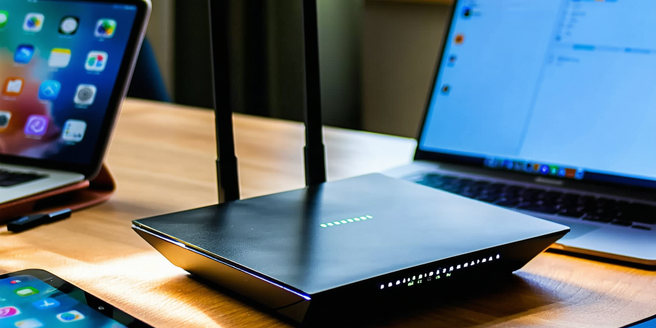
Understanding the basics of home networking involves familiarizing oneself with key components like routers, modems, and bandwidth. A modem connects to the internet, while a router links multiple devices, allowing data communication within a home. Acquiring knowledge of hardware needs, such as dual-band routers, network switches, and Wi-Fi extenders, is crucial for a robust network setup. Ensuring network security is essential, with steps like changing default SSID, enabling WPA3 encryption, and setting strong passwords. Optimizing network performance involves strategic router placement, utilizing 5 GHz frequencies, and prioritizing bandwidth. Regular maintenance and monitoring help in addressing common issues, such as reconnecting devices, updating firmware, and checking for ISP outages. Overall, understanding these elements can enhance connectivity, speed, and security within a home network.

Mobile Apps For Task Organization
Task organization apps are crucial in today’s fast-paced environment, providing a structured platform for managing to-do lists, deadlines, and priorities. These apps enhance productivity by reducing mental clutter, offering reminders, categorization, and progress tracking to ensure efficient time allocation. When selecting a task app, prioritize features like an intuitive interface, collaboration tools, device synchronization, and integration capabilities. Popular apps like Todoist, Trello, and Asana cater to different organizational styles, making it essential to match app features with personal and professional needs. Maximize productivity by setting clear goals, adjusting task priorities, and utilizing synchronization and integration features. Testing various apps can help find the best fit for achieving personal and professional organizational goals.