
Hands-free Wearable Communication
Hands-free wearable technology is revolutionizing the way we interact with digital devices by providing seamless access to communication and information without the need for physical handling. Utilizing features like voice recognition, Bluetooth connectivity, and advanced materials, these devices fit effortlessly into daily life, enhancing both convenience and efficiency. As demand for real-time information access grows, devices like smart glasses and wristbands offer connectivity without the distraction of traditional handhelds, improving productivity and safety. The evolution of wearable communicators has transformed these devices into compact, powerful tools, facilitated by advancements like Bluetooth, Wi-Fi, and sophisticated sensors for health monitoring. Key features include voice-activated controls, app compatibility, long battery life, and AI-driven assistants. While challenges such as privacy concerns and connectivity issues remain, the future of wearable technology promises more integrated designs with augmented reality and AI enhancements, continuously reshaping the communication landscape.

Sustainable Solutions In Video Conferencing
Eco-friendly video conferencing tools play a vital role in sustainable business practices by minimizing environmental impact. By selecting platforms with low bandwidth usage and optimizing data transmission, companies can reduce their carbon footprint. Implementing features like adaptive bitrate streaming and efficient data centers helps in decreasing energy consumption. Opting for software integrated with green practices and supporting servers powered by renewable energy can further aid sustainability goals. The shift to virtual meetings has reduced travel-based carbon emissions, but digital infrastructure still contributes to the environmental impact. Businesses can mitigate this by using renewable energy-powered platforms and energy-efficient software, thus supporting ecological conservation. Energy-efficient technology, such as advanced data compression and power-saving modes, is essential for reducing the environmental impact of video calls. Supporting older hardware prevents unnecessary upgrades, reducing electronic waste. Hosting green video conferences involves using low-energy platforms and encouraging participants to adopt energy-efficient practices, thereby promoting a culture of environmental responsibility.

Understanding The Impact Of Isp Throttling
ISP throttling refers to the deliberate slowing down of internet service by an Internet Service Provider to manage network congestion. This practice impacts data-heavy activities like streaming and gaming, causing frustration for users who experience slower speeds despite paying for high-speed internet. Understanding throttling helps users identify potential slowdowns due to congestion or application-specific throttling, where services like Netflix or YouTube are affected. Recognizing signs of throttling, such as consistent slow speeds or improved speeds when using a VPN, can help diagnose connectivity issues. Solutions include using a VPN, negotiating with the ISP for better terms, managing personal bandwidth usage, and advocating for net neutrality policies. Detecting and addressing throttling can lead to better internet experiences and a more equitable distribution of network resources.

High-resolution Laptops For Work
Screen resolution plays a crucial role in productivity, especially in tasks requiring detailed visuals or prolonged screen use. High-resolution screens offer clearer images and reduce eye strain, which can enhance multitasking efficiency. Professionals like graphic designers and programmers benefit from vibrant displays that improve accuracy and efficiency. In 2023, top high-resolution laptops like Dell XPS 15 and MacBook Pro 16-inch lead the market with their superior displays. Key features to look for include resolution, color accuracy, and panel type (IPS or OLED) for better visuals. Balancing these with performance specs like a robust CPU and GPU is essential for smooth operation. High-resolution displays enhance productivity by allowing more usable screen area for multitasking and are especially beneficial for remote work setups. Understanding these features can help maximize efficiency and justify investment in high-resolution devices.

Ai Health Apps Accuracy
Artificial Intelligence (AI) is revolutionizing healthcare through health apps that provide personalized advice based on user data. These apps utilize machine learning to analyze data and offer insights that traditional methods might miss, continuously improving as more data is input. Accuracy and reliability are key, with apps refining their algorithms through user feedback and rigorous testing. Factors influencing performance include data quality, model complexity, and user interface, ensuring ease of use and relevance. AI health apps offer advantages over traditional methods by allowing continuous monitoring and personalized feedback, although they should complement professional medical advice. The future holds promising advancements, with AI potentially being integrated with electronic health records and improvements in user interaction. Ethical and privacy considerations will be crucial as AI continues to develop in healthcare, necessitating collaboration between developers, healthcare professionals, and regulators.

Task Management Software Comparison
Task management software is essential for organizing, tracking, and completing tasks efficiently. These digital tools enhance productivity through features like task creation, prioritization, deadline management, and integration with other platforms for seamless collaboration. As remote work grows, having a reliable task management system is crucial for streamlining processes and gaining insights into project progress. When choosing software, consider ease of use, collaboration features, scalability, integration capabilities, security, and customer support. Leading tools in 2023 like Asana, Monday.com, Trello, ClickUp, and Notion offer unique features for diverse needs. A feature comparison chart can help assess options by comparing key aspects like user interface, security, and pricing. User experience and interface design are pivotal for adoption, with intuitive layouts and customization enhancing usability across devices.

Personal Assistant Features
Voice command capabilities enhance hands-free operations and accessibility, improving smart home efficiency through natural language processing and AI advancements. Scheduling and calendar integration optimize daily organization by syncing with calendars, providing alerts, and offering time management through voice-controlled updates. Task automation and management simplify routines by automating emails and managing lists, while intelligent assistants prioritize tasks and adapt to personal habits. Personalized user interactions deliver tailored experiences, using machine learning to understand preferences and suggest relevant content. Security and privacy are vital, employing encryption, biometric authentication, and privacy controls for safeguarding sensitive information and maintaining user trust.

Sound Quality In Affordable Wireless Earbuds
Understanding sound quality basics in earbuds involves key parameters like frequency response, sensitivity, and impedance, which influence audio clarity and depth. Frequency response determines the range of sound from bass to treble, sensitivity measures loudness, and impedance affects power needs. Drivers play a vital role in audio output; dynamic drivers are common in budget-friendly models, offering robust sound, while balanced armature and planar magnetic drivers provide more detailed audio but at higher costs. Bluetooth technology impacts sound quality, with advancements like Bluetooth 5.0 and codecs such as aptX and AAC improving audio transmission and reducing latency. Evaluating bass, mids, and trebles is crucial for balanced sound, while effective noise isolation enhances listening by blocking external noise. These aspects guide consumers in choosing affordable wireless earbuds with superior sound experiences.

Sustainability In Tech Workplaces
Eco-friendly office practices are increasingly vital for reducing carbon footprints and enhancing sustainability in the tech industry. By adopting recycling programs, energy-efficient solutions, and using digital documents, companies can significantly lower their environmental impact. Promoting sustainable commuting options, using green office supplies, and conserving resources can also lead to cost savings. These practices not only support the environment but also boost employee morale and attract eco-conscious talent. Furthermore, integrating sustainable technologies such as renewable energy, energy-efficient systems, and biodegradable materials can position companies as industry innovators. Prioritizing energy efficiency in tech infrastructure, fostering a culture of environmental responsibility, and addressing challenges in implementing green initiatives are critical for achieving sustainability goals. As tech workplaces evolve, future trends will likely emphasize further integration of eco-friendly practices and technologies to drive industry-wide change and inspire others.

White Noise Machines For Better Concentration
Explore the benefits of white noise, a consistent sound that masks background noise to improve concentration and relaxation. It enhances sleep quality and cognitive function, making it useful in both professional settings and home offices. White noise machines emit sound waves to create a uniform auditory backdrop, often simulating natural sounds. When choosing a machine, consider features like sound variety, portability, and user-friendly controls. Models such as the LectroFan, Marpac Dohm Classic, and Hatch Restore offer distinct advantages. Maximize concentration by strategically placing the machine, experimenting with sounds, and incorporating it into your routine to create a structured environment for improved focus.
5g Integration Strategies
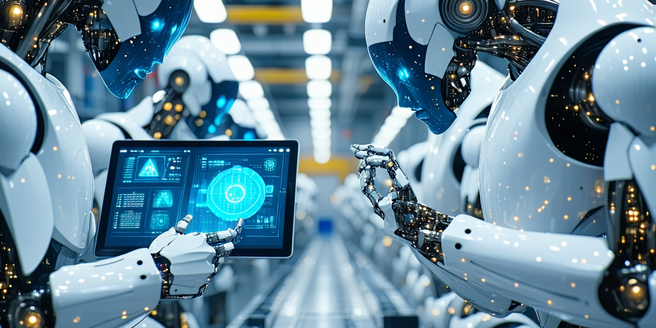
5G technology is set to bring transformative changes across various sectors with its faster speeds and reliable connections, impacting healthcare, manufacturing, and entertainment. It enables innovative applications like IoT, autonomous vehicles, and improved media experiences, supports smarter cities, and enhances broadband access in remote areas. However, the transition to 5G faces challenges such as infrastructure overhauls, regulatory issues, and cybersecurity concerns. Selecting appropriate 5G infrastructure is crucial, involving decisions on spectrum availability and new technology integrations. A seamless transition requires backward compatibility and careful planning, while optimizing security and privacy is essential to protect sensitive data. Future trends include the development of private 5G networks tailored to specific industry needs.

Electric Bicycles For Recreation
Electric bicycles blend traditional biking with modern technology, making cycling accessible to a wider audience by reducing fatigue and expanding travel distances. They contribute to an active lifestyle, reduce traffic congestion, and offer an environmentally friendly alternative to cars, aligning with sustainability goals. Key features to look for in recreational e-bikes include motor power, battery capacity, adjustable pedal assist, suspension quality, frame design, and integrated safety features. E-biking offers health benefits such as improved cardiovascular health and mood, while being easy on the joints. Environmentally, e-bikes produce zero emissions, supporting eco-friendly transportation initiatives. Popular e-bike trails provide stunning natural and historical views, catering to outdoor enthusiasts. Regular maintenance, such as checking batteries, tires, brakes, gears, and storage, ensures your e-bike remains reliable. When selecting an e-bike, consider factors like intended use, terrain, and frequency of rides to choose a model that meets your needs.