
E-learning Platform Benefits
E-learning platforms are transforming education by providing flexible, interactive, and cost-effective learning opportunities. These platforms offer a vast array of courses accessible globally, catering to diverse learning styles through multimedia content, quizzes, and forums. By facilitating self-paced study and reducing geographical and temporal barriers, e-learning supports lifelong learning and personal and professional growth. Known for their unparalleled accessibility, e-learning platforms enable learners to access education from prestigious institutions without relocating, allowing them to fit learning around their schedules. Cost-effectiveness is a key benefit, as e-learning eliminates the need for physical infrastructure and reduces expenses for learners and institutions alike. Personalized learning experiences are enhanced through data-driven insights, allowing for customized educational journeys. Furthermore, e-learning fosters global collaboration, enabling cross-border exchanges of ideas and cultural enrichment. As technology advances, trends such as Artificial Intelligence are poised to further enhance digital education, ensuring its growing relevance and inclusivity.
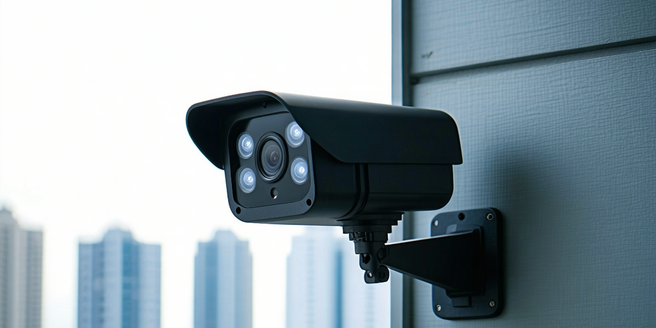
Using Ai In Home Office Security
AI is revolutionizing modern security systems by enabling capabilities such as real-time data analysis and anomaly detection, transforming traditional manual and automated processes into proactive security measures. Machine learning enhances the accuracy of threat detection, reducing false positives and enabling quick responses to threats. AI integration into surveillance and access control systems boosts security effectiveness, providing heightened safety for both physical and digital spaces. In home office environments, AI improves surveillance by distinguishing suspicious activities, ensuring privacy, and allowing remote monitoring via smart home integration. AI-driven threat detection technologies utilize deep learning to identify and adapt to new security threats, offering high accuracy and efficiency. Integrating AI with existing infrastructures enhances threat detection, enables automated responses, and provides a unified view of security threats, ensuring robust protection. Future trends in AI-powered home office security focus on personalization and integration with IoT devices, creating a cohesive ecosystem that enhances safety and control.

Smart Home Devices For Acoustic Environments
Acoustic-friendly smart technologies are transforming home environments by enhancing sound clarity and reducing noise interference through adaptive audio systems and automated sound calibration. Key advancements include smart home integration for seamless control and noise-cancelling features for quieter atmospheres. Popular choices, such as top smart speakers, offer exceptional acoustic performance with features like Dolby Atmos and far-field microphones. In home theaters, smart acoustics provide a cinema-like experience with customizable settings and immersive sound. Future innovations are expected to harness AI and machine learning, allowing for personalized soundscapes and dynamic sound zoning, making homes more acoustically advanced and user-friendly. Understanding and investing in these technologies can significantly enhance your living environment and create a more immersive sound experience.

Electric Scooter Evaluation
Electric scooters are increasingly popular for urban transportation, providing an eco-friendly and efficient alternative to traditional vehicles. Their compact design and electric propulsion make them suitable for short commutes and city navigation, while widespread scooter-sharing services enhance accessibility. Key considerations when choosing an electric scooter include range, battery life, motor power, portability, and safety features. Performance and range are crucial, affected by motor power and battery capacity, impacting speed and distance per charge. Safety and regular maintenance, including helmet use and scooter checks, are vital for safe riding and longevity. Popular models from brands like Xiaomi, Segway, and Razor offer diverse features, catering to various needs and budgets. Understanding model specifications and user reviews aids in selecting the right scooter that aligns with individual preferences and requirements.

Noise-cancelling Headphones For Concentration
Understanding noise-cancelling technology is crucial for appreciating how it enhances focus and productivity. This technology uses active noise control to neutralize ambient sounds through destructive interference. It is most effective against low-frequency, droning noises like airplane engines or air conditioning. Coupled with passive noise reduction, noise-cancelling headphones significantly improve the audio experience. Key features to consider when choosing these headphones include the effectiveness of noise cancellation, battery life, comfort, audio quality, and additional functionalities like Bluetooth and voice assistants. Top models for work and study include the Sony WH-1000XM4, Bose QuietComfort 35 II, and Apple AirPods Pro, among others. Whether selecting over-ear or in-ear options, the choice depends on personal preferences regarding sound quality, portability, and comfort. Noise-cancelling headphones make an invaluable tool for those needing an ideal auditory workspace, whether for work, study, or leisure.

Smartwatch Sleep Tracking Features
Sleep tracking in smartwatches has advanced, enabling users to easily monitor sleep patterns using sensors that record sleep duration, quality, and disturbances. This data helps detect issues like insomnia or irregular patterns, and integration with apps allows detailed analysis and goal setting. Smartwatches utilize algorithms and sensors to track sleep stages, offering insights into light, deep, and REM sleep. Key benefits include increased awareness of sleep habits, shared data with healthcare professionals, and receiving personalized sleep improvement recommendations. However, accuracy varies across devices due to differences in sensor quality and algorithms. Modern smartwatches offer advanced features such as heart rate variability and oxygen saturation monitoring. When choosing a smartwatch for sleep tracking, consider factors like battery life, comfort, and sensor accuracy.

Travel Gadgets Technology Evaluation
In the modern travel landscape, gadgets have become essential tools for enhancing comfort, efficiency, and safety. From portable chargers and noise-canceling headphones to smart luggage and GPS trackers, these devices cater to both business and leisure travelers. The incorporation of smart technology like wireless earbuds, portable Wi-Fi hotspots, and advanced luggage scales is revolutionizing travel by streamlining logistics and minimizing stress. When selecting travel tech, consider multi-functional devices that meet specific needs and offer convenience. As smart gadgets evolve, they play a pivotal role in making travel more efficient by automating tasks and personalizing experiences. With future innovations such as AI-driven assistants, augmented reality, and eco-friendly technologies on the horizon, travel is set to become more immersive, sustainable, and seamlessly connected.

Artificial Intelligence Innovations
AI is revolutionizing various industries through transformative applications. In manufacturing, AI-driven automation enhances efficiency and reduces costs. The financial sector uses AI for fraud detection and customer service, while retail benefits from AI in personalized recommendations. AI aids agriculture with precision farming and optimizes transportation through autonomous vehicles. Education and healthcare leverage AI for personalized learning and improved diagnosis. NLP advancements enhance human-machine communication, powering virtual assistants and real-time translation. Despite its benefits, AI raises ethical concerns about data privacy and bias, necessitating responsible development. Future trends include explainable AI and human-AI collaboration, promising further innovation and smarter systems across all sectors.

Renewable Energy Technologies In Homes
Solar panels provide numerous benefits for homeowners, including reduced electricity bills, financial incentives like tax credits, and increased property value. They offer a sustainable energy solution by converting sunlight into electricity, decreasing reliance on fossil fuels and helping to reduce carbon emissions. Wind turbines are another renewable option, efficiently converting wind into electricity and lowering dependence on grid power. Geothermal energy provides consistent heating and cooling with low operational costs, while hydroelectric systems use water flow to generate continuous electricity, especially in remote areas. Biomass energy utilizes organic waste for heating and power, reducing fossil fuel dependency and greenhouse emissions. As technology advances, these renewable energy solutions become more efficient and affordable, making them an attractive and environmentally friendly choice for homeowners.

Holographic Communication Tools
Holographic technology is an innovative method for creating three-dimensional images without special glasses, revolutionizing sectors like entertainment, medicine, and education. As digital processing evolves, holography is becoming more mainstream, allowing for life-like images through lasers and light manipulation. In business, holographic communication tools are enhancing remote collaboration and product presentations, acting as powerful marketing tools and fostering global teamwork. Daily life applications range from engaging educational tools and immersive home entertainment to advanced healthcare imaging and smart home assistants. Despite its promise, holography faces challenges such as high costs, technical demands, and data security issues. However, future innovations hold potential, with quantum holography, AI-enhanced systems, and wireless displays on the horizon, promising to elevate user experiences and redefine digital interactions.

Comparative Analysis Of Video Conferencing Platforms
The video conferencing platform market has surged due to the growth of remote work, with major players like Zoom, Microsoft Teams, Google Meet, and Cisco Webex leading the charge. Each platform boasts unique features: Zoom is favored for its user-friendly interface, Teams integrates well with Office 365, Google Meet offers simplicity and seamless integration with Google Workspace, and Cisco Webex is noted for its robust security. These platforms prioritize user experience with intuitive interfaces and continuously enhance features to meet diverse needs. Security remains a top priority, with platforms implementing advanced measures to ensure data integrity. Pricing structures vary, offering free options with premium features available in paid plans, catering to different budgets and requirements. As virtual communication becomes integral to modern business, these platforms provide essential tools for effective collaboration.

Feedback And Survey Tools For Teams
Feedback is essential for team growth and improvement, fostering transparency and innovation by highlighting strengths and areas for development. Regular feedback sessions build trust and collaboration, identify issues early, and help refine processes and goals. When choosing survey tools, prioritize ease of use, customizability, robust analytics, integration capabilities, and security features. Popular feedback tools like Slack and SurveyMonkey offer various features, and teams should assess their specific needs and budget. Integrating survey tools with communication platforms enhances collaboration by streamlining feedback collection and analysis. Feedback analysis identifies improvement areas, aligns strategies with goals, and encourages collaboration and innovation.