Online Streaming Services
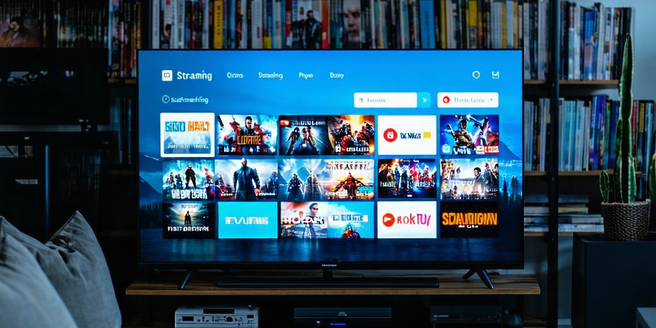
Online streaming platforms have revolutionized the entertainment industry, transforming traditional media consumption by offering instant, on-demand access to a wide array of content. Initially led by services like Netflix, the industry has rapidly evolved, driven by consumer demand for convenience and control. Major players such as Hulu, Amazon Prime Video, and Disney+ have enhanced user experiences through personalized content recommendations, offline downloads, and original programming. This evolution has impacted traditional television and advertising, pushing these industries towards innovative hybrid models. Subscription costs vary across platforms, with value for money becoming a key focus for consumers who are increasingly informed and strategic in their choices. The creation of original content has become a crucial factor in attracting and retaining subscribers, as platforms compete to offer exclusive, high-quality programming.

Consumer Preferences In Wearable Fashion
Wearable fashion trends have evolved from basic digital watches to advanced smartwear, reflecting personal style and technological integration. With the incorporation of smart fabrics and responsive clothing, wearables have become both functional and expressive. Technology plays a crucial role in influencing consumer choices, with innovations like IoT and AI enhancing user interaction and customization. Eco-friendly designs are also gaining popularity due to increased consumer awareness of sustainability. Cultural influences are shaping wearable trends, blending heritage with modern aesthetics. Consumers favor multifunctional designs that merge fashion with practicality. The future trends in wearable fashion anticipate enhanced AI integration, smart fabrics, and augmented reality, promising an era where digital and physical experiences converge.

Digital Escape Rooms For Teams
Digital escape rooms are a modern way to enhance team building, offering a virtual setting that encourages collaboration and problem-solving from any location. These interactive experiences require effective communication and strategic thinking, fostering teamwork and camaraderie. Digital escape rooms can be tailored to fit specific team dynamics and strengths, promoting an enjoyable and memorable team-building experience that strengthens communication and trust. Selecting the right theme for a digital escape room is crucial for maximizing engagement. Consider team interests and puzzle complexity to ensure a captivating and suitable experience for all participants. Utilizing the right hosting platforms and tools, such as Escape Room Maker or Enchambered, can facilitate a seamless escape room setup, enhancing communication and the overall experience. A detailed setup process, including a test run and clear guidelines, ensures a successful virtual escape room. Measuring team performance through communication, decision-making, and time management during these activities provides insights for improving future team-building efforts, contributing to a positive team culture.

Future Of Job Interviews
The job interview landscape is rapidly evolving with a shift toward remote and virtual platforms, enhancing opportunities for global candidates and offering companies access to a broader talent pool while reducing costs. This transformation is accompanied by the growing application of AI and automation in the recruitment process, streamlining and adding objectivity to candidate evaluation while retaining the essential human element. Employers are increasingly valuing skills over experience, emphasizing adaptability and problem-solving abilities over past job titles, resulting in more inclusive hiring practices. Gamification is also revolutionizing candidate assessments by incorporating engaging, game-like elements that provide real-time insights into cognitive and behavioral competencies. Lastly, soft skills such as communication and emotional intelligence are becoming as critical as technical skills, shaping the future of effective teamwork and leadership.

Securing Data With Remote Work Tools
Remote work has heightened data security challenges, requiring businesses to address unsecured home networks, increased phishing threats, and the use of personal devices lacking corporate safeguards. Organizations must implement robust security strategies, considering vulnerabilities like reduced physical oversight and unauthorized data sharing. Adopting appropriate tools such as data encryption, multi-factor authentication, and VPNs is crucial, alongside evaluating tools for seamless integration and user-friendliness without hampering productivity. Implementing clear policies, regular updates, and strong password practices are vital best practices. Employee training on recognizing threats and secure practices fosters a security-aware culture. Regular security audits and updates are necessary to adapt to evolving threats, ensuring data protection in remote work settings.

Chipset Advancements In Mobile Tech
Modern mobile chipsets are integral to smartphone innovation, evolving from basic processors to advanced systems-on-chip (SoCs). Leading companies like Qualcomm, Apple, and MediaTek are pushing the boundaries of performance and energy efficiency. The transition to smaller process technologies, such as 5nm, has enhanced energy efficiency and processing power, supporting dynamic applications such as AR and gaming. Key players dominate the market by integrating AI, which optimizes performance and enables sophisticated tasks. Energy-efficient designs are minimizing environmental impact while advancing sustainable technology. Future developments, including 5G integration and neuromorphic chips, promise to revolutionize mobile experiences and enable new innovations in fields like VR and telemedicine.

Signal Boosting Technologies
Signal boosting is essential for enhancing wireless communication by amplifying weak signals and extending coverage for cellular and internet connections. This technology is crucial for maintaining connectivity in areas with poor reception by using devices such as signal boosters, repeaters, and amplifiers. In the modern interconnected world, signal boosting is vital for seamless communication, especially in remote or rural areas where infrastructure is lacking. Individuals, businesses, and emergency services rely on this technology for stable communication. Different signal boosting technologies, such as passive and active DAS, consumer-grade boosters, and femtocells, cater to diverse needs. Signal boosters work by utilizing external antennas to capture weak signals, amplifiers to enhance them, and internal antennas to rebroadcast them, thereby improving call quality and data speed while conserving device battery life. When choosing a signal booster, factors like coverage area, frequency bands, signal quality, antenna system, installation ease, and budget must be considered to ensure optimal performance. As 5G networks roll out, signal boosting technologies are set to evolve further, offering improved capabilities.

How To Implement Async Communication Tools
Async communication, which involves exchanging information without real-time interaction, is ideal for teams with varied schedules or remote members across time zones. This method enhances productivity by reducing immediate response pressure and allows thoughtful contributions, fostering an inclusive and flexible work environment. Key async tools include emails, project management platforms, and collaborative documents. Choosing the right async tools tailored to your team's needs, such as Slack, Trello, and Zoom, is crucial for efficiency. Integration requires clear communication, established guidelines, and phased transition with feedback opportunities to support flexibility. Training is essential to ensure smooth adoption, involving comprehensive sessions, user guides, and peer-to-peer learning. Measuring the impact of async tools involves tracking performance indicators and gathering feedback to ensure continued effectiveness. Regular assessment and adaptation can significantly boost productivity and collaboration.

Remote Work Technologies
Remote work has evolved drastically with the introduction of innovative communication and productivity tools. Originally relying on email, the transition to video conferencing, instant messaging, and project management software has transformed team collaboration. These advancements facilitate task management, document sharing, and seamless meetings, making remote work more efficient and globally integrated. Driven by the need for enhanced connectivity, these tools continue to evolve, showcasing a commitment to overcoming the challenges of remote work and striving for optimal collaboration.

Virtual Reality In Daily Life
Virtual reality technology has made remarkable advancements, transitioning from expensive, limited systems to accessible, immersive experiences with standalone headsets. The evolution of VR has significantly impacted various sectors. In education, VR fosters interactive learning, enabling virtual field trips and hands-on experiments that enhance student engagement. In healthcare, VR offers realistic training simulations and therapeutic applications for pain management and rehabilitation. The workplace benefits from VR through enhanced training and collaboration, allowing employees to practice skills safely and work together in virtual spaces. In the entertainment realm, VR elevates gaming and introduces virtual concerts and interactive storytelling, offering unique audience engagement. As VR technology continues to advance, its potential to transform industries and improve accessibility and experience grows significantly.
Wi-fi Speed Optimization
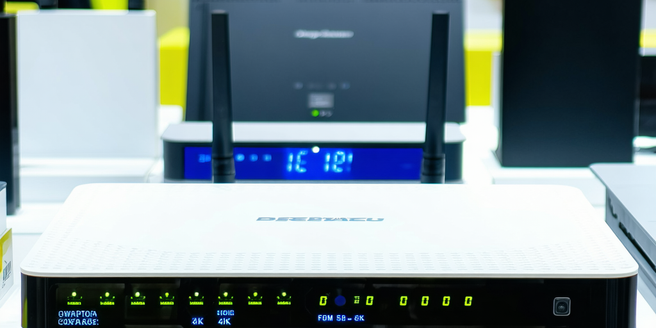
Optimize your Wi-Fi experience by understanding key aspects such as the differences between 2.4 GHz and 5 GHz bands, which affect range and speed. Select the right router by considering coverage area, simultaneous users, and internet speeds, and stay updated on wireless standards. Position your router centrally, avoiding obstacles for optimal coverage. Minimize interference from electronic devices by choosing appropriate bands and settings, such as picking less congested channels. Fine-tune advanced settings including channels and bands for improved performance, utilizing dual-band capabilities for better load distribution. Achieve enhanced connectivity by strategically managing these elements.

Self-care Technology
Explore how technology is revolutionizing self-care by offering tools like meditation apps, wearable fitness trackers, and virtual therapy platforms. These innovations help improve mental and physical well-being by providing personalized insights and support. While technology offers easy access to health resources, it's crucial to balance its use with traditional self-care practices for a holistic approach to wellness. Meditation apps such as Headspace and Calm guide users towards mindfulness, while smart home gadgets create a relaxing environment. Virtual therapy platforms offer convenient mental health support, breaking down barriers to access. However, moderating screen time to incorporate offline activities remains essential for a fulfilling lifestyle.