
Laptop Stand Portability Vs Stability
Assessing different laptop stand types involves considering options like fixed, adjustable, portable, and hybrid models. Fixed stands offer robust stability ideal for desktops, while adjustable stands cater to ergonomic needs with modifiable heights and angles. Portable stands shine with their lightweight, foldable design perfect for travel, despite sometimes lacking durability. Hybrid models balance portability and stability, offering multifunctionality in a compact form. Choosing the right stand depends on factors such as travel frequency and home-office requirements. Portable laptop stands are advantageous for mobile lifestyles, offering lightweight, collapsible designs that easily fit into bags, ensuring ergonomic comfort anywhere. They reduce strain injuries associated with prolonged laptop use and feature adjustable heights for personal comfort. Enhanced stability in stands is vital for user comfort, with stable stands ensuring secure laptop placement to prevent distractions and improve productivity. Finding a balance between portability and stability enhances the user experience, with some stands using detachable parts or lightweight, sturdy materials like aluminum alloys. Real-world experiences underline the necessity for users to find stands that meet their diverse needs, from travelers prioritizing lightweight designs to home office workers valuing stability and ergonomic features.

Extended Reality Entertainment
Extended Reality (XR), encompassing virtual reality (VR), augmented reality (AR), and mixed reality (MR), has evolved significantly, transitioning from basic simulations to sophisticated, immersive experiences. These technologies are transforming industries like healthcare, education, entertainment, and gaming by offering interactive and emotionally engaging platforms enhanced by AI and 5G technology. In gaming, VR provides immersive play, with players actively participating in their environments. AR is revolutionizing film and television by integrating digital elements into real-world settings, enhancing storytelling and viewer interaction. MR combines VR and AR elements, allowing users to engage with virtual and physical objects simultaneously, offering new avenues for creativity in entertainment. However, challenges such as high costs and technical limitations persist. Despite these, the continuous advancement of XR technologies promises a future where they are seamlessly integrated into everyday life, reshaping the entertainment landscape.
Smartphone Accessories
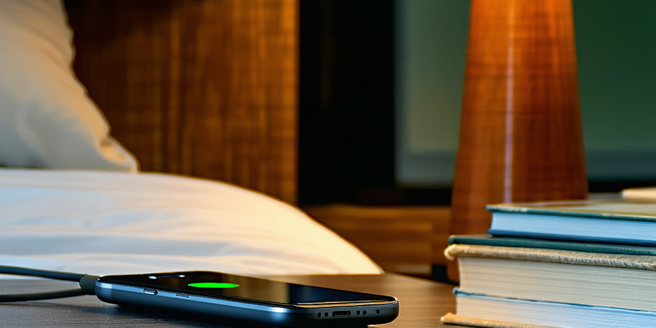
Discover essential smartphone accessories that enhance daily functionality and protect your device. Explore the benefits of durable screen protectors, versatile charging cables, and quality earbuds. Keep your device powered with top wireless chargers eliminating tangled cables. Prioritize device safety with must-have protective cases offering durability and style. Elevate smartphone photography with specialized camera lenses for varied shots. Stay connected with Bluetooth earbuds and headphones providing a wire-free audio experience. Maximize mobile gaming with accessories like gaming controllers and cooling fans. Invest in high-quality brands to ensure safety and top performance across all smartphone accessories.
Wireless Charging Advances
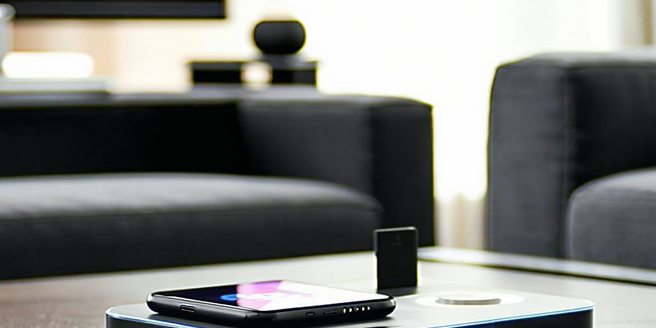
Wireless charging technologies are revolutionizing device power delivery by eliminating cables and connectors, offering convenience and improving device durability. Initially conceptualized by Nikola Tesla, these technologies allow multiple devices to charge simultaneously via electromagnetic fields, removing the wear and tear associated with traditional connectors. The growth of wireless standards, led by organizations like the Wireless Power Consortium, has reduced fragmentation and enhanced interoperability, with Qi becoming a leading standard. Emerging solutions promise benefits like reduced clutter, increased device lifespan, and improved safety. However, challenges including efficiency, universal compatibility, and infrastructure expansion need addressing for broader adoption. Future trends suggest enhancements like long-range charging and integration with smart homes and electric vehicles.
Voice Assistants Usage
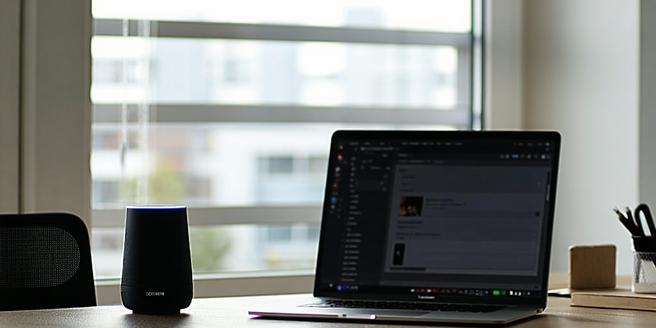
Voice assistants have revolutionized digital interaction, becoming an integral part of daily life through their integration into smartphones, smart speakers, and cars. Examples include Siri, Alexa, and Google Assistant, whose convenience has boosted their widespread popularity. Their evolution has been fueled by advancements in AI and machine learning, enhancing capabilities from simple tasks to complex operations and increasing device integration. Key features include voice command actions, smart home management, personalized responses, multilingual support, and third-party app integration. Despite privacy and accuracy challenges, user adoption has surged, with voice technology playing a pivotal role in shopping, entertainment, and home management. Future prospects are promising, as ongoing technological advancements will expand their functionalities, enabling more nuanced human interactions and deeper sector integration.

Wearable Fitness Tech Trends
Wearable fitness technology has evolved significantly, offering enhanced tracking of health metrics and integrating smart features like notifications and GPS. Upcoming innovations for 2024 include smart fabrics and non-invasive glucose monitoring, powered by AI and solar energy, to improve personalization and user engagement. AI is transforming fitness trackers by providing advanced analytics, predictive insights, and adaptive workouts, enhancing the user experience. The synergy between wearables and health apps offers comprehensive health management, enabling real-time data access and communication with healthcare providers. Wearables are integral to personalized training, offering real-time monitoring and workout customization to meet individual fitness goals, paving the way for future advancements in health and wellness technology.

Wearable Technology In Sports Training
Wearable technology is revolutionizing sports by providing real-time data on athletic performance and physical condition. Devices like smartwatches, heart rate monitors, and fitness trackers allow for analysis of metrics such as speed, distance, and heart rate, enhancing decision-making and training optimization. These devices also offer insights into sleep and recovery, crucial for training efficiency. Key technologies like GPS watches, smart clothing, and biometric sensors provide unprecedented analysis of movement and stress, aiding in performance enhancement and personalized training. Additionally, wearable tech plays a vital role in injury prevention and recovery by monitoring biomechanics and physical exertion, alerting to potential injury risks. Integration of wearables in coaching strategies allows for personalized training regimens and improved trainer-athlete communication. The future promises even more sophisticated wearables with potential advancements such as biometric tattoos and AI-driven analysis, ensuring their pivotal role in competitive sports and athlete welfare continues to grow.

Best Practices For Virtual Meeting Success
Enhance your virtual meetings by understanding and utilizing the right tools like Zoom, Microsoft Teams, and Google Meet. Familiarize yourself with features such as breakout rooms and screen sharing to improve communication and productivity. Setting clear agendas is crucial; define objectives, allocate time, and share agendas in advance to keep discussions focused. Foster engagement by creating an interactive environment, encourage contributions, and include elements like polls or Q&A sessions. Ensure technical preparedness by confirming all participants have the necessary equipment and access to reliable technology. After meetings, implement effective follow-up strategies with summaries, clear responsibilities, and feedback to reinforce decisions and improve future collaborations. By integrating these strategies, achieve seamless interactions and ensure successful virtual meeting outcomes.
Durability In Outdoor Smartwatches
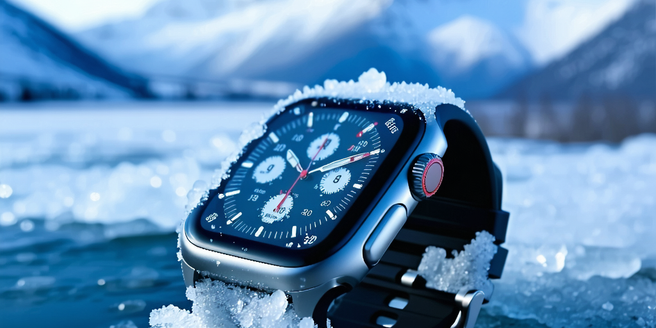
Durability is essential for outdoor smartwatches to withstand environmental stressors like extreme temperatures, water, and impacts. Using high-quality materials such as stainless steel, titanium, and reinforced polymers enhances their resilience against harsh conditions. Features like water and shock resistance, coupled with rugged designs, ensure reliability in various activities. Additionally, long battery life, supported by power-efficient components and solar charging, is vital for extended use in remote areas. Investing in a durable outdoor smartwatch guarantees a reliable, long-lasting companion for outdoor adventures while providing value for money and reducing electronic waste.

Ai Applications In Climate Change
Artificial Intelligence (AI) is crucial in addressing climate change by enhancing data processing, improving climate models, and optimizing renewable energy. AI analyzes vast amounts of climate data, providing insights for policymakers to combat climate change effectively. Predictive analytics powered by AI boost climate modeling accuracy and reliability, enabling better adaptation and mitigation strategies. In renewable energy, AI optimizes production and distribution, increasing efficiency and reducing costs. Additionally, AI plays a vital role in monitoring carbon footprints, helping businesses and governments reduce emissions and enhance sustainability. By leveraging AI, robust climate change mitigation strategies can be developed, incorporating comprehensive data analysis for more resilient planning.

Mental Health Strategies For Remote Workers
Remote work can present unique challenges to mental health, including feelings of loneliness and a blurred line between home and work life, leading to stress and burnout. To combat these issues, it’s vital to develop strategies such as regular virtual check-ins, setting clear work boundaries, and taking mindful breaks. Establishing a structured daily routine can help delineate work from personal time, boosting both productivity and mental well-being. Creating a dedicated workspace further enhances focus and mental clarity by reducing home distractions. Incorporating mindfulness practices like meditation can also reduce stress and improve emotional regulation. Building social connections through virtual platforms fosters community and combats isolation, while prioritizing work-life balance is essential for sustainable remote work, involving clear boundaries, regular breaks, and time for hobbies and relaxation. These strategies collectively support mental health and productivity in a remote work environment.

Cloud Solutions For Work
Cloud computing is revolutionizing how businesses manage IT services by providing storage, processing, and management capabilities over the internet, thus eliminating the need for on-site data centers. This technology ensures scalability, cost-efficiency, and flexibility, enhancing productivity as teams can work from anywhere. Leading providers like AWS, Microsoft Azure, and Google Cloud offer robust solutions for varying business needs, while choosing the right cloud solution requires evaluating deployment types, compatibility, and long-term goals. Although cloud implementation can pose challenges such as data security and system integration, strategic planning and choosing reputable providers can mitigate these issues. Future trends like AI, edge computing, and multi-cloud strategies promise to further evolve the cloud landscape, offering advanced automation and data processing capabilities. Understanding these fundamentals is crucial for businesses looking to capitalize on cloud computing's potential.