Lighting Tech For Home Video Studios
Understanding the Basics of Home Studio Lighting
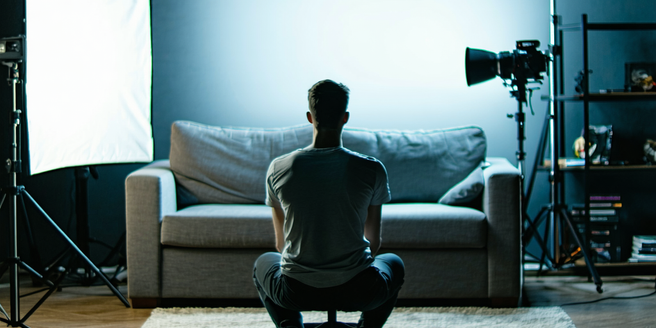
Understanding the basics of home studio lighting revolves around the three-point lighting system: key light, fill light, and backlight. The key light is the primary source, creating a visible shadow on the subject. The fill light helps to reduce the intensity of shadows created by the key light, adding depth. The backlight or rim light separates the subject from the background, providing dimension. Ideal lighting relies on positioning and intensity adjustments. Temperature plays a crucial role; warmer lights convey coziness, while cooler lights depict professionalism. Natural light, if available, can be skillfully integrated with artificial sources. Understanding these fundamentals allows content creators to manipulate lighting creatively, optimizing for different moods and themes. Experimenting with different angles and types of fixtures will yield a well-lit scene, essential for high-quality video production.
Essential Equipment for Professional Video Quality
Achieving professional video quality at home requires a selection of essential lighting equipment. Softboxes are fundamental; they diffuse harsh light, creating pleasing, even illumination with soft shadows. Ring lights, often used for vlogging, provide direct and balanced lighting, reducing facial shadows and adding a distinct catchlight in the subject’s eyes. LED panels offer versatile options; they’re adjustable in both color temperature and intensity. These are essential for dynamic lighting setups and can quickly adapt to various shooting conditions. Clamps and stands are practical tools that ensure light sources are correctly positioned. Together, this equipment forms a productive environment for video production, blending practicality with professional results. Investing in quality lighting gear not only enhances visual aesthetics but significantly uplifts the overall production value of a home studio.
Innovative LED Solutions for Small Spaces
Incorporating innovative LED solutions is key when working within the constraints of a small home studio. LED strip lights can line bookshelves, walls, or even the underside of a desk, offering an ambient glow that unobtrusively lights the space. Compact LED panel lights are both powerful and lightweight, making them easy to mount or position in tight spots. These panels often come with adjustable options, allowing for mix-and-match color temperatures to mimic natural daylight or create a specific atmosphere. Utilizing LED light bulbs in existing fixtures can also be an economical upgrade to enhance brightness and color fidelity. Such flexibility in customization allows creators to maximize their studio’s potential without overcrowding. Not only do these solutions offer high efficiency and longevity, but they cater to intricate lighting needs, transforming any nook into a professional setup.
Cost-Effective Lighting on a Budget
Setting up a home video studio doesn’t have to break the bank, especially regarding lighting. One cost-effective solution is utilizing natural light to its fullest potential; shooting in locations with abundant window light can dramatically reduce equipment needs. Budget-friendly options like clamp lights with daylight-balanced bulbs offer a significant upgrade from standard room lighting. Reflectors, such as whiteboards or aluminum foil-covered cardboard, can bounce light onto the subject, reducing harsh shadows and adding depth. DIY softboxes can be crafted using simple materials like white fabric and cardboard to diffuse harsh lighting effectively. Another economical choice is utilizing versatile LED bulbs, which are energy-efficient and apt for various lighting requirements. Strategically investing in multi-functional tools saves costs and space, making it easier to adapt setups as needed, all without compromising on quality.
Integrating Smart Lighting for Versatile Setups
Incorporating smart lighting into a home studio setup can transform the way lighting is utilized and manipulated during video production. Smart lighting systems allow creators to customize the brightness, color, and temperature of lights with precision, all controlled through an app or smart home devices. This flexibility means you can quickly shift the lighting mood between scenes or creative cuts without manually adjusting each fixture. Some smart lights can sync to ambient sounds or video content, providing dynamic backlighting effects and immersive environments. Another advantage is scheduling, where lighting setups can be automated for consistent lighting throughout a shoot. Some smart LED bulbs allow for voice activation, further streamlining productivity. By integrating smart technology into home studios, the creative possibilities expand, offering both functionality and aesthetic enhancement to video projects.
DIY Tips for Customizing Your Lighting Environment
Customizing your lighting environment with DIY projects can give your home studio a unique and personal touch. One creative idea is using colored gels over light sources to create various moods and effects. These gels, which can be bought or crafted from colored translucent materials, offer an inexpensive method to alter the color temperature. Creating homemade diffusers from materials like wax paper, can soften light and reduce harshness on the subject’s face, mimicking professional-grade softboxes. Clamp lights, paired with different diffusion materials, can be used to cast specific angles during filming, perfect for product or close-up shots. Additionally, crafting your light stands from PVC pipes or repurposed tripod parts can offer flexibility in height and positioning options. Experimenting with DIY lighting solutions not only fosters creativity but adapts the studio setup to specific project requirements efficiently and cost-effectively.