Networking Techniques For Remote Professionals
Building a Strong Online Presence
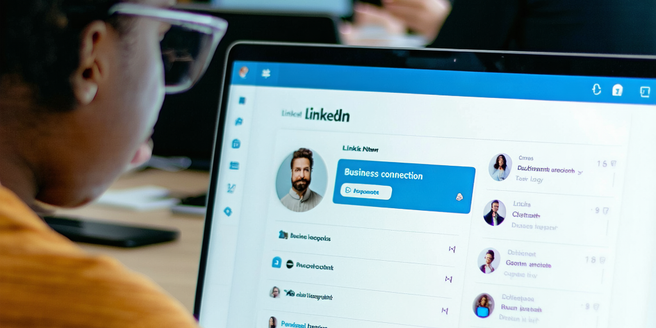
As a remote professional, establishing a strong online presence is crucial for networking success. Start by creating a professional profile on major networking platforms like LinkedIn. It should highlight your skills, experiences, and achievements. Consistently update your profile to reflect any new accomplishments. Additionally, consider building a personal website or blog to showcase your expertise and insights in your field. Regularly publish relevant content to engage your audience and demonstrate your knowledge. Engage with others by commenting on industry articles and participating in online discussions. By maintaining an active and professional online presence, you make it easier for others to find and reach out to you, enhancing your networking opportunities and building your professional reputation.
Leveraging Social Media Platforms Effectively
Social media platforms offer a powerful way to network as a remote professional. Start by identifying which platforms your target audience frequents, such as LinkedIn, Twitter, or Instagram. Create professional and engaging profiles on these platforms to showcase your expertise. Share valuable content, participate in discussions, and engage with others by liking, commenting, and sharing posts. This will help you stay visible and connected within your industry. Networking on social media is not just about broadcasting; it’s about interaction. Engage genuinely with your audience and provide insightful responses to establish meaningful connections. Use hashtags strategically to reach broader audiences interested in similar topics. Joining relevant groups and participating in their conversations can also increase your visibility and connect you with industry peers.
Engaging in Virtual Networking Events
With advancements in technology, virtual networking events are on the rise and have become an effective way for remote professionals to connect. Participate in webinars, online conferences, and virtual meetups to expand your network. These events offer opportunities to connect with industry leaders and peers from across the globe. Prepare by reviewing the event agenda and researching speakers and topics. During the event, actively engage by asking thoughtful questions and joining breakout sessions to discuss key topics. Utilize chat features to connect with other attendees in real-time. Post-event, follow up with new connections through professional networking platforms or email, expressing your appreciation for the interaction. This helps to solidify the connection and keeps your interaction meaningful.
Mastering Video Conferencing for Networking
Video conferencing has become an essential tool for remote networking. Mastering this skill can enhance your networking efforts by facilitating face-to-face interactions regardless of physical distance. Start by ensuring your technology is reliable; test your camera, microphone, and internet connectivity beforehand. Choose a professional background and ensure adequate lighting during calls. Dress appropriately to make a good impression. During video calls, maintain eye contact by looking at the camera, employ active listening skills, and ask open-ended questions to engage others. Be concise and articulate when presenting your ideas. Follow up with personalized thank-you messages post-conference to reinforce the connection. Video conferencing allows you to build personal connections in a virtual setting, making it a powerful networking tool for remote professionals.
Utilizing Professional Networking Websites
Professional networking websites are valuable platforms for remote professionals to build their network. Platforms like LinkedIn provide access to a global network of professionals. Start by creating and optimizing your profile to increase visibility. Use keywords relevant to your industry to attract connections. Take advantage of features like LinkedIn’s Pulse to publish articles and share your professional insights, demonstrating your expertise. Engage with your network by endorsing skills, writing recommendations, and participating in group discussions. Connect with industry leaders and influencers by commenting on their posts and sharing their content. Regularly update your profile with new achievements, certifications, or projects to keep your network informed about your professional growth. By actively participating on these platforms, you can build a robust network of industry professionals.
Maintaining and Nurturing Online Connections
Building a network is just the beginning; maintaining and nurturing these connections is key to long-term success. Reach out periodically to connections with whom you share interests or professional goals, ensuring your communication is genuine and meaningful. Share articles and insights that may be of interest to them. Congratulate them on their professional milestones and achievements. Consider scheduling virtual coffee meetings to catch up and further strengthen your relationship. Join groups and participate in discussions to stay connected within your industry. By showing genuine interest in their professional journey, you can foster a supportive network that is mutually beneficial. Taking these steps helps to keep your network vibrant and active, which can prove invaluable as you advance in your career.