
Future Of Workplaces With Smart Technology
The modern workplace is being transformed by smart offices, which utilize technologies such as IoT devices, automated systems, and AI-driven analytics to increase productivity and sustainability. These smart environments offer customizable work settings and integrate digital communication tools to enhance collaboration. AI and machine learning further boost workplace efficiency by automating tasks, analyzing data for insights, and personalizing employee learning. The shift to remote work has made flexibility essential, supported by virtual collaboration tools that bridge global teams and promote a diverse, inclusive culture. IoT integration also creates connected work environments, optimizing operations and contributing to a more efficient and eco-friendly workplace. These advancements reflect a significant evolution in how organizations operate, emphasizing adaptability, connectivity, and continuous improvement.
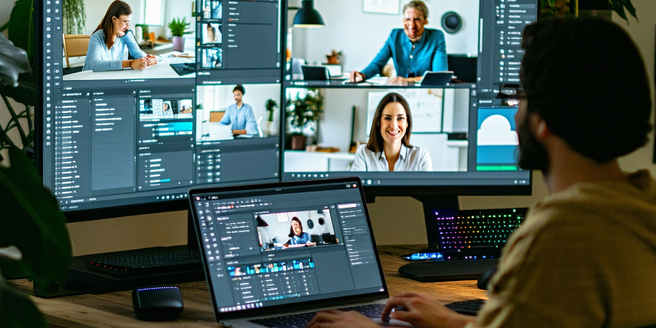
Remote Work Technologies
The evolution of remote work tools has revolutionized global professional operations, transitioning from simple email systems to advanced, integrated platforms that enhance productivity and communication. Cloud computing, video conferencing, and seamless tool integrations have become pivotal, especially accelerated by the pandemic. Key communication platforms like Slack, Microsoft Teams, and Zoom facilitate virtual team interactions, offering robust features for messaging, video calls, and team collaboration. Project management software such as Asana and Trello, which offer task organization and progress tracking features, have become essential for maintaining productivity in remote settings. As remote work becomes more prevalent, cybersecurity measures are critical, with secure VPNs, two-factor authentication, and encrypted communication tools helping to safeguard data. Looking forward, emerging trends in remote work technologies continue to redefine the virtual workspace, emphasizing efficiency, security, and collaboration.

Sustainable Practices In Home Offices
Sustainability in home offices is essential as remote work continues to rise. By implementing eco-friendly practices, individuals can create healthier and more sustainable workspaces. Key strategies include adopting energy-efficient equipment with Energy Star ratings, using LED lighting, and opting for eco-friendly office furniture made from sustainable materials like bamboo or reclaimed wood. Reducing paper waste through digital tools, cloud storage, and recycling further supports a greener office. Additionally, a green cleaning routine using natural products enhances air quality and reduces environmental impact. These efforts not only reduce the carbon footprint but also contribute positively to environmental conservation, promoting a sustainable future for remote work environments.

Personal Data Security Devices
In the digital age, personal data security has become essential to protect sensitive information from breaches and cyberattacks. Personal data security devices provide a defense against unauthorized access, safeguarding privacy and data integrity. Popular devices include hardware security keys, encrypted USB drives, and secure routers. Selecting the right device involves assessing the intended use, security needs, compatibility, and budget. Proper installation and regular updates are crucial for optimal performance, while ongoing maintenance ensures devices remain effective against evolving cyber threats. Investing in reliable security measures not only prevents data loss but also provides peace of mind and compliance with privacy regulations.

Digital Transformation Strategies
Digital transformation hinges on several core components, including the integration of advanced technologies such as cloud computing, artificial intelligence, and big data analytics to enhance efficiency and drive innovation. Cultural shifts within organizations are essential, promoting agility, continuous learning, and adaptability. A clear strategy that aligns with organizational goals, backed by effective leadership, is critical for successful transformation. Enhancing customer experience through personalized digital interactions and measuring the impact of digital initiatives to refine strategies are vital for success. Aligning business goals with digital initiatives ensures targeted digital investments, fostering stakeholder collaboration for a cohesive strategy. Overcoming challenges like resistance to change and integration of legacy systems requires a culture of learning and modern IT infrastructure. Technology enhances customer experience through data analytics, personalized communication, and seamless user-friendly platforms. Regular evaluation of digital solutions ensures alignment with customer expectations. Measuring success with key metrics helps organizations assess and adapt strategies to optimize digital transformation efforts.

5g Network Expansion
5G technology, the fifth generation of mobile networks, offers enhanced speed, lower latency, and higher capacity compared to earlier generations. It operates on low, mid, and high-frequency bands, each suited for different coverage and speed demands. The expansion of 5G networks brings substantial benefits, such as faster connectivity, support for AR/VR, and enhanced IoT capabilities, which drive innovation in sectors like healthcare, automotive, and manufacturing. However, challenges like high deployment costs and technical complexity hinder its widespread adoption. Despite these hurdles, 5G is poised to revolutionize industries and everyday life by supporting telemedicine, autonomous vehicles, smart factories, and smart cities. As 5G technology evolves, future prospects are bright, with advancements in network performance and opportunities for integration with AI and machine learning, paving the way for innovative applications and economic growth.

Cloud-based Software For Remote Sales
Understanding cloud-based solutions is crucial for modern sales teams, offering flexibility for remote work, real-time collaboration, and reduced infrastructure costs. Key features of effective sales software include user-friendly design, CRM integration, data analytics, and secure communication. Cloud technology enhances sales operations by providing accessible resources, automating routine tasks, and ensuring secure data storage. Top tools include CRM platforms like Salesforce and HubSpot, project management tools such as Trello, and communication platforms like Slack. Looking ahead, cloud-based sales platforms will integrate AI, IoT, and enhanced data security for improved decision-making and seamless operations.

Premium Noise-canceling Models
Noise-canceling technology enhances auditory experiences by reducing unwanted ambient noise using active noise control. This is crucial in environments like airplanes and busy offices. Premium noise-canceling headphones offer features such as adaptive sound control, improved battery life, and superior comfort. Key factors when selecting headphones include sound quality, durability, and smart features like touch controls and voice assistant integration. Leading brands like Bose, Sony, Sennheiser, and Bang & Olufsen dominate the market, each offering unique strengths. Investing in high-end models ensures exceptional audio, durability, and comfort. Choosing the right headphones requires evaluating personal needs, usage scenarios, and preferred features.

Reliable Vpn Services
Understanding VPN technology is crucial for enhancing online privacy and security. VPNs encrypt internet traffic and mask IP addresses, allowing users to access restricted content and protect sensitive data. The importance of VPNs has increased with remote work trends, offering secure connections and preventing data breaches. Key features in a reliable VPN include strong encryption, no-log policies, and a broad server network. Top providers like ExpressVPN and NordVPN are recognized for performance and security. Choosing the right VPN involves evaluating security needs, budget, and ease of use. Despite common issues like connectivity problems and slow speeds, troubleshooting can enhance VPN performance for a secure experience.

Home Office Layouts That Enhance Ergonomics
Ergonomic design optimizes products for human use, especially important in home offices. By focusing on adjustable chairs and desks, proper monitor placement, and supportive furniture, ergonomic principles enhance comfort, reduce strain, and prevent long-term injuries. Strategic desk and chair arrangements improve posture and focus, while good lighting minimizes eye strain and fatigue. Incorporating technology like dual monitors and wireless accessories facilitates a seamless workflow. Personalizing your space with plants and art should complement ergonomic standards for a productive and inviting environment. Embracing ergonomic designs enhances productivity, efficiency, and well-being for extended home office work.

Graphic Tablets: Wacom Vs Huion
Wacom and Huion are notable brands in the digital art space, each offering unique strengths. Wacom is known for sleek, durable designs with premium materials, offering ergonomic styluses for long-term use. Huion delivers sturdy build quality with a focus on details and improved stylus designs. On drawing performance, Wacom leads in pen sensitivity and tilt recognition, though Huion offers comparable pressure levels at a budget-friendly price. Wacom provides extensive software compatibility and bundled programs, while Huion focuses on reliable, core functionality. In terms of pricing, Huion is cost-effective, appealing to budget-conscious artists without sacrificing performance, though Wacom's advanced features justify its higher price. Wacom excels in customer support, offering comprehensive services and extended warranties, while Huion continues to enhance its support network. Overall, Wacom offers professional-grade reliability, while Huion provides value for those seeking affordability and functionality.

Virtual Reality In Entertainment
Virtual reality (VR) has significantly evolved in gaming, film, live events, social interaction, and entertainment venues, transforming these domains into immersive experiences. In gaming, VR has progressed from basic graphics to lifelike worlds, aided by advancements in headsets like Oculus Rift and HTC Vive, enabling novel gameplay and multiplayer environments. The film industry leverages VR for immersive storytelling, offering 360-degree views that enhance traditional narratives and evoke emotions. VR also revolutionizes live events by providing front-row concert experiences remotely, increasing accessibility and audience reach. In social interaction, VR fosters real-time connections within virtual spaces that mimic real-world settings or imaginative environments, enhancing personal and professional networking opportunities. VR arcades and theme parks offer unique experiences, combining premium equipment with hybrid attractions for immersive and interactive entertainment, appealing to groups and thrill-seekers seeking new adventures.