
Digital Talent Management
Digital talent management is crucial for organizations aiming to thrive in a digital economy. This approach focuses on attracting, developing, and retaining skilled employees, adapting to the demands of digital transformation. Core strategies involve comprehensive recruitment, continuous learning, and talent optimization, emphasizing agility and adaptability over traditional career paths. With rising demand for digital skills, successful management requires collaboration between HR and other departments to align talent with strategic goals. Attracting digital talent involves crafting appealing employer branding, offering flexible work arrangements, and leveraging social media for outreach. Implementing technology in talent acquisition enhances efficiency through AI-driven tools and virtual processes. Nurturing a digital-ready workforce involves creating a culture of continuous learning and providing opportunities for skill enhancement. Effective retention strategies include offering career advancement, fostering a positive workplace culture, and recognizing employee contributions. Organizations prioritizing digital talent are better positioned for long-term success.

Hard Drive Storage Capacity
Understanding hard drive units is crucial for assessing storage capacity, from bytes to terabytes, catering to growing data demands. The comparison between HDDs and SSDs outlines differences, with HDDs being more cost-effective and SSDs providing speed and reliability. Factors such as disk size and data density influence storage capacity, whereas environmental conditions affect longevity. Right-sizing storage depends on individual data needs, balancing capacity, speed, and cost. File types impact storage, with uncompressed formats taking more space than compressed ones. Future trends in storage technologies, including advancements in magnetic recording and SSD improvements, along with cloud integration, are pivotal in meeting future data requirements effectively.

Cloud Storage Syncing Impact
Cloud storage syncing is vital for managing digital assets, enabling access to the latest file versions across devices, and enhancing productivity by eliminating data discrepancies. The evolution of cloud technologies has shifted from basic storage to advanced systems that support real-time collaboration and app integration, fundamentally changing digital data management. Seamless data synchronization offers significant benefits, such as enhanced mobility, reliability, and collaboration, while optimizing workflows. However, challenges like bandwidth dependency, compatibility issues, and security concerns persist, necessitating robust strategies to mitigate risks. Ensuring data security involves implementing encryption, strict authentication, and regular audits to protect against breaches and unauthorized access. Businesses and individuals must stay vigilant and adopt best practices to maximize the potential of cloud sync solutions.

Ai Health Predictions
Artificial Intelligence (AI) is revolutionizing healthcare prediction models by analyzing large datasets and identifying patterns that may be overlooked by human researchers. This capability enhances early diagnosis, personalized treatment plans, and efficient healthcare delivery. AI significantly improves diagnostic accuracy and operational efficiency, while also enabling personalized healthcare recommendations. Despite its advantages, AI faces challenges such as data privacy, collaboration between tech developers and healthcare professionals, and ensuring data quality and transparency. Recent technological advances, including machine learning in genomics and natural language processing, are paving the way for precision medicine and improved healthcare outcomes. Looking ahead, AI's integration in healthcare promises to advance diagnosis, treatment, and management, facilitating remote monitoring, decentralized trials, and telemedicine to broaden global access.

Blockchain In Supply Chain
Blockchain technology, renowned for its decentralization and security, serves as a robust digital ledger used across numerous industries. It eliminates the need for intermediaries, enhances transparency, and mitigates fraud risks through cryptography and consensus algorithms. In the supply chain sector, blockchain enhances transparency and traceability, allowing real-time access to data and streamlining operations with smart contracts. This leads to cost savings and improved competitiveness. Notable examples include Maersk's TradeLens and Walmart's food traceability systems. Despite its advantages, blockchain adoption faces challenges such as high implementation costs, scalability issues, and evolving regulatory landscapes.
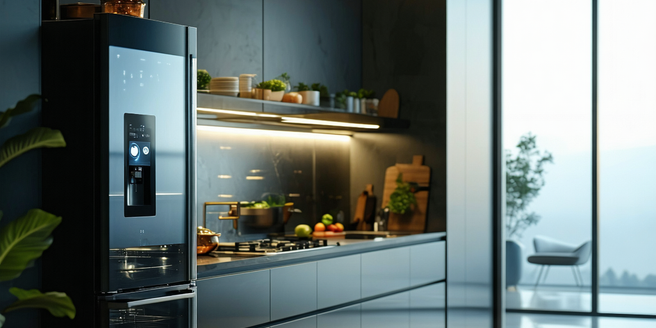
Home Appliances: Convergence With Smart Tech
Explore the evolution of smart home appliances and discover features driving this trend. From standalone devices to interconnected systems, advances in IoT technology have transformed appliances, enhancing functionality and incorporating them into smart home ecosystems. Key features like remote connectivity, energy management, and AI-driven personalization are fueling smart appliance adoption. These devices not only improve efficiency but also boost convenience by simplifying daily tasks such as preheating ovens remotely or monitoring fridge contents via smartphone. The importance of energy efficiency is also emphasized through smart technology, offering real-time energy tracking and optimized usage. Integration within smart homes is critical, with connectivity standards ensuring seamless communication and compatibility across platforms like Apple HomeKit and Amazon Alexa. Smart appliances present an attractive option for those seeking to enhance their living environment with modern, environmentally-conscious solutions.

Noise-canceling Headphones With Ergonomic Design
Noise-canceling headphones offer significant benefits by reducing unwanted ambient sounds, enhancing audio focus and quality in various environments like airplanes and offices. They work by countering external noises with opposing sound waves, contributing to improved concentration, relaxation, and mental health. Ergonomic design features, such as adjustable headbands and cushioned ear pads, ensure long-term comfort during use. Top brands like Bose, Sony, and Sennheiser provide models with advanced noise-canceling technology and unique features. Choosing the right headphones involves considering primary use, comfort, sound quality, and budget. Proper maintenance, including careful storage, cleaning, and handling, extends their lifespan, ensuring optimal performance over time.

Office Chair Selection
Enhance your workplace comfort and efficiency with ergonomic office furniture. Discover the importance of ergonomics in reducing discomfort and boosting productivity, focusing on key features like adjustable chairs and proper desk setups. Explore various office chair types, from task and executive to conference and drafting chairs, and find the perfect fit for your needs. Consider materials such as breathable mesh, luxurious leather, and colorful fabrics that balance aesthetic and durability. Prioritize adjustability, including customizable seat height, armrests, and lumbar support, to ensure comfort for all workstyles. Even with a limited budget, you can find quality chairs offering essential ergonomic benefits. Shop smart and enhance your workspace without compromising on health or comfort.

Customizable Settings In Noise-canceling Headphones
Optimize your website's SEO by highlighting key features of modern noise-canceling headphones, focusing on user-friendly customization and technology advancements. Emphasize the importance of understanding noise-canceling technology, which utilizes microphones and sound waves to minimize ambient noise, enhancing audio immersion. Explain the difference between active and passive noise-canceling and how users can adjust settings for optimal audio experiences in various environments. Discuss the significance of adjusting ambient sound levels to maintain situational awareness, which is crucial for safety. Highlight the role of equalizer settings in personalizing sound output, offering users the ability to customize bass, treble, and overall sound quality to their preferences. Touch on configuring touch controls for ease of use, ensuring seamless interaction through intuitive gestures. Address battery management, showcasing how customizable settings can help monitor power consumption and extend battery life. Finally, mention the value of companion apps for personalizing listening experiences, providing a centralized platform for adjusting audio features, noise-canceling levels, and touch controls. This comprehensive approach caters to users seeking tailored audio experiences through cutting-edge headphone technology.
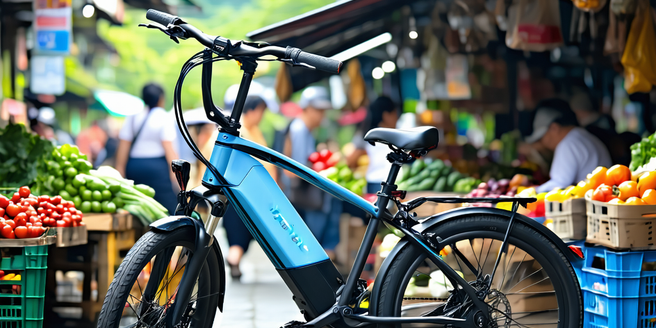
Electric Bikes For Eco-friendly Commuting
Electric bikes offer numerous environmental benefits, being emission-free and energy-efficient alternatives to cars. They help reduce carbon footprints, ease road congestion, and support green initiatives by promoting cleaner air and quieter surroundings. An electric bike functions through a combination of a battery-powered motor and traditional pedaling, offering versatile transportation suitable for diverse needs. They combine the advantages of traditional bicycles with modern technology, making them a cost-effective and eco-friendly commuting solution compared to cars. Choosing the right electric bike for urban commuting involves considering range, battery capacity, motor power, and additional features like integrated lights and racks. Proper maintenance, including battery care and regular cleaning, ensures optimal performance and longevity, making e-bikes a sustainable choice for personal transportation.

Tech Solutions For Urban Planning
GIS tools, smart city technologies, AI, IoT, and public engagement platforms are transforming urban planning and city management. GIS provides spatial data analysis for sustainable development, while smart technologies enhance urban mobility by optimizing traffic flow and reducing congestion. AI offers data-driven insights for efficient and responsive urban development. IoT connects devices for improved infrastructure management. Sustainable urban planning leverages technology for eco-friendly cities, utilizing renewable energy and green building solutions. Public engagement platforms enable better interaction between citizens and planners, aligning development with community needs. These innovative tools are essential for creating livable, efficient, and resilient cities in the face of rapid urbanization and climate change.
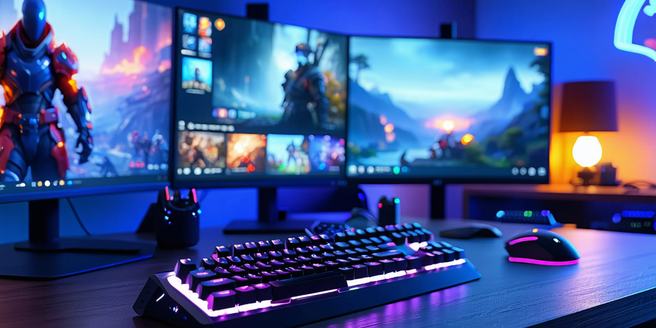
Mouse And Keyboard Combos
Using a mouse and keyboard combo enhances productivity and ergonomic comfort due to smooth navigation and quick typing. Combos often come with programmable keys and shortcuts, streamlining workflows and improving gaming experiences. They minimize desk clutter and eliminate tangled cables, offering mobility and adaptability. Choosing the right combo involves considering usage needs, such as gaming or professional work, and preferences like connectivity or keyboard type. Top brands like Logitech, Razer, Microsoft, and Corsair cater to diverse preferences. Proper setup and troubleshooting ensure optimal performance, while customization enhances efficiency for an ideal computing experience.