
Mindful Eating Apps For Healthier Choices
Explore the benefits of mindful eating through a modern lens, rooted in ancient mindfulness practices. Emphasizing the importance of being present during meals, mindful eating helps individuals recognize their hunger cues and develop a healthier relationship with food, focusing on quality over quantity. In our fast-paced world, mindful eating apps serve as valuable tools, offering features like mindful moment tracking, guided meditations, and personalized insights to enhance eating habits. Popular apps such as Mindful Eating Coach and Eat Right Now provide unique features and community support to help users on their journey. Successfully integrating these apps into daily routines can lead to a more balanced lifestyle, promoting both physical and emotional well-being.

Posture Improvement Exercises
Good posture is essential for overall health, promoting even weight distribution and reducing muscle and joint strain. It enhances respiratory function, appearance, and can prevent spinal deformities and chronic pain. Common posture problems include forward head posture, rounded shoulders, swayback, and hyperkyphosis. Recognizing these issues can lead to effective exercises and lifestyle changes. Stretching exercises like chest openers and hip flexor stretches increase flexibility and reduce tension, while core strengthening exercises such as planks and bridges support the spine. Daily posture correction techniques, like maintaining proper sitting and standing positions, are crucial for ingraining good habits. Long-term benefits of posture improvement include reduced chronic pain, better breathing, improved digestion, enhanced mental focus, and overall increased confidence and social interaction.
Best Gadgets For Remote Work
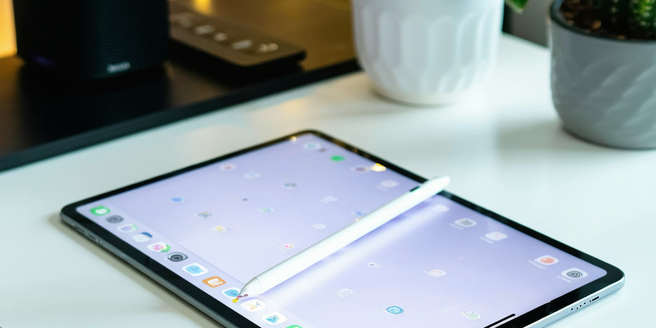
Optimize your remote work setup with essential ergonomic desk accessories, communication tools, virtual collaboration tech, productivity-boosting software, portable devices, and smart gadgets. Invest in adjustable monitor stands and ergonomic chairs for comfort, and equip your office with must-have tools like video conferencing apps, instant messaging platforms, and project management software for seamless team communication. Enhance virtual collaboration with reliable technology, including high-quality webcams and cloud-based solutions. Boost productivity with task management apps and automation tools. For on-the-go professionals, portable devices like lightweight laptops and noise-cancelling headphones are indispensable. Elevate your home office with smart gadgets such as smart speakers and lighting systems, creating a workspace that enhances both convenience and efficiency.

Work-life Balance Tips
Achieving work-life balance is vital for mental health and overall well-being, fostering productivity, morale, and job satisfaction. By defining boundaries and prioritizing tasks, individuals enhance their lifestyle and relationships while growing personally and professionally. Effective time management, using methods like the Eisenhower Box, helps prioritize tasks, leading to a fulfilling life. Setting clear boundaries between work and personal life prevents burnout, encourages relaxation, and strengthens relationships. Incorporating flexibility in daily routines accommodates personal needs, reducing stress and boosting productivity. Practicing self-care, including exercise and mindfulness, sustains energy and focus, ensuring long-term success and personal fulfillment.

Skill Development Opportunities
Understanding your learning style is essential for maximizing skill development. Whether visual, auditory, or kinesthetic, identifying your style helps tailor learning approaches and enhances information retention. Online platforms like Coursera, edX, and Udemy offer flexible courses from top institutions, while LinkedIn Learning and Skillshare focus on career-specific skills. These platforms democratize education, providing accessible learning options. Workshops and seminars offer interactive environments, hands-on experiences, and networking opportunities, keeping you updated with industry trends. Mentorship provides insights and guidance, helping navigate career paths and opening new opportunities through professional networks. Creating a personalized skill development plan involves setting clear goals, assessing current skills, and incorporating diverse learning methods. This strategic approach ensures continuous personal and professional growth.
Inspirational Work-from-home Spaces
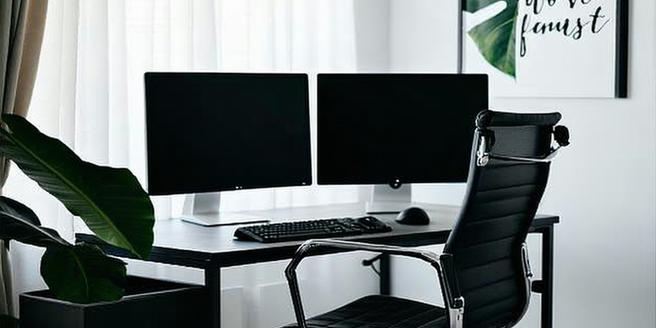
Creating an inspiring workspace is essential for enhancing creativity and productivity, particularly for those working from home. Incorporating personal touches, effective organization, natural light, greenery, and color psychology can significantly improve the ambiance and functionality of a home office. Utilize creative storage solutions, maximize natural light, and integrate plants for a calming effect. Choose colors that align with your work goals to influence mood positively. Personalization doesn't have to be costly; repurpose existing items and consider budget-friendly decor to make your workspace uniquely yours. An inspiring workspace supports both personal and professional aspirations, fostering a productive and welcoming environment.

Home Office Setup
Choosing the right home office location is crucial for maximizing productivity. Opt for spaces with minimal distractions, good natural lighting, and proper ventilation. Ergonomic furniture is key; prioritize chairs and desks with adjustable features to support posture and comfort. Tech tools like high-resolution monitors, reliable internet, and noise-cancelling headphones enhance efficiency. Lighting, both natural and adjustable, impacts mood and concentration; use LED bulbs and consider smart lighting systems. Maintaining a clutter-free environment with effective organizational strategies, such as filing systems and cable management, ensures focus and efficiency. Personalizing and decluttering your workspace creates an inviting atmosphere, contributing to a productive workflow.

Efficiency In Online Workshops
To create an effective workshop, it's essential to identify key elements such as a clear agenda, pre-workshop communication, and interactive components like discussions and breakout sessions. A diverse, inclusive environment and skilled facilitators enhance engagement and learning. In the virtual learning space, tools like Zoom, Miro, and Mentimeter, along with AI and learning management systems, are vital for effective delivery and engagement. Strategies for engaging online participants include active participation, multimedia tools, and storytelling techniques. Measuring workshop success involves predefined metrics, feedback, and regular content updates. Addressing challenges in digital workshops requires technology preparedness, varied content formats, and creating an inclusive environment.

Collaborative Networks For Neighbors
Community collaboration is crucial for creating supportive neighborhood networks that improve the quality of life for residents. Through joint efforts, such as community clean-ups and food-sharing initiatives, residents can effectively tackle local issues, strengthen social ties, share resources, and build resilience. Trust, inclusivity, and effective leadership are key components for successful neighborhood networks, along with clear objectives and flexible strategies to adapt to changing circumstances. Building strong networks involves identifying community leaders, setting clear goals, and fostering open communication through regular meetings and digital platforms. Technology, like messaging apps and online forums, plays a vital role in enhancing communication and engagement among residents. Successful neighbor networks result in transformative community impacts, from improving green spaces to enhancing safety and digital literacy. These efforts create a connected and cooperative community culture that fosters ongoing mutual aid and support.

Workstation Personalization
Personalizing your workstation can transform your work environment into an inspiring and comfortable space, enhancing motivation and productivity. Adding personal elements like soothing color schemes, artwork, or plants can reduce stress and improve mood. Choosing the right desk and chair is crucial for creating an ergonomic workspace, with adjustable options promoting circulation and reducing fatigue. Organize your layout for optimal productivity by keeping tools within reach and ensuring good lighting to reduce eye strain. Ergonomic accessories, such as wrist rests and monitor stands, prevent injury and improve posture, boosting focus and efficiency. Decorate with personal touches like photos and motivational quotes for inspiration, while maintaining a clutter-free environment to stay focused and efficient. Overall, a personalized and well-organized workstation supports your best work habits and enhances your work experience.
Remote Work Hacks For Better Performance
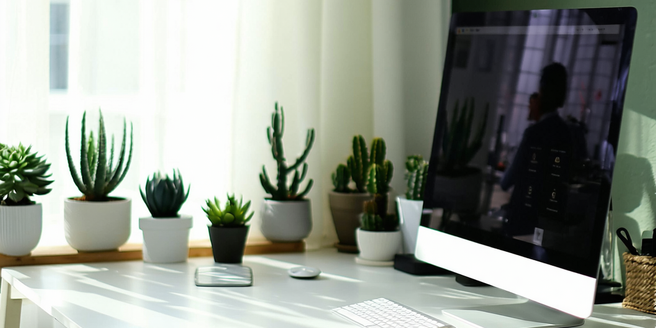
Creating a productive home office environment involves choosing a dedicated workspace, equipping it with comfortable furniture and essential tools, and maintaining a clutter-free area. Enhance comfort with ergonomic setups and use natural light to improve air quality. Time management for remote workers includes defining work hours, prioritizing tasks, and using digital tools for efficiency. Effective communication in remote work requires appropriate tools like Slack and Zoom, clear communication, and feedback encouragement. Balancing work-life involves setting boundaries and using technology to minimize disruptions. Leveraging technology, such as productivity apps and project management tools, is essential for improving efficiency. Regular assessments and adjustments of setups, schedules, and technology use are necessary to adapt to evolving work demands.

Healthy Work Habits
Balancing work and personal life is essential for reducing stress, preventing burnout, and enhancing job satisfaction. Effective time management and setting clear boundaries lead to happier, more productive employees. Employers can boost work-life balance by promoting flexible schedules and respecting personal time. Good posture at desks prevents discomfort and boosts productivity. Proper ergonomic setups, along with regular movement and breaks, reduce fatigue and enhance focus. Stress-free work environments, characterized by open communication and team-building activities, improve employee satisfaction. Implementing wellness programs and encouraging physical activity at work further promote health and creativity. By prioritizing these practices, organizations can create a supportive and efficient workplace culture.