Compact Weather Stations
Understanding the Purpose of Compact Weather Stations
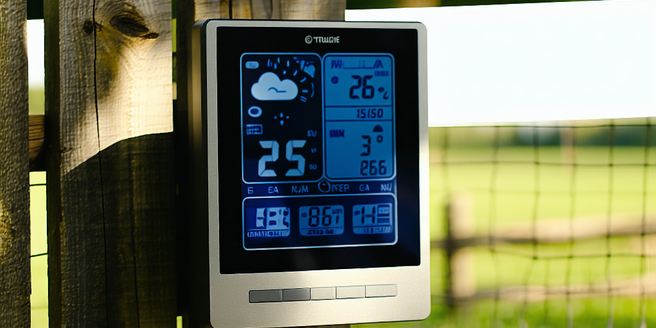
Compact weather stations play a critical role in providing localized weather data by integrating multiple sensors into a single unit. These devices are crucial for areas where access to large-scale weather service information might be limited. They offer real-time data for temperature, humidity, wind speed, and more, which is valuable for farmers, researchers, and hobbyists. Understanding their purpose involves recognizing their ability to enhance decision-making in agriculture, construction, and disaster management. By capturing microclimate conditions, compact weather stations aid in predicting weather patterns and preparing for extreme conditions. Their portable design makes them suitable for remote locations, enabling diverse applications across various fields. Hence, they serve as vital tools for communities seeking tailored weather insights.
Key Features to Look for in a Compact Weather Station
When selecting a compact weather station, certain features enhance functionality. Accuracy and range of sensors are paramount; ensure the station measures temperature, humidity, wind speed, and precipitation accurately. Wireless connectivity allows real-time data access and integration with apps or networks. Look for user-friendly interfaces with clear displays or smartphone syncing. A robust build ensures durability in harsh weather, while solar power or battery operation provides energy flexibility. Additional features like UV index sensors can benefit specific needs. Evaluate installation requirements to align with your location’s characteristics, considering ease of assembly. Coverage area is crucial in determining the station’s effectiveness, ensuring it meets the spatial demands of the environment. Opt for stations that offer seamless updates for sustained performance.
Installation and Maintenance Tips for Optimal Performance
Proper installation and maintenance of compact weather stations are crucial for accurate data. Position the station in an area free from obstructions like buildings or trees to ensure sensor reliability. Mount it securely at an appropriate height to capture accurate readings, away from surfaces that may reflect heat or disrupt wind flow. Regular maintenance involves cleaning sensors and checking alignments. Protect the unit from weather extremes and insects by using covers or shields if necessary. Calibrate sensors periodically and update firmware to keep the station running smoothly. Monitor battery or power supply levels, replacing or recharging as needed. Finally, document installation procedures and maintenance schedules to ensure consistent performance over time, making adjustments based on annual weather patterns or infrastructure changes.
Comparing Popular Compact Weather Stations on the Market
Surveying the market for compact weather stations reveals several top contenders. Brands like Davis Instruments, AcuRite, and Ambient Weather are renowned for reliability and feature-rich offerings. Davis Instruments excels with an emphasis on precision and durability, ideal for professional use. AcuRite offers affordable models with comprehensive app integration, catering to casual users. Ambient Weather distinguishes itself with robust connectivity options and extensive sensor arrays, suiting tech-savvy consumers. Consider the range of environmental measurements each station supports, along with ease of setup and data management capabilities. Comparing these facets alongside pricing helps identify the best fit for both budget and needs, whether for personal use, agricultural monitoring, or educational purposes, empowering users to make informed choices in their weather tracking endeavors.
Real-Life Applications and Benefits of Compact Weather Stations
Compact weather stations have diverse real-life applications that significantly impact various sectors. In agriculture, they guide crop management decisions by providing localized weather data, enhancing yield and sustainability. Educational institutions use them for hands-on learning experiences in meteorology, connecting students with real-world data collection and analysis. In urban planning, they assist in microclimate monitoring for designing climate-resilient infrastructure. Additionally, outdoor enthusiasts and environmental researchers rely on them for accurate weather forecasts in remote or specific locations. These stations’ real-time data enables proactive responses to severe weather, mitigating risk and damage. By supplying tailored weather insights, compact weather stations empower users with actionable information, fostering smarter, data-driven decisions across multiple disciplines, ultimately promoting safety and efficiency.