Hybrid Work Models
Defining Hybrid Work Models: An Overview
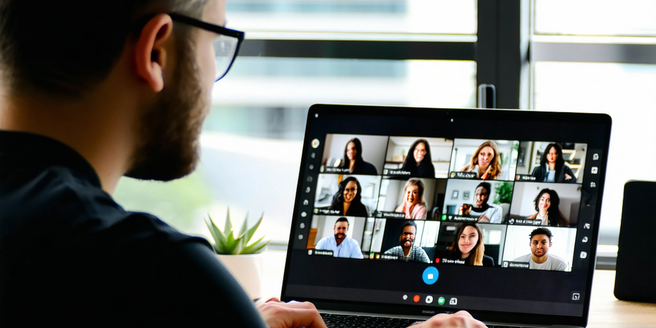
Hybrid work models blend on-site and remote work, allowing employees the flexibility to choose where they work based on their tasks and needs. This model offers the benefits of flexibility and autonomy while retaining the advantages of traditional office interactions. Businesses adopting hybrid work models need to clearly define expectations, specify which roles are suitable for remote work and create guidelines that ensure productivity and collaboration. A successful hybrid work model requires communication tools, effective management practices, and a culture that supports remote work. Such an approach empowers employees to tailor their work-life balance while maintaining optimal productivity, and it allows organizations to attract talent from a broad geographic area.
Benefits of Adopting a Hybrid Work Model
Adopting a hybrid work model brings numerous benefits to organizations and employees alike. It offers flexibility, reduces commuting time, and helps maintain better work-life balance for employees. Organizations can reduce office space costs and access a broader talent pool unrestricted by geographic location. This model can also improve employee productivity and satisfaction by allowing individuals to work in environments that best suit their needs. Moreover, hybrid work enables businesses to maintain continuity during disruptions, such as pandemics or natural disasters. However, to fully realize these benefits, it’s essential for businesses to invest in technology, foster a strong organizational culture, and ensure effective communication and collaboration tools are in place.
Challenges and Solutions in Hybrid Work Environments
While hybrid work models offer many advantages, they also present challenges that need addressing. One primary issue is ensuring equitable access to resources and opportunities regardless of an employee’s location. Communication gaps can arise if remote employees miss out on informal office interactions. To overcome these challenges, companies should implement robust digital communication tools and protocols. Regular virtual meetings and updates can ensure everyone stays informed and feels included. Providing necessary technology and creating an inclusive culture are essential steps. Moreover, managers need to be trained on managing hybrid teams effectively to mitigate potential biases toward in-office staff and ensure fair performance evaluations.
Technologies Enabling Hybrid Work Models
Technologies are crucial to enabling hybrid work models by facilitating communication, collaboration, and productivity. Cloud-based platforms like Microsoft Teams, Slack, and Zoom have become backbone tools for many organizations, allowing seamless remote interactions. Virtual Private Networks (VPNs) and secure access service edge solutions ensure secure access to company resources from any location. Project management software such as Asana or Trello helps keep track of tasks and deadlines across dispersed teams. Furthermore, artificial intelligence can automate and enhance various functions like scheduling or data analysis, boosting overall efficiency. Adopting the right mix of these technologies enables businesses to create a flexible, secure, and effective hybrid work environment.
Creating a Successful Hybrid Work Culture
Creating a successful hybrid work culture requires intentional effort from management to cultivate trust, transparency, and inclusivity. Clear communication of goals and expectations is vital, along with frequent feedback loops to keep employees engaged. Equipping leaders with training to manage hybrid teams effectively can bridge the gaps between remote and on-site staff. Encouraging regular virtual team-building activities and informal check-ins can sustain interpersonal connections and teamwork. Moreover, recognizing and celebrating diversity in work styles and personal obligations will foster an environment of respect and empathy. A thriving hybrid work culture is rooted in flexibility, where each employee feels valued and empowered to perform at their best.
Future Trends in Hybrid Work Models
The future of hybrid work models is likely to see even greater integration of technology and flexibility. The development of virtual and augmented reality may create immersive working environments that mimic the office experience from afar. Companies are expected to increasingly adopt AI-driven tools to enhance productivity and personalize work experiences. As the demand for work-life balance continues to rise, businesses may offer more diverse benefits tailored to individual needs, from mental health support to ergonomic home office setups. Simultaneously, the role of physical office spaces will evolve to serve as hubs for collaboration and innovation, rather than daily workspaces. This shift will necessitate ongoing adaptation and a focus on cultural cohesion and technological readiness.