Portable Power Banks
Understanding Different Types of Power Banks
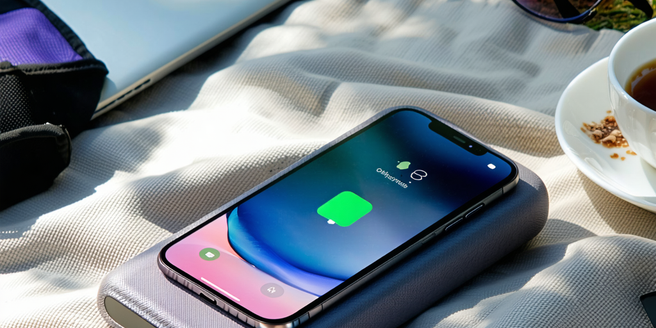
There are several types of power banks available that cater to different needs. The most common type is the standard Lithium-Ion power bank, known for its durability and reliability. Recently, some power banks have started featuring wireless charging capabilities, adding an extra layer of convenience. For those who require rapid charging, Quick Charge power banks utilize advanced technology to decrease charging time. Then there are Solar power banks, which are eco-friendly and perfect for outdoor adventures. Ultra-compact power banks fit easily into a pocket or purse, ideal for those who prioritize portability above all else. Knowing the distinctions between these types helps users make informed decisions about which power bank best suits their lifestyle and device requirements.
How to Choose the Right Power Bank for Your Needs
Selecting the right power bank involves several considerations. Start with the capacity, measured in milliamp-hours (mAh), to ensure it meets your device’s power needs. Consider the number of charging ports, especially if you plan to charge multiple devices simultaneously. Don’t forget to assess compatibility with your device’s charging standards to optimize performance. Evaluate the size and weight, as heavier models might be impractical for daily carry. It’s also important to check the charging speed, as fast charging can significantly reduce waiting time. Look into additional features like built-in cables, LED indicators, and durability, especially if you expect rough handling or exposure to elements. Ultimately, match your selection with your specific usage patterns to make the best choice.
Top Features to Look for in a Portable Power Bank
When evaluating portable power banks, several features can elevate your experience. Consider power banks with fast charging capabilities, as they reduce downtime significantly. It’s wise to read reviews from other users to gain insight into the real-world performance of the power bank. Multiple output ports, including USB-C, allow for flexible device connections and simultaneous charging. An LED display can provide a clear indication of the remaining power. It’s also important to look at the power bank’s capacity to ensure it meets your device’s needs. Built-in protection like overcharge and short circuit prevention ensures user safety and device longevity. Additionally, wireless charging options offer added convenience by eliminating the need for cables. Prioritizing these features will help you purchase a power bank that optimally fits your needs.
Maintenance Tips for Long-lasting Power Banks
For your power bank to last, proper maintenance is key. Make sure to charge it fully at least every three months to avoid complete discharge, which can harm the battery. Store it in a cool, dry place when not in use, as extreme temperatures can degrade its performance. Additionally, remember to periodically check the manufacturer’s guidelines for specific care instructions. It’s also advisable to avoid overcharging the power bank as it can lead to battery swelling. Use the original or a high-quality cable to charge it, reducing the risk of damage. Regularly inspect for physical damages such as cracks or leaks, and discontinue use if any are found to ensure safety. By following these practices, you extend the lifespan of your power bank.
The Future of Portable Charging Technology
The evolution of portable charging technology is shifting towards more efficient and environmentally conscious solutions. Wireless charging, once rudimentary, is rapidly advancing with lower energy losses and faster speeds. With the increasing demand for mobile devices, the need for swift and reliable charging options has never been more crucial. As technology progresses, consumers are looking for solutions that are both sustainable and effective. Growing use of graphene batteries could significantly enhance energy density, leading to lighter and more powerful power banks. Integration with solar energy harvesting allows for self-sufficient charging solutions, reducing reliance on electrical outlets. Furthermore, AI technology is being employed for smart energy management systems, optimizing charging processes and prolonging battery life. Together, these innovations promise to redefine the mobile charging landscape.