Drone Advancements
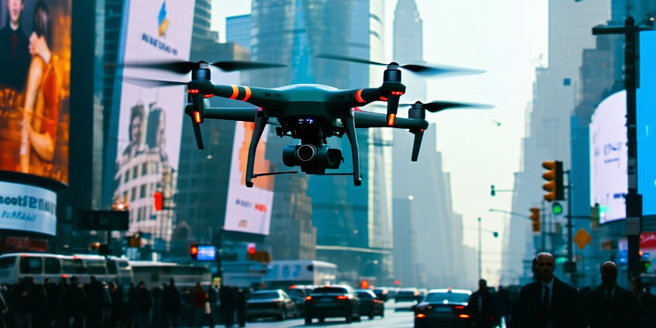
The Evolution of Drone Technology
Over the past decade, drone technology has evolved significantly, transitioning from simple remote-controlled toys to advanced unmanned aerial vehicles (UAVs) with a plethora of applications. Initially, drones were primarily used for military operations, offering an efficient and safer method of conducting reconnaissance and surveillance. However, technological advancements have enabled the expansion of drone capabilities into civilian sectors, such as agriculture, photography, and delivery services. The introduction of improved sensors, GPS stabilization, and real-time data transmission has expanded the versatility of drones, making them a valuable tool in various fields. As regulations adapt to this rapid progress, drones continue to push boundaries, showcasing their potential to revolutionize industries and transform how tasks are performed, ultimately shaping a new era of aerial technology.
Cutting-Edge Features in Modern Drones
Modern drones are equipped with a range of cutting-edge features that enhance their functionality and user experience. One of the most prominent advancements is the integration of high-resolution cameras, enabling stunning aerial photography and videography. Additionally, many drones now include obstacle avoidance systems, employing sensors and advanced algorithms to detect and navigate around obstacles in real time. Intelligent flight modes, such as follow-me and waypoint navigation, allow for autonomous operations, providing users with greater flexibility and creativity. The incorporation of AI and machine learning further enhances drone capabilities, enabling functions like object recognition and dynamic tracking. Long battery life and increased range also contribute to the extended usability of these state-of-the-art drones, solidifying their role as essential tools for both enthusiasts and professionals alike.
Impact of Drones on Various Industries
Drones have significantly impacted various industries by providing innovative solutions and improving efficiency. In agriculture, drones are used for precision farming, offering real-time data on crop health, irrigation needs, and pest control, ultimately leading to increased yields. In the construction industry, drones facilitate site surveys, monitor progress, and inspect infrastructure while reducing time and labor costs. The film and photography sectors have seen a revolution with drones capturing breathtaking aerial footage previously impossible or too expensive. Drones are also transforming the logistics industry, with companies exploring drone deliveries for efficient and rapid transportation of goods. Furthermore, in disaster management, drones play a critical role in surveying affected areas, aiding rescue efforts, and delivering essential supplies. Overall, the adaptability of drones has made them an indispensable asset across multiple domains.
Regulatory Challenges and Opportunities
The rapid growth of drone technology presents both regulatory challenges and opportunities. Authorities worldwide face the task of developing comprehensive regulations that ensure safety and privacy while fostering innovation. Key challenges include creating standardized guidelines for drone operation, establishing no-fly zones, and integrating drones into existing airspace systems without compromising safety. Privacy concerns also arise, as drones equipped with cameras can inadvertently invade personal spaces. However, these challenges offer opportunities to enhance regulatory frameworks by promoting collaboration between government bodies, industry stakeholders, and the public. By implementing clear guidelines and developing technologies such as remote identification, regulators can balance safety with innovation. Addressing these challenges proactively will enable the safe integration of drones into society, ultimately unlocking their full economic and social potential.
Consumer Trends in Drone Usage
Consumer interest in drones has soared, leading to evolving trends in usage and preferences. Initially captivated by the novelty of aerial photography, consumers now seek drones that offer advanced features like live streaming, 4K video capabilities, and easy-to-use editing software. Portable and foldable drones have gained popularity for their convenience in travel. There is also a growing interest in racing drones, which cater to thrill-seekers looking for high-speed and competitive flying experiences. Environmental sustainability has become a concern, prompting a demand for drones that are energy-efficient or powered by alternative energies. Educational applications are also on the rise, with drones being used as effective tools for teaching STEM concepts. As technology improves, consumers will continue to drive trends, seeking drones that seamlessly integrate into their lifestyles while offering innovative applications.
Future Predictions for Drone Innovations
Looking ahead, the future of drone innovations promises exciting developments and transformative impacts. As technology advances, we anticipate drones becoming more autonomous, with AI-powered navigation systems enabling fully autonomous flights even in complex environments. Improvements in battery technology will likely extend flight times, allowing for more prolonged and extensive operations. Swarming technology, where multiple drones work cohesively, could revolutionize fields such as agriculture and aerial surveys. Additionally, the integration of drones with smart cities and IoT networks could enable real-time data monitoring and enhanced urban management. In the logistics sector, drones might redefine last-mile delivery solutions, providing faster and more efficient services. Ultimately, continuous innovation and collaboration among industry leaders, researchers, and regulators will drive the evolution of drones, ensuring they meet the dynamic needs of the future.