E-commerce And Drone Deliveries
The Rise of Drones in E-commerce
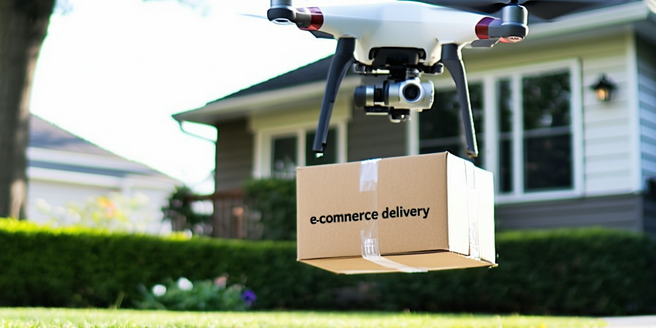
Drones have revolutionized e-commerce logistics, offering retailers faster and more efficient delivery options. As consumers increasingly demand quicker delivery times, drones provide a viable solution by bypassing traditional traffic and geographical barriers. By using drones, companies can reach remote locations with ease and ensure timely deliveries. E-commerce giants are investing significantly in drone technology to stay competitive in the rapidly evolving market. The integration of drones into supply chains not only enhances delivery speed but also reduces transportation costs, making goods more affordable for consumers. As drone technology advances, the potential to streamline last-mile delivery becomes even more promising, heralding a future where the fusion of e-commerce and drones creates unparalleled shopping experiences.
How Drone Technology Enhances Delivery Speed
Drone technology has the potential to drastically enhance delivery speeds by circumventing the limitations faced by traditional delivery vehicles. With the ability to fly over traffic, drones bypass congestion, ensuring timely arrivals. Their speed and agility allow them to make multiple deliveries in a short timeframe, maximizing efficiency. Companies like Amazon are piloting drone delivery systems that aim to deliver packages within 30 minutes. By reducing reliance on road networks, drones minimize delays and disruptions caused by traffic conditions. Moreover, advanced navigation systems enable drones to optimize delivery routes, further accelerating the process. As drone technology continues to evolve, its application in logistics will undoubtedly push the boundaries of what is possible in terms of speed and reliability.
Regulatory Challenges for Drone Deliveries
Regulatory challenges present significant hurdles for the widespread adoption of drone deliveries. Governments worldwide are grappling with establishing frameworks to ensure the safe integration of drones into airspace. Key concerns include privacy, security, and air traffic management. Regulators must balance innovation with public safety, prompting the development of comprehensive guidelines. Compliance with such regulations can be complex and costly for companies, impacting the pace of drone deployment. Moreover, diverse regulations in different countries complicate international drone operations. Efforts are underway to create standardized international rules, but progress is slow. As stakeholders collaborate, finding effective solutions that address safety while enabling innovation will be crucial for overcoming regulatory challenges and unlocking the full potential of drone deliveries.
The Impact of Drones on Customer Experience
Drones are set to redefine customer experience in e-commerce by offering unprecedented delivery speed and convenience. With drones, customers can receive their orders within hours, enhancing satisfaction and loyalty. Real-time tracking provides transparency, allowing customers to monitor their package’s journey from warehouse to doorstep. Moreover, drones facilitate deliveries in hard-to-reach areas, expanding accessibility for consumers in rural or remote regions. The novelty of drone deliveries also captures customer interest, creating a buzz that enhances brand image. However, companies must address potential privacy concerns and ensure positive interaction between drones and consumers. As e-commerce evolves, leveraging drone technology will be pivotal in delivering superior customer experiences, fostering a new era of retail.
Environmental Benefits of Drone Deliveries
Drone deliveries offer several environmental benefits that align with sustainability goals. By replacing traditional delivery vehicles, drones reduce carbon emissions associated with road transport. Their energy-efficient electric propulsion systems minimize environmental impact, contributing to cleaner air in urban areas. Additionally, drones can shorten delivery routes, leading to less energy consumption. As battery technology improves, the environmental footprint of drones will decrease further, augmenting their green credentials. Businesses adopting drone deliveries can benefit from enhanced sustainability branding while addressing consumer demand for eco-friendly practices. The reduction in fuel consumption and pollution places drones as a promising option in the pursuit of sustainable logistics. The rise of drone deliveries marks a crucial step forward in minimizing the environmental impact of e-commerce.
Future Trends in Drone Delivery Systems
As drone technology advances, several future trends in drone delivery systems are emerging. Automation will play a critical role, with autonomous drones becoming standard. Integration with AI and machine learning will enhance decision-making and efficiency in flight paths and delivery schedules. Swarm technology, where multiple drones collaborate, will optimize larger delivery operations. Improvements in payload capacity will expand the range of products delivered by drones, making them viable for heavier goods. Additionally, regulatory advancements will facilitate international drone delivery, boosting cross-border e-commerce. Innovations in drone design, such as quieter and more durable models, will improve urban integration. Companies investing in these trends will likely gain a competitive edge as the drone delivery landscape evolves, shaping the future of logistics and consumer convenience.