Sustainable Practices In Home Offices
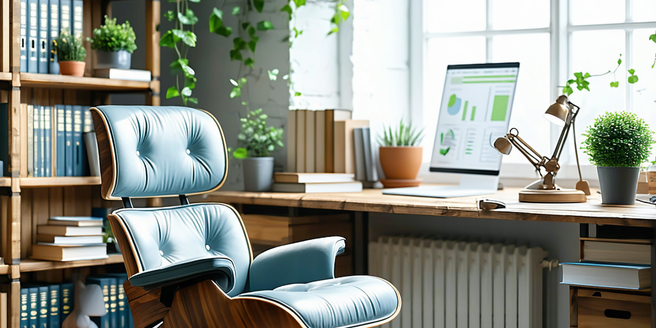
Introduction to Sustainability in Home Offices
Sustainability in home offices is crucial as many professionals continue to work remotely. By adopting eco-friendly practices, individuals can create healthier and more sustainable workspaces. The foundation of a sustainable home office involves energy-efficient practices, reducing waste, and choosing eco-friendly materials. Transitioning to a sustainable home office not only benefits the environment but also promotes well-being by fostering a healthier work environment. Creating a sustainable workspace starts with small changes like minimizing energy consumption, opting for sustainable products, and ensuring the efficient use of resources. As more people embrace remote work, the importance of sustainable practices in home offices increases. Implementing these strategies helps reduce the carbon footprint and supports a sustainable future. By incorporating these practices, individuals contribute positively to environmental conservation.
Energy-Efficient Equipment and Tools
When setting up a sustainable home office, investing in energy-efficient equipment and tools is essential. Start by opting for Energy Star-rated devices such as computers, monitors, and printers, which consume less power without compromising performance. Using LED lighting instead of traditional bulbs significantly reduces energy usage and offers longer-lasting illumination. Employ power strips with surge protection features to easily switch off multiple devices when not in use, minimizing standby energy consumption. Additionally, adjust power settings on computers and laptops to enable sleep mode when idle for extended periods. Many electronic devices offer eco-modes or energy-saving features that can be utilized to further save electricity. Regularly maintaining and updating equipment ensures optimal performance and efficiency. Making informed choices in selecting energy-efficient office tools contributes to reducing energy consumption and supports a more sustainable office environment.
Eco-Friendly Office Furniture
Choosing eco-friendly office furniture not only adds to the sustainability of your home office but also enhances the overall aesthetic and comfort. Look for furniture made from recycled or sustainably sourced materials such as bamboo, reclaimed wood, or metal. Consider ergonomic designs that promote better posture, reducing health issues over time. Sustainable furniture brands often use low-VOC finishes, which minimize toxic emissions and improve indoor air quality. In addition, modular and durable pieces can help you adapt to future changes in workspace needs without the need for constant replacement. When purchasing new furniture, research brands that practice ethical sourcing and manufacturing to ensure that your investment is truly sustainable. By selecting eco-friendly furniture, you support environmental preservation and commitment to a more sustainable lifestyle.
Reducing Paper Waste for a Greener Office
Reducing paper waste is a fundamental step in creating a greener home office. Opt for a digital-first approach by utilizing cloud storage solutions and digital notetaking apps to reduce reliance on paper. Implement a system to organize electronic documents effectively, minimizing the need for printouts. When printing is necessary, use both sides of the paper and select eco-friendly ink cartridges. Encourage recycling by placing a designated paper recycling bin in your office space. Incorporate paperless billing and electronic signatures where possible to further reduce paper consumption. Additionally, subscribing to digital magazines or newspapers helps in minimizing physical waste. By adopting these practices, not only does paper waste decrease, but the carbon footprint associated with paper production and disposal is also reduced, contributing to a more sustainable office environment.
Implementing a Green Cleaning Routine
Adopting a green cleaning routine in your home office is crucial for maintaining a sustainable and healthy workspace. Opt for cleaning products made from natural, biodegradable ingredients that don’t release harmful chemicals into the environment. Alternatively, you can create homemade cleaning solutions using items such as vinegar and baking soda, which are effective and eco-friendly. Employ microfiber cloths instead of disposable paper towels, as they can be washed and reused multiple times. Regularly dust and sanitize surfaces to keep the air quality optimal and prevent the buildup of allergens. Consider investing in a vacuum cleaner with a HEPA filter to ensure that dust and dirt are efficiently removed without circulating them back into the air. By prioritizing green cleaning methods, you contribute to a healthier home office and a more sustainable lifestyle.
Promoting Indoor Air Quality with Plants
Enhancing indoor air quality in your home office can be effortlessly achieved by introducing houseplants. Plants such as snake plants, pothos, and peace lilies are known for their ability to filter harmful toxins and improve air quality. Beyond purifying the air, these plants also add a touch of nature to your workspace, promoting a calming and visually pleasing environment. Consider the lighting and space available in your office when selecting plants to ensure they thrive. Regular care, such as watering and pruning, keeps them healthy and efficient at improving air quality. Grouping plants together can create a natural barrier that blocks noise and adds a personal touch to your decor. By integrating plants into your office space, you not only enhance air quality but also boost productivity and well-being.