Smarter Personal Assistants
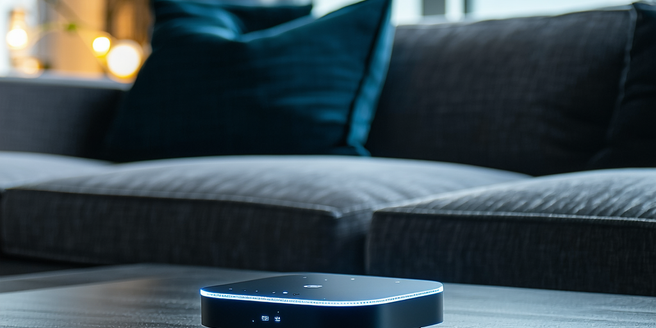
The Evolution of Personal Assistants
From mere reminders on electronic devices to sophisticated AI-driven entities, personal assistants have undergone significant evolution. Early versions, such as Clippy from Microsoft or simple alarm clocks, served basic functions like setting reminders or giving brief updates. With the advent of advanced technologies, virtual assistants like Siri, Alexa, and Google Assistant emerged, integrating voice recognition, natural language processing, and AI. As technology continues to advance, these tools are likely to become even more intuitive and integrated into daily life. These innovations have transformed assistants from static tools to dynamic aids, capable of learning user preferences, automating tasks, and providing personalized experiences.
Key Features of Modern Smart Assistants
Modern smart assistants are equipped with a multitude of features that enhance user interaction. They incorporate voice recognition, enabling hands-free commands, and natural language processing to understand context and intent accurately. Integration with smart home devices allows users to control lights, thermostats, and security systems. These devices have become essential tools in modern households. The development of these assistants is rooted in complex algorithms and machine learning. Additionally, features like real-time translation, location-based reminders, and proactive suggestions further elevate their functionality. With cloud connectivity, these assistants continuously learn and update, providing an increasingly personalized and intuitive user experience.
How AI Enhances User Experience
AI plays a crucial role in enhancing the user experience by offering personalized interactions and smarter responses. Through machine learning, smart assistants can analyze user behavior, predict needs, and suggest relevant actions. Users often appreciate the seamless integration of these AI tools into their daily lives. AI enables the automation of repetitive tasks, learns user preferences, and customizes responses accordingly. As technology continues to advance, AI’s role in personalizing digital experiences becomes increasingly significant. Its ability to process and analyze large datasets rapidly means that AI-driven assistants can provide real-time information and assistance, making technology more accessible and efficient for everyday tasks and needs.
Integrating Assistants into Daily Life
Smart assistants are becoming integral to daily life, seamlessly integrating into various domains such as work, home, and leisure. They aid in managing schedules, setting reminders, and answering queries, thus saving time and increasing productivity. At home, they control smart devices, playing music, streaming videos, or managing energy consumption. The ease of use and convenience they provide make them a popular choice among tech-savvy users. Many users appreciate the ability to control their environment using just their voice. In professional settings, they facilitate meetings, highlight tasks, and even draft emails, enhancing workflow efficiency. This growing ubiquity reflects their role in creating a more connected and convenient lifestyle.
Privacy and Security Concerns
The rise of smart assistants brings with it significant privacy and security challenges. Concerns about data collection, unauthorized access, and eavesdropping are prevalent. As more households adopt these devices, discussions about digital ethics become increasingly important. As technology advances, the likelihood of these concerns increases. These devices continuously listen for activation commands, leading to potential breaches if not managed properly. Manufacturers are tasked with implementing stringent security measures, such as data encryption and robust authentication protocols. Users are urged to regularly update devices, understand permissions, and exercise caution with sensitive information to mitigate risks.
The Future of Personal Assistants
The future of personal assistants is poised to be more intuitive, context-aware, and seamlessly integrated into multiple facets of life. As AI technologies progress, assistants are expected to have a deeper understanding of user emotions, tone, and context, leading to more human-like interactions. They will become indispensable tools for daily productivity and convenience. With advancements in machine learning, these assistants will be able to adapt and personalize services even more accurately. Enhanced connectivity with IoT devices and the convergence of augmented and virtual reality may redefine user experiences. Legal and ethical frameworks around privacy and data protection will evolve, potentially offering more user control over data usage.