Gesture Control In Interfaces
Understanding the Basics of Gesture Control
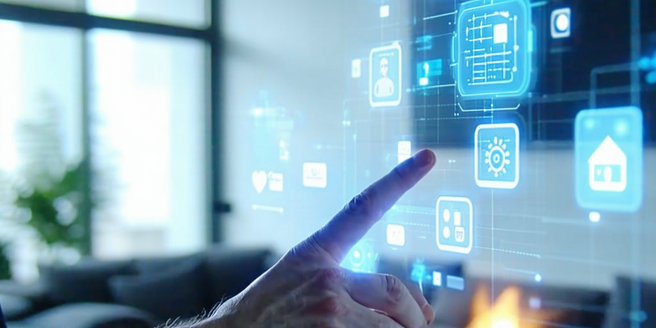
Gesture control is an intuitive way to interact with devices, harnessing movements rather than traditional input methods like keyboards or touchscreens. This technique relies on recognizing and interpreting hand or body gestures to execute commands within an interface. The fundamental principle revolves around simplifying human-computer interaction by utilizing natural body movements. Motion sensors, cameras, and AI technologies capture these gestures, allowing for a seamless user experience. With gesture control, accessibility is enhanced for users who may find conventional input methods challenging. Moreover, it provides hands-free operation, which is beneficial in situations where manual input is impractical or unsafe. As we delve deeper into understanding this technology, it becomes apparent that gesture recognition plays a crucial role in modernizing user interfaces and creating more dynamic, fluid interactive systems.
The Evolution of Interface Design with Gestures
Interface design has undergone significant evolution thanks to the integration of gestures. Initially, interfaces were dominated by buttons and basic input methods, but the advent of touchscreens marked a substantial leap forward. This transition began the journey towards more versatile and intuitive interactions. Over time, gesture-based systems have come to the forefront, enabling users to interact with devices with simple hand movements or facial expressions. This shift is largely due to advancements in sensor technology and machine learning, which enhance the accuracy of gesture recognition. The progression of these technologies allows for more sophisticated designs that respond fluidly to human movements. Today’s interfaces leverage gestures not just for convenience or novelty but as a pivotal component of user-centered design that aims to elevate user engagement and accessibility.
Key Technologies Powering Gesture Interfaces
The rise of gesture interfaces is fueled by several key technologies, each playing a crucial role in recognizing and interpreting human gestures accurately. Among these, motion sensors such as accelerometers and gyroscopes are fundamental, providing the ability to detect movements and orientation. Cameras, particularly depth cameras, add another layer of precision by capturing detailed 3D models of gestures. Meanwhile, AI and machine learning algorithms are essential for interpreting the data gathered from these sensors, enabling systems to learn and adapt to new gestures. These algorithms refine the accuracy of gesture recognition over time. Furthermore, advancements in augmented reality (AR) and virtual reality (VR) environments create richer contexts for gesture application. Together, these technologies are revolutionizing the way we interact with machines, paving the way for more natural and immersive user experiences.
Benefits and Challenges of Gesture Controls
Gesture controls offer numerous benefits, particularly in creating more natural and intuitive interactions between humans and machines. They enable hands-free operation, which can make tasks more efficient and accessible, especially in complex environments like medicine or manufacturing. Gesture controls also provide an engaging user experience, with dynamic and immersive interfaces that respond to simple human movements. However, they also come with challenges. One significant issue is the requirement for precise gesture recognition, which demands sophisticated hardware and software solutions. Lighting conditions, user variability, and the learning curve for users unfamiliar with gestures can also pose hurdles. Privacy concerns arise since devices equipped with cameras or sensors that track movements may inadvertently capture sensitive information. Balancing these benefits and challenges is crucial for the successful implementation and adoption of gesture control technology.
Future Trends in Gesture-Based Interaction
The future of gesture-based interaction is poised for remarkable advancements as technology continues to integrate seamlessly into daily life. Emerging trends suggest a shift towards more ubiquitous and sophisticated systems, where gesture controls extend beyond personal devices to smart environments. The integration of AI will likely enhance gesture recognition, facilitating the development of personalized interfaces that understand user preferences and context. Advances in AR and VR provide new dimensions for interaction, enabling users to engage with virtual spaces in unprecedented ways. Moreover, the growth of wearable technology opens new avenues for gesture-based interactions, allowing for more seamless integration with the human body. As these trends evolve, gesture control will further bridge the gap between digital and physical worlds, presenting novel opportunities and reimagining our interaction with technology in the coming years.