How Tech Gadget Testing Programs Work (And How to Get Involved)
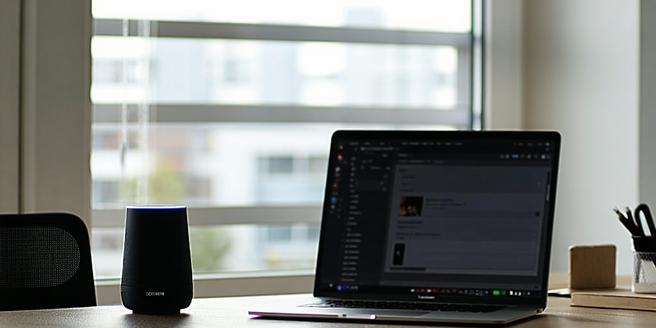
The consumer tech industry is enormous. Between major brands, mid-sized manufacturers, and the constant flow of new accessories and smart home devices, there’s always something getting ready for launch — and almost all of it goes through some kind of real-world testing before it reaches store shelves.
Some of that testing happens inside the companies. A meaningful portion happens with everyday consumers who sign up to try products and share their feedback. Across a year of active participation, the retail value of gadgets and accessories a tester might receive can reach into the hundreds or even approach the $1,000 range, depending on the campaigns they qualify for.
Here’s a closer look at how tech gadget testing programs work and what to expect if you want to participate.
What a tech gadget tester actually does
A tech gadget tester is someone who agrees to receive a new or pre-release device, use it in everyday life for a period of time, and report back to the company with honest feedback.
Testers typically help brands:
- Identify bugs, glitches, or design flaws
- Evaluate how intuitive a product is for everyday users
- Provide impressions across different real-world use cases
- Compare new products against ones they already own
You don’t need a tech background or any kind of certification. Brands are specifically looking for opinions from regular consumers — that’s the entire point.
Why brands invest in consumer testing
Tech companies operate in a market where a flawed launch can be enormously expensive. Returns, negative reviews, viral complaints, and post-launch fixes all cost far more than the price of sending out a few hundred test units in advance.
Before a product reaches the public, brands want to know:
- Does it work reliably in everyday conditions?
- Is the setup process clear for non-technical users?
- Are there issues that only show up after a week of regular use?
- How does it stack up against competitors in real-world use?
Testers help answer those questions — which makes the program a genuine investment in product quality, not a giveaway.
What kinds of products are in testing rotation
Tech testing covers a much broader product range than any single brand could offer on its own:
- Wireless earbuds, headphones, and Bluetooth speakers
- Smart home devices like cameras, plugs, thermostats, and doorbells
- Fitness trackers and wearables
- Gaming accessories and peripherals
- Streaming devices and smart TVs
- Tablets, e-readers, and laptops
- Kitchen gadgets and smart appliances
- Phone cases, chargers, and everyday accessories
Because the tech industry has so many product launches each year, the rotation of available testing opportunities is constant.
What the $1K figure actually means
The “$1K” you’ll sometimes see associated with tech testing programs refers to the potential retail value of products a tester might receive over time — not a cash payment and not a guaranteed amount. Someone who actively participates across multiple campaigns over a year might accumulate that much in product value; someone who participates casually will receive less.
That distinction matters. Product testing isn’t a job or a guaranteed income stream — it’s a way to receive gadgets in exchange for honest feedback.
Who tends to do well in these programs
Tech gadget testing tends to suit people who:
- Genuinely enjoy trying new gadgets across different categories
- Don’t mind filling out a short feedback form or survey
- Are comfortable following basic setup instructions for new devices
- Have time to use a product for at least a few days before reporting back
The cross-category nature of tech testing is part of the appeal — one month you might be testing a Bluetooth speaker, the next a smart plug, the next a fitness tracker.
A few realistic expectations
It helps to go in with a clear picture of how these programs operate:
- You won’t be selected for every campaign you apply to
- Some programs ask you to complete a short profile or qualifying step
- Available opportunities depend on your location and current brand needs
- Popular campaigns can fill quickly once they open
Reading each program’s instructions carefully and applying promptly makes a meaningful difference.
How to get started
Most people who participate in tech gadget testing start by getting oriented with a single resource that explains where the legitimate programs are, how to qualify, and what to expect. A short walkthrough guide is usually enough to get going.
If you’re curious to see what’s currently available, you can learn more here and browse the testing opportunities open right now.
Final thoughts
Tech gadget testing is a real and ongoing part of how consumer electronics get developed. For people who enjoy trying new things across a range of categories, it’s a low-effort way to try gadgets early and share feedback that actually shapes future versions.
If that sounds appealing, it’s worth taking a look while current campaigns are open.