How Tech Product Testing Programs Actually Work (And How to Join One)
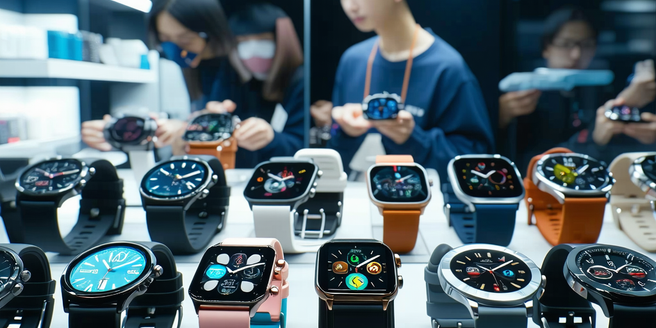
Before a new pair of headphones, smartwatch, or smart home device hits store shelves, there’s a good chance it spent time in the hands of regular people first. Tech companies routinely send pre-release products to everyday testers to gather feedback, catch issues, and see how the product holds up outside a lab environment.
For consumers, it’s an interesting side benefit of how modern product development works: you can sign up to try new gadgets, share your thoughts, and in many cases keep the product afterward.
Here’s a closer look at how these programs work and what to expect if you want to participate.
What a tech product tester actually does
A product tester is someone who agrees to receive a new or pre-release device, use it in everyday life for a period of time, and report back to the company with honest feedback.
Testers typically help brands:
- Identify bugs, glitches, or design issues
- Evaluate how intuitive a product is for non-technical users
- Provide real-world impressions before a wider launch
You don’t need a tech background or any kind of certification. Companies are specifically looking for opinions from regular consumers, not engineers.
Why companies are willing to give away products
Sending out free hardware sounds counterintuitive, but it’s much cheaper than launching a flawed product. Negative reviews, returns, and post-launch fixes can cost a company far more than the price of seeding a few hundred units to testers.
By the time a product reaches the public, the manufacturer wants to know:
- Does it work reliably in everyday conditions?
- Is the setup process clear?
- Are there any annoyances most users notice within the first week?
Testers help answer those questions before the product is on a shelf — which makes the program a genuine investment for the company, not a giveaway.
The kinds of products in circulation
The mix changes constantly, but commonly tested categories include:
- Smartphones and tablets
- Wireless earbuds, headphones, and speakers
- Smart home devices like cameras, plugs, and thermostats
- Gaming accessories and peripherals
- Wearables, including smartwatches and fitness trackers
New campaigns open up regularly as brands prepare for product launches, so the available options shift from month to month.
Who tends to do well in these programs
Product testing tends to suit people who:
- Genuinely enjoy trying new gadgets
- Don’t mind filling out a short feedback form or survey
- Are comfortable following basic setup instructions
- Have time to use the product for at least a few days
If that sounds like you, the barrier to entry is low. Most programs just want consistent, honest participation.
A few realistic expectations
It’s worth going in with a clear picture of how these programs operate:
- You won’t be selected for every campaign you apply to
- Some programs ask you to complete a short profile or qualifying step first
- Available opportunities depend on your location and the brand’s current testing needs
- Popular campaigns can fill quickly once they open
Reading the instructions for each program carefully — and applying promptly when something matches your interests — makes a meaningful difference.
How to get started
Most people who participate in product testing start by getting oriented with a single resource that explains where the legitimate programs are, how to qualify, and what to expect along the way. Learn more at test.io today!
Final thoughts
Tech product testing isn’t a get-rich-quick scheme or a gimmick — it’s a small but real part of how the consumer electronics industry develops products. For people who already enjoy gadgets, it’s a low-effort way to try things early and share feedback that actually shapes future versions.
If that sounds appealing, it’s worth taking a look while current campaigns are still open.