Emergency Preparedness Tech
Innovative Gadgets Enhancing Safety Protocols
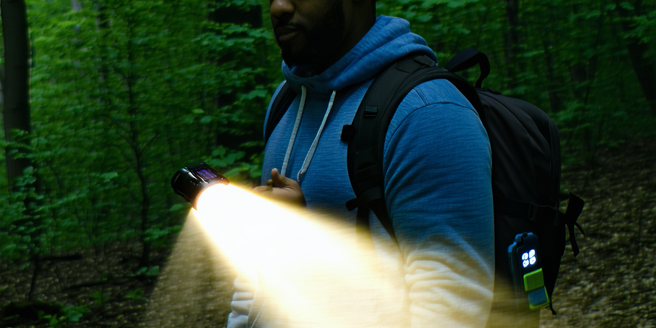
Innovative gadgets are revolutionizing safety protocols across various sectors. Devices like portable air quality monitors, solar-powered flashlights, and multi-tool kits are now essential in emergency preparedness. These advancements not only improve efficiency but also increase accessibility for users of all ages. These tools enhance individual safety by offering reliable solutions during power outages or environmental hazards. Air quality monitors, for instance, detect harmful pollutants, ensuring safe breathing conditions. Simultaneously, solar-powered flashlights provide sustainable light sources in emergencies. Multi-tool kits consolidate essential gear into a single, compact package, necessary during rescues or repairs. By integrating these innovative gadgets into safety protocols, we extend our preparedness measures beyond traditional methods, boosting confidence and readiness in unexpected situations.
Smartphone Apps for Crisis Management
In the digital era, smartphone apps play a pivotal role in crisis management. Various applications provide real-time alerts, offer emergency guidelines, and facilitate communication during disasters. Apps like those for weather updates, emergency contacts, and first aid provide vital information, accessible at your fingertips. They enable swift location sharing, assisting responders and loved ones in ensuring safety. With the ability to function even in low connectivity areas, these apps ensure that help is never far away. Such apps also promote community awareness, allowing users to report incidents or find safe locations. By transforming smartphones into versatile crisis management tools, these applications empower individuals to act effectively during emergencies, showcasing how technology enhances our emergency response strategies.
Wearable Tech: Keeping You Informed
Wearable technology has evolved to become a critical component of emergency preparedness. Smartwatches and fitness bands now offer features like heart rate monitoring and SOS alerts, proving essential during crises. These devices keep users informed about their health status, alerting them to potential issues. The convenience and portability make these devices an indispensable part of modern life. The technological integration is a testament to the rapid advancement in the field. Additionally, integrated GPS functions aid in tracking locations, protecting users and facilitating rescue operations when needed. Wearable tech also enables constant updates on weather conditions or hazard alerts, maintaining user awareness during emergencies. Through these features, wearable devices provide a seamless connection to vital information, reinforcing safety and preparedness in today’s unpredictable world.
Drones in Emergency Response Planning
Drones are transforming emergency response planning with their unique capabilities. Equipped with high-resolution cameras, they offer aerial views of disaster-stricken areas, assisting in damage assessment and resource allocation. Their adaptability has opened new possibilities for timely interventions. This technology allows for precise mapping and efficient coordination among response teams. In hard-to-reach locations, drones deliver supplies like food and medicine, overcoming logistic challenges during emergencies. They also enhance search and rescue missions, providing real-time data to responders and improving operation effectiveness. Additionally, drones contribute to surveillance and monitoring, helping in verifying affected zones and ensuring community safety. Incorporating drones into emergency response strategies not only expedites operations but also broadens the scope of aid, demonstrating their indispensable role in disaster management.
The Role of AI in Disaster Preparedness
Artificial Intelligence (AI) is increasingly pivotal in disaster preparedness. By analyzing vast amounts of data, AI predicts potential threats and models disaster impacts, enabling better planning and risk assessment. Machine learning algorithms improve the accuracy of weather forecasts, enhancing early warning systems. Furthermore, AI provides crucial insights into the dynamics of disaster scenarios, allowing for more informed decision-making. AI also streamlines resource allocation, ensuring optimized use of available assets in emergency response operations. Through pattern recognition, AI helps in crafting swift and effective response strategies, minimizing the impact of disasters. As AI technology continues to evolve, its integration into disaster preparedness frameworks will empower communities to anticipate and mitigate potential threats more efficiently.