Iot Devices In Smart Homes
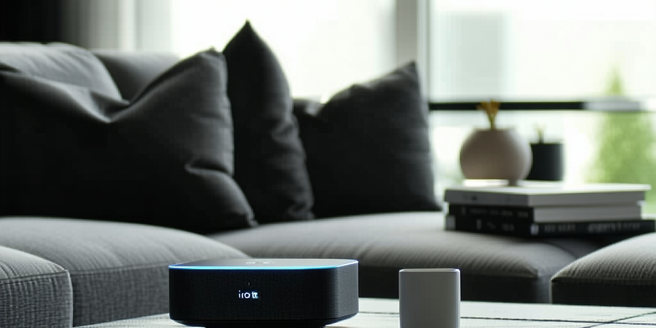
Introduction to IoT Devices in Smart Homes
The Internet of Things (IoT) has revolutionized the way we interact with our homes. IoT devices connect to the internet and communicate with each other, offering unparalleled convenience and efficiency. Smart homes equipped with IoT devices enable homeowners to automate processes like lighting, heating, and security systems. This technology not only provides comfort but also contributes to energy efficiency and cost savings. As connectivity grows, more households are adopting IoT solutions, enhancing their comfort and safety. The burgeoning market of smart home devices is paving the way for innovations that redefine domestic living. With voice assistants, smart thermostats, and automated security systems, households are becoming more sophisticated, integrated, and interconnected. Understanding these devices’ roles and how they synergize with existing home tech is crucial for maximizing their benefits.
Benefits of Implementing IoT in Household Settings
Integrating IoT into household settings offers numerous advantages. Firstly, it enhances convenience by allowing control of home appliances remotely. Whether adjusting the thermostat or switching off lights, homeowners have control at their fingertips. Secondly, IoT facilitates energy efficiency by monitoring and optimizing the use of resources. Smart devices can suggest optimal usage patterns, reducing utility bills. Thirdly, IoT improves security through real-time surveillance and alerts. Smart locks, cameras, and alarm systems collectively bolster home safety. Additionally, IoT devices can assist in elder care, offering independence while monitoring health parameters. The data generated can provide valuable insights into daily activities and help in early detection of potential health issues. Overall, IoT transforms homes into interactive and responsive environments that adapt to the needs and lifestyles of inhabitants.
Popular IoT Devices Transforming Smart Homes
Several IoT devices are making significant impacts in transforming homes into smart environments. Smart speakers, like Amazon Echo and Google Home, serve as command centers, using voice assistance to control appliances and provide information. Smart thermostats, such as Nest, learn homeowner preferences to optimize heating and cooling, improving energy efficiency. Smart lighting systems, including Philips Hue, provide customizable lighting scenes and schedules for enhanced ambiance and energy savings. Smart security devices like Ring doorbells and Arlo cameras offer live feeds and alerts, enhancing safety. Additionally, smart appliances, including refrigerators and ovens, bring automation and connectivity to kitchens, suggesting recipes and tracking inventory. These popular devices represent a fraction of IoT’s potential, showcasing a trend towards increasingly intelligent homes that are convenient, secure, and energy-efficient.
Security Concerns and Solutions in IoT Smart Homes
Security remains a significant concern in IoT smart homes, where devices are interconnected and share data. Potential vulnerabilities arise due to inadequate security measures, making them targets for cyber-attacks. Unauthorized access could lead to data breaches and privacy invasions. To mitigate these risks, manufacturers emphasize robust security protocols and regular software updates. Homeowners can enhance security by using strong, unique passwords and enabling two-factor authentication. Network security is vital; using secure Wi-Fi networks and separate guest networks can prevent unauthorized access. Awareness and education about potential threats also play a crucial role. Implementing end-to-end encryption and securing communication channels can further protect sensitive data. As smart homes become more prevalent, ongoing advancements in security measures are essential to safeguard user privacy and ensure the integrity of smart home ecosystems.
Integrating IoT with Existing Home Systems
Integrating IoT with existing home systems requires careful consideration to ensure seamless functionality. Compatibility is a primary concern; devices must support standard protocols like Zigbee or Z-Wave to communicate effectively. Retrofitting older systems with smart technologies may involve additional investments in smart hubs or bridges. It’s crucial to evaluate the interoperability of devices, especially when using different brands. Planning a centralized control system can simplify management and troubleshooting. Starting with a few connected devices can help homeowners understand integration dynamics before scaling up. Additionally, professional consultations can provide insights into optimizing the integration process. Successful IoT integration not only enhances the automation and efficiency of home systems but also significantly increases the property’s overall value and functionality without compromising existing infrastructure.
Future Trends and Innovations in Smart Home IoT
The future of smart home IoT is promising, driven by rapid technological advancements. Emerging trends include the rise of AI-powered IoT devices, where machine learning algorithms increase automation precision and predictive capabilities. These devices learn user preferences over time, creating personalized experiences. Increased focus on eco-friendliness is evident through the development of energy-efficient IoT solutions aimed at minimizing environmental impact. Another trend is the advancement of interoperability among devices, simplifying user experience without the need for numerous apps or interfaces. Innovations in 5G technology will also play a critical role, providing faster, more reliable connectivity. This will lead to real-time interactions and improved device functionality. As the IoT ecosystem evolves, smart homes will become smarter, more intuitive, and increasingly integrated into everyday life, transforming the way we interact with our living spaces.