Best Practices For Gaming
Understanding Gaming Hardware Essentials
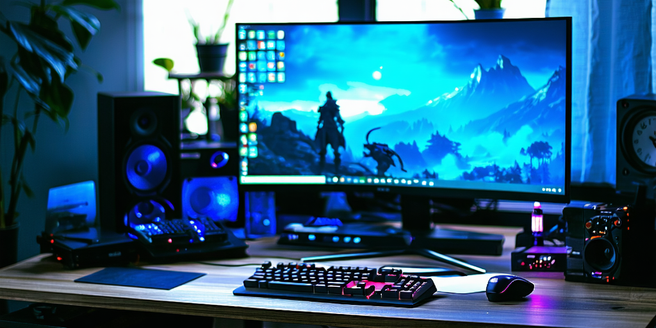
To excel in gaming, understanding your hardware is crucial. Start by knowing the specifications of your device—be it a PC, console, or mobile. Familiarize yourself with the CPU, GPU, RAM, and storage, as these components significantly impact gaming performance. Ensuring your hardware meets game requirements is essential to avoid lag and crashes. Keeping your software updated is equally important to ensure compatibility and security. Additionally, consider getting peripherals like a high-quality mouse, keyboard, or controller to enhance gameplay. Monitor refresh rates and resolutions are other factors to be aware of for an immersive experience. Finally, regular maintenance, such as cleaning dust from vents and updating drivers, can prolong hardware lifespan and maintain optimal performance.
Optimizing Software Settings for Performance
To boost performance, start by updating your operating system and gaming software, as updates often include performance improvements. Adjust in-game settings by lowering graphics quality, shadows, and textures, which can enhance frame rates without dramatically affecting visual quality. Remember to clean your hardware components regularly to prevent overheating, which can throttle performance. Use software tools to identify background processes that may consume resources and disable unnecessary ones. Additionally, consider investing in hardware upgrades if your system persists in lagging. Enabling game mode on your operating system can also allocate additional resources to gaming. Keep your GPU drivers updated to enjoy the latest optimizations and bug fixes. These tweaks ensure smoother gameplay for a better overall experience.
Effective Time Management for Gamers
Balancing gaming with other life activities requires planning. Start by setting a schedule that allocates specific hours to gaming and stick to it to avoid overindulgence. Use timers to remind yourself to take breaks and avoid extended periods in front of screens, which can lead to fatigue. Remember to also engage in physical activities and maintain social connections outside gaming. It’s important to have boundaries to prevent gaming from consuming too much of your free time. Multi-tasking can be inefficient, so prioritize gaming sessions during free time. Consider integrating gaming into your routine as a reward for completing tasks, which can enhance productivity. Effective time management ensures gaming remains enjoyable and does not interfere with responsibilities.
Maintaining Physical and Mental Health
Maintaining health is critical for prolonged gaming. Ensure ergonomic positioning by adjusting your chair and screen to encourage good posture, reducing the risk of strain. Remember to stay hydrated, as water intake is crucial for optimal physical and mental performance. Consider setting a timer as a reminder to drink water regularly. Regular breaks to stretch or walk can prevent physical discomfort. It might also be beneficial to invest in ergonomic gaming accessories. Equally important is mental health—take note of your mood and stress levels. Balance gaming with other activities like exercise or meditation to promote a healthy mind. If certain games cause stress, limit their playtime. Prioritizing health improves overall gaming experience and longevity.
Building a Positive Gaming Community
Creating a welcoming gaming community involves fostering inclusivity and respect among players. Encourage open communication and discourage hate speech or toxic behavior. Participate in forums and groups that share positive values. It’s essential to establish clear guidelines that outline acceptable behavior and consequences for violations. Providing avenues for feedback can also help address any issues before they escalate. Host events that unite players, fostering friendships and shared interests. Regular check-ins with the community can ensure everyone feels heard and valued. Celebrate achievements within the community to promote positive reinforcement. Being a role model by displaying sportsmanship can inspire others to adopt similar attitudes, contributing to a healthy and inviting environment for all participants.