Mobile Device Security Measures
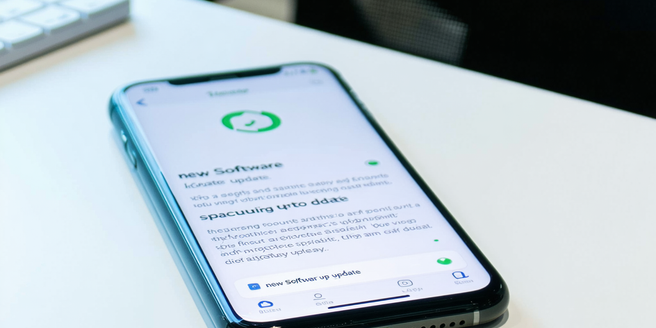
The Importance of Mobile Device Security
Mobile devices are integral to personal and professional life, storing sensitive information from personal data to corporate secrets. The importance of mobile device security cannot be overstated, as these devices are consistently targeted by cyber threats. A breach could lead to significant data loss and financial repercussions. Users must understand that each app, connection, or file downloaded can present vulnerabilities. It is crucial to implement robust security measures to safeguard these devices. Regular updates, utilizing strong authentication methods, and educating users on safe practices are part of ensuring security. As the dependency on mobile technology increases, maintaining a proactive stance in security will protect not just the device, but also privacy and data integrity.
Common Threats to Mobile Security
Mobile security faces various threats that can compromise users’ data and privacy. Malware, including viruses and spyware, can infiltrate devices through untrustworthy apps or phishing links. Man-in-the-Middle attacks are another significant threat, especially when using public Wi-Fi, allowing attackers to intercept communications. Device theft also poses a risk, providing physical access to data. Moreover, many users overlook the importance of setting strong, unique passwords for their devices and accounts. Furthermore, outdated operating systems or apps can expose vulnerabilities that cybercriminals exploit. Awareness of these threats is essential so users can take informed actions to protect their devices. Utilizing antivirus software, enabling remote wipe features, and avoiding suspicious links or apps are effective strategies to mitigate these threats.
Essential Security Features for Smartphones
Smartphones are equipped with essential security features that protect data integrity and user privacy. Biometric authentication, like fingerprint and facial recognition, offers a layer of security beyond traditional PINs or passwords. Encrypted communications ensure that data remains confidential, accessible only to intended parties. Remote locking and wiping features allow users to protect sensitive information if their device is lost or stolen. Regular software updates are critical, addressing vulnerabilities and bugs that could be exploited by attackers. Secure app stores minimize the risk of downloading malicious applications. As technology evolves, staying informed about new security measures becomes increasingly important. Utilizing these features significantly enhances the security posture of any smartphone, making security a seamless part of the user experience.
Best Practices for Securing Mobile Devices
Securing mobile devices requires a combination of preventive measures and user vigilance. Always use strong, unique passwords or better, biometric authentication to lock your devices. It’s also wise to regularly back up important data to cloud services or external drives. Regularly updating both the operating system and apps is crucial as it patches security vulnerabilities. Installing apps only from reputable sources reduces the risk of malware. Users should be cautious with public Wi-Fi, using VPNs for secure browsing when necessary. Educating oneself about phishing attacks and how to recognize suspicious emails or messages helps mitigate data theft risks. Lastly, enabling full-disk encryption ensures data remains inaccessible in unauthorized hands. These practices create a robust defense against potential security breaches.
Future Trends in Mobile Security Technologies
The future of mobile security promises advancements that will enhance protection methods. Artificial Intelligence (AI) is set to play a significant role by providing real-time threat detection and response. AI-driven analysis can adapt to new threat landscapes faster than ever before. The adoption of blockchain technology is expected to offer enhanced data integrity and authentication processes. The rise of 5G connectivity opens avenues for new security protocols to protect faster, more robust networks. Additionally, continuous authentication methods, which verify users based on behavior patterns, promise to refine identity management. These technologies indicate a future where mobile security measures are not only more sophisticated but also seamlessly integrated into the user experience, proactively safeguarding data.