Bluetooth Trackers For Item Organization
Understanding Bluetooth Tracking Technology
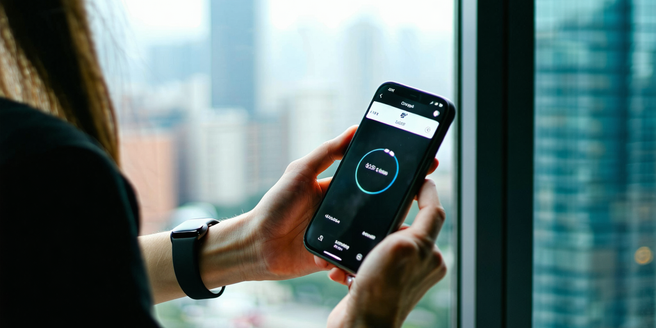
Bluetooth tracking technology has become an essential tool for item organization. These small, wireless devices leverage Bluetooth Low Energy (BLE) to communicate with a smartphone or tablet, providing the user with the location of their tracked items. Essentially, a Bluetooth tracker emits a signal that can be picked up within a certain range by a paired device, allowing the user to find their belonging by sounding an alarm or displaying its last known location on a map. Understanding this technology further, it’s crucial to recognize the importance of features such as battery life, range, and app compatibility. Battery life affects how often a tracker needs charging or replacement, whereas range determines how far one can be from the item and still track it efficiently. App compatibility also matters to ensure seamless tracking across various devices.
Key Features to Look for in Bluetooth Trackers
When selecting a Bluetooth tracker, certain key features should be considered to ensure the device meets your organizational needs. Firstly, consider the tracker’s range. A longer range can help you find lost items within a larger area. Battery life is another crucial aspect; opting for a track with a replaceable battery or extended battery life can save both time and money in the long run. Additionally, the device’s size and design can also be important – compact trackers are easier to attach to small items like keys or wallets. App compatibility is essential as well, ensuring the tracker works seamlessly with your smartphone. Lastly, look for added features, such as separation alerts and shared tracking, which can further enhance the device’s utility in efficiently managing your belongings.
Top Bluetooth Trackers for Home and Office Use
For those looking to streamline their home or office organization, several top-rated Bluetooth trackers offer exceptional value. The Tile Pro stands out with its impressive range and robust design, ideal for attaching to essential items like keys or backpacks. Apple’s AirTag integrates seamlessly with iOS devices, providing precise location tracking for Apple users. If you’re an Android user, Samsung’s Galaxy SmartTag offers a similar experience tailored for Samsung Galaxy devices. Another excellent choice is the Chipolo One, known for its loud alarm and replaceable battery, making it suitable for environments where audibility is crucial. Each of these trackers provides unique features that cater to different needs, making it easier to keep track of your most important belongings whether at home or work.
How to Effectively Use Bluetooth Trackers for Organization
Effectively using Bluetooth trackers for organization involves strategic placement and usage. Start by identifying items you frequently misplace, such as keys, wallets, or backpacks, and attach a tracker to each. Utilize the device’s app to assign names to each tracker for easy identification. Experiment with features like geofencing, which alerts you if you leave a designated area without your item. Regularly update your tracker’s app to access the latest features and maintain optimal performance. Also, consider integrating with other smart home devices for a more streamlined experience. For instance, connecting your tracker to a smart speaker can allow voice commands to locate items. By strategically employing these features, you can enhance the effectiveness of your Bluetooth tracker and maintain better control over your belongings.
Future Trends in Bluetooth Tracking for Item Management
The future of Bluetooth tracking technology promises exciting advancements that will enhance item management. One anticipated trend is the integration of augmented reality (AR) in apps, enabling users to visually locate their items through their smartphone camera. Battery technology is also expected to improve, leading to smaller, more efficient devices with longer life spans. Ultra-wideband (UWB) technology, which offers more precise tracking capabilities than traditional Bluetooth, may become more prevalent in consumer devices. Machine learning and AI will play a role in smarter tracking systems, predicting user behavior and offering proactive notifications. Furthermore, as privacy concerns grow, future trackers will likely include enhanced security features to protect user data. These evolving trends will make Bluetooth trackers even more indispensable for organizing and managing personal belongings.