Smart Garden Tools And Technologies
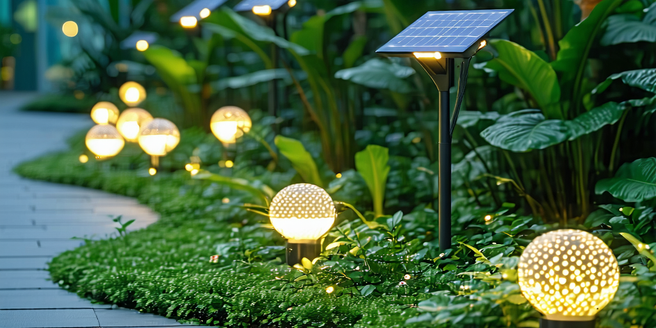
The Evolution of Garden Technology
As we delve into the realm of garden technology, it becomes evident that innovation has profoundly transformed the way we nurture our green spaces. In the early days, manual tools were the backbone of gardening, requiring physical effort and time. Today, the integration of technology into garden equipment has revolutionized our approach, providing smarter, more efficient solutions. Automated sprinklers, sensor-driven devices, and eco-friendly gadgets have minimized manual labor while maximizing productivity. These advancements not only cater to the needs of modern gardeners but also contribute to sustainable practices by optimizing resource usage and reducing environmental impact. The evolution of garden technology continues to shape the future of horticulture, driving us toward a more connected and automated era.
Smart Irrigation Systems: A Comprehensive Guide
Smart irrigation systems have become a game-changer for gardeners seeking precision and efficiency in watering practices. Unlike traditional systems, these contemporary solutions are equipped with sensors and smart controls that adjust watering schedules based on weather conditions, soil moisture levels, and plant needs. By delivering the right amount of water at the right time, these systems minimize waste and promote healthier plant growth. Understanding the components of smart irrigation systems, such as controllers, sensors, and drip emitters, allows gardeners to customize watering plans for specific areas. This technology reduces water bills and conserves one of our most precious resources, making it an essential aspect of sustainable gardening. With user-friendly interfaces and integration capabilities with other smart devices, smart irrigation systems offer an unparalleled level of convenience to garden enthusiasts.
Robotic Lawn Mowers: Efficiency and Precision
Robotic lawn mowers represent a significant leap in garden maintenance, offering efficiency and precision with minimal human intervention. These autonomous machines are designed to navigate lawns using boundary wires, sensors, or GPS technology. Once programmed, they expertly cut grass to the desired length, ensuring a consistently manicured appearance. The benefits of robotic mowers extend beyond aesthetics; they also contribute to lawn health by encouraging dense, lush growth thanks to regular, precise mowing. Moreover, these machines operate quietly, minimizing noise pollution. Equipped with safety features, robotic mowers avoid obstacles and shut down upon being lifted or tilted. Ideal for small to medium-sized lawns, these devices save time and effort, allowing users to enjoy pristine gardens without the rigors of traditional mowing.
Sustainable Gardening with Smart Tools
Sustainable gardening has found a strong ally in smart tools, which enable gardeners to minimize their environmental footprint while maximizing productivity. These tools incorporate technology that optimizes resource usage, ensuring minimal waste and promoting sustainable practices. Smart sprinklers, soil sensors, and solar-powered devices are some examples of how technology aids sustainable gardening. These solutions reduce the reliance on chemical inputs, conserve water, and utilize energy efficiently. By providing data-driven insights, smart tools empower gardeners to make informed decisions that benefit both their plants and the environment. Those embracing sustainable gardening can expect thriving ecosystems that support biodiversity, reduce pollution, and maintain soil health. Ultimately, integrating smart tools into gardening practices is an investment in a greener and more sustainable future.
The Future of Connectivity in Garden Equipment
The future of gardening is set to be more connected than ever, thanks to advancements in connectivity technologies. With the rise of the Internet of Things (IoT), garden equipment is evolving to be more adaptable and interactive. Smart devices, such as soil moisture sensors, weather stations, and automated mowers, can now sync with smartphones and home automation systems, allowing users to monitor and control their gardens from anywhere. This connectivity promises enhanced convenience and optimized gardening practices, as users gain real-time updates and control over their equipment. Moreover, the trend towards connected devices is paving the way for innovative community initiatives, where data sharing among gardening enthusiasts could lead to improved pest management and climate adaptation strategies. As connectivity continues to shape the future of garden equipment, it promotes a more efficient, collaborative, and sustainable approach to gardening.