Smartwatch Fitness Tracking
Understanding Smartwatch Fitness Features
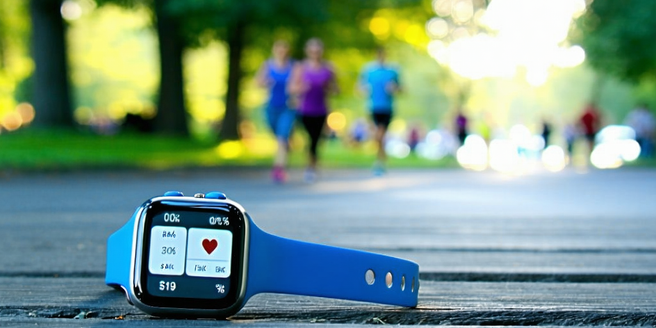
Smartwatches today are equipped with an array of fitness features that cater to various health enthusiasts. They measure heart rate, track sleep patterns, count steps, and even monitor blood oxygen levels. These multifunctional devices use advanced sensors and algorithms to provide accurate data, helping users understand their physical activities and overall health better. By setting personalized goals and receiving real-time feedback, individuals can stay motivated and improve their fitness levels. Smartwatch features like GPS tracking enable detailed mapping of routes during activities like running or cycling. Furthermore, integration with fitness apps enhances data analysis, creating a holistic view of one’s fitness journey. With the latest advancements, smartwatches are bridging the gap between technology and personal health, making sophisticated fitness tracking accessible to everyone.
Top Benefits of Using Smartwatches for Health
The health benefits of smartwatches extend far beyond merely tracking physical activity. These versatile gadgets offer users critical insights into their health and wellness. Heart rate monitoring provides an immediate sense of one’s cardiovascular performance, helping to detect anomalies like arrhythmias early. Sleep tracking offers insights into sleep quality and duration, essential for recovery and mental alertness. With built-in reminders, smartwatches encourage regular movement and hydration, promoting healthier habits. GPS and activity tracking aid in setting and achieving fitness goals, while compatibility with health-focused apps enriches the user experience. By fostering greater health awareness, smartwatches can catalyze lifestyle changes that lead to improved wellness and prevention of diseases. These devices are not just fitness tools; they are comprehensive health companions.
Comparing Different Smartwatch Brands and Models
When it comes to smartwatches, the market offers a vast range of brands and models, each with unique features tailored to different user needs. Apple Watch, known for its sleek design and robust ecosystem, offers exceptional integration with iPhones and a comprehensive set of health features. Garmin watches, favored by outdoor enthusiasts, provide detailed GPS tracking and long battery life. Fitbit models focus on user-friendly fitness tracking and health metrics, appealing to a wider audience. Samsung’s Galaxy Watches boast versatility and compatibility across Android devices. Consumers should consider battery life, compatibility, specific health features, and personal style when selecting a smartwatch. Understanding the unique offerings of each brand can help users find a model that best suits their lifestyle and fitness needs.
How Smartwatch Sensors Track Your Metrics
Smartwatches are equipped with a variety of sensors that continuously collect data to track your fitness and health metrics. The most common sensors include accelerometers, which detect movement and orientation, and gyroscopes, which measure rotational motion. Optical sensors use light to monitor heart rates by detecting blood flow variations. GPS sensors provide accurate location tracking, essential for outdoor activities. Barometric altimeters measure altitude changes, useful for tracking floors climbed and biking elevations. Advanced models may include ECG sensors for heart health monitoring and SpO2 sensors for blood oxygen levels. By synchronizing this data with health apps, smartwatches offer comprehensive insights into your physical activity and well-being. Understanding how these sensors work can help users make the most of their smartwatch’s capabilities.
Integrating Smartwatches with Fitness Apps
Integrating smartwatches with fitness apps significantly enhances how users track and manage their health and fitness journey. Most smartwatches seamlessly pair with popular fitness applications like Strava, MyFitnessPal, or Nike Training Club, allowing users to sync data for a unified experience. This integration enables comprehensive data collection, ranging from workout stats and nutritional intake to sleep patterns and heart rate trends. Fitness apps often provide personalized coaching, tailored workouts, and community features that enhance motivation and accountability. By bridging smartwatch capabilities with app functionalities, users enjoy a richer, more interactive approach to achieving their fitness goals. Additionally, app updates can introduce new features to smartwatches, keeping them aligned with the latest fitness trends.
Maximizing Your Fitness Routine with Wearables
Wearables, particularly smartwatches, can be powerful tools for maximizing your fitness routine. By offering real-time data on metrics like heart rate, pace, and calorie burn, smartwatches enable users to make immediate adjustments to their workouts for optimum results. Features such as personalized coaching and interval training guides enhance training efficiency. Wearables also encourage consistency by reminding users to stay active, track their progress, and celebrate milestones. They can identify patterns in physical activity and rest, providing insights for improved recovery and performance. When combined with community features, wearables offer social motivation, making it easier to stay on track. Embracing these technologies helps users refine their fitness strategies, fostering long-term health benefits and more effective workouts.