Automated Garage Systems Overview
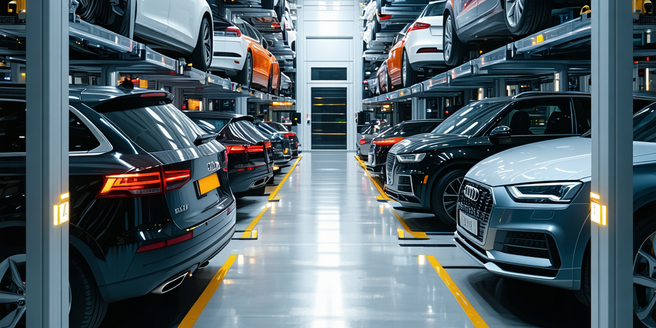
Introduction to Automated Garage Systems
Automated garage systems represent an innovative leap in home and commercial parking solutions. These systems integrate state-of-the-art technology, allowing for seamless vehicle storage and retrieval, often via smartphone apps or remote controls. Not only do these systems improve convenience, but they also optimize space in urban areas where parking is limited. In addition to these benefits, automated garage systems can significantly reduce the time spent searching for parking spots in congested areas. A multitude of sensors and advanced algorithms ensure safety and efficiency, while reducing the environmental impact by decreasing the need for traditional parking structures. With rising urbanization, automated garages are becoming increasingly popular among homeowners and developers. As these systems evolve, they offer the potential to revolutionize the standard approach to vehicle storage, blending cutting-edge technology with everyday practicality.
Key Components of Automated Garage Systems
The core components of an automated garage system include mechanical lifts, sensors, and a centralized control unit. Mechanical lifts are responsible for the movement and storage of vehicles within vertical or horizontal parking slots, often operating on hydraulic or electric systems. Sensors play a crucial role in detecting vehicle positions and ensuring the safe transit of automobiles into their designated spots. The control unit acts as the brain of the system, coordinating the operations of lifts and sensors while often incorporating user-driven commands through a mobile app or centralized console. Connectivity features, such as Wi-Fi or Bluetooth, enable integration with smart home systems, allowing for remote operation and monitoring. Together, these elements create an efficient and effective automated garage solution.
Benefits of Using Automated Garage Systems
Automated garage systems offer numerous benefits that make them an attractive choice for personal and commercial use. Firstly, they maximize the use of available space, which is particularly beneficial in densely populated urban environments. They also enhance security by reducing the risk of theft and damage, given that cars are stored in isolated units only accessible to authorized users. Additionally, automated systems reduce the time taken to park or retrieve a vehicle, adding convenience for users. Moreover, they contribute to lower carbon emissions by minimizing the time and fuel spent idling while looking for parking. These systems also provide ease of use, often fully operable via smartphone apps, making them a modern solution that aligns with the digital age.
Popular Brands and Models in the Market
The market for automated garage systems is populated with several reputable brands renowned for their innovation and reliability. Notable names include Parkmatic, which is known for its space-efficient solutions and customizable designs, and CityLift, which specializes in modular systems that cater to various urban settings. Klaus Multiparking offers a range of products that focus on flexibility and efficiency, making it a favorite across Europe. Additionally, Wohr stands out for its cutting-edge technology and user-friendly designs, catering to both residential and commercial spaces. Meanwhile, candidates like Robotic Parking Systems continue to push the envelope with large-scale, fully automated garages. These brands and models reflect the industry’s commitment to revolutionizing vehicle storage through technological advancements.
Future Trends in Automated Garage Technology
The future of automated garage technology promises exciting developments driven by smart technology and sustainable solutions. One emerging trend is the incorporation of artificial intelligence, which can enhance the efficiency and safety of vehicle storage and retrieval processes. Additionally, integration with electric vehicle (EV) infrastructure is becoming increasingly important, as garages equipped with charging stations address the needs of the growing EV market. Moreover, advancements in IoT technology and 5G connectivity are paving the way for more seamless integration with smart city infrastructure, allowing for real-time monitoring and management. As environmental concerns grow, systems that are energy efficient and use sustainable materials are likely to become more prevalent, ensuring that automated garages contribute positively to urban ecosystems.