Robot Vacuums For Home Automation
Understanding How Robot Vacuums Work
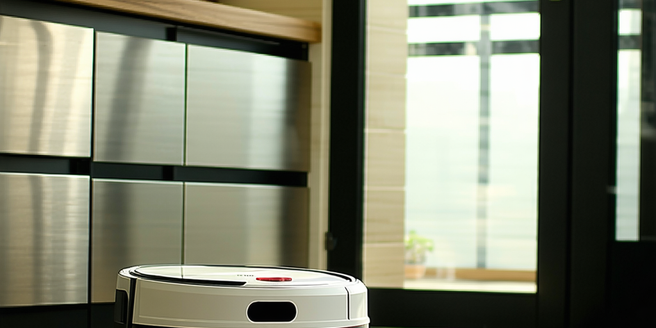
Robot vacuums have become a staple in modern home automation due to their convenience and efficiency. At their core, these devices utilize sensors and software algorithms to navigate rooms autonomously. Using a combination of infrared sensors, laser mapping, and sometimes even cameras, they identify obstacles and create a virtual map of your home. This allows them to clean thoroughly without constant human supervision. Most models offer different cleaning modes, from spot cleaning to entire home sweeps. The integration of AI enables improved pattern recognition, making the devices smarter over time by learning the most efficient cleaning routes. As they vacuum, they use brushes and suction to collect dust and debris effectively, all while adapting to different floor types like hardwood, carpet, or tile.
Key Features to Consider in Robot Vacuums
When choosing a robot vacuum, consider features that align with your lifestyle and home environment. Battery life is crucial; longer battery life means more coverage before needing a recharge. Look for models with a self-charging capability to minimize manual intervention. Another key feature is suction power, particularly if you have pets or carpets that require additional cleaning force. Multi-surface adaptability is also important, as it ensures the vacuum can transition across different floor types seamlessly. Noise level is another factor; quieter models are ideal for homes with children or pets that might be disturbed by loud noises. Smart home compatibility enhances convenience, allowing you to schedule cleanings and control the robot using voice commands or smartphone apps. Ultimately, choose features that will make cleaning as effortless as possible for your specific needs.
Integrating Robot Vacuums with Smart Home Systems
Integrating your robot vacuum with smart home systems can enhance its functionality and make daily life more convenient. Many modern robot vacuums come equipped with Wi-Fi capabilities that allow them to connect to home networks, making them controllable through smartphone apps. These apps often feature options for scheduling specific cleaning times, selecting cleaning modes, and providing status updates on cleaning tasks. Additionally, some models are compatible with smart assistants like Amazon Alexa or Google Assistant, enabling voice-activated commands. By incorporating your robot vacuum into a broader smart home ecosystem, you can create automated routines. For example, the vacuum could start cleaning once you leave the house or stop when your security system is disarmed, ensuring your home remains clean with minimal manual input.
Top Robot Vacuum Models for Different Needs
The market offers a variety of robot vacuum models designed to meet specific needs. For budget-conscious consumers, the Eufy RoboVac series provides reliable performance without breaking the bank. If pet hair is a primary concern, consider the iRobot Roomba s9+, featuring strong suction and rubber brushes to effectively capture fur from carpets and hard floors. The Roborock S7 stands out with its mopping capability, making it ideal for homes with both carpets and hard floors. For those seeking advanced features, the Neato D10 offers laser mapping technology for precise cleaning patterns and no-go zones. Meanwhile, Samsung’s Jet Bot AI+ uses AI-based sensors for an adaptive cleaning strategy. Assessing your priorities, whether they’re budget, pet hair management, or advanced features, will guide you to the right model.
Maintenance Tips for Optimal Robot Vacuum Performance
To keep your robot vacuum running efficiently, regular maintenance is essential. Empty the dustbin after each cleaning session, as a full bin reduces suction power and cleaning ability. Clean the vacuum’s filters routinely, typically once a week, to maintain optimal airflow and prevent clogs. If your model uses brushes and rollers, check them for tangled hair and debris, which can impede movement and reduce cleaning effectiveness. The sensors and camera lenses should be wiped gently with a microfiber cloth to ensure accurate navigation and obstacle detection. Periodically inspect the wheels for any blockages and remove any foreign objects that may interfere with movement. Finally, update the robot’s software regularly; manufacturers often release updates that enhance performance and add new features, keeping your device smart and effective.