Revolutionary Tech In Smart Urban Living
The Rise of Smart Cities: An Overview
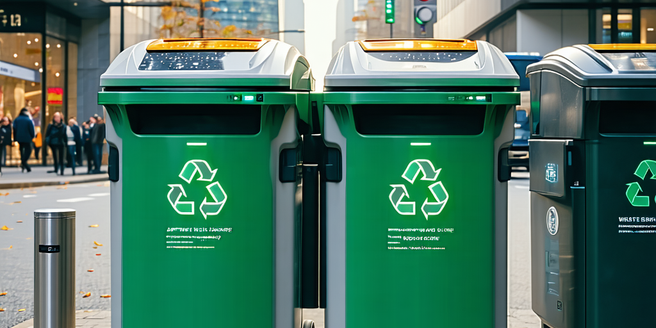
The concept of the smart city is transforming the way urban environments operate and grow. With advancements in digital technology, urban centers aim to improve living conditions by integrating systems and services. Sensors, data analytics, and advanced communication networks create efficient infrastructure systems, enhancing everything from traffic management to waste collection. These innovations result in enhanced public safety, energy efficiency, and community engagement. As more cities embrace these technologies, a connected urban landscape becomes the norm, tackling issues like overcrowding and resource management with data-driven solutions, setting the stage for a sustainable and smart future.
IoT and Its Impact on Urban Infrastructure
The Internet of Things (IoT) is revolutionizing urban infrastructure by providing real-time data and connectivity. IoT devices, including sensors and smart meters, allow for the seamless integration of services such as energy management, water supply, and public transport systems. By connecting these elements, cities can monitor and control resources more efficiently, leading to reduced waste and cost-effectiveness. IoT also plays a pivotal role in disaster management, allowing cities to respond more swiftly to emergencies. As IoT technology continues to evolve, urban planners can anticipate and address infrastructure challenges, improving the quality of life for city dwellers.
Sustainable Energy Solutions in Urban Environments
Urban areas are pivotal in the transition to sustainable energy solutions, leveraging advanced technology to curb emissions and reduce environmental impact. Cities are integrating renewable energy sources like solar, wind, and biomass into their grids, promoting energy efficiency with smart buildings and grids. These solutions reduce reliance on fossil fuels, contributing to cleaner air and a healthier population. Moreover, the advent of energy storage systems and decentralized power distribution ensures a steady supply of green energy. By prioritizing sustainability, urban environments set a precedent for communities worldwide to follow suit, leading the charge in the fight against climate change.
Autonomous Transportation and Its Urban Implications
Autonomous transportation is poised to redefine urban living, offering solutions to longstanding issues like traffic congestion and pollution. With the rise of autonomous technologies, cities are at the cusp of a transportation revolution. Self-driving cars, buses, and drones promise to enhance mobility and safety in cities, optimizing routes and reducing human error. The effects extend beyond improved traffic flow; autonomous vehicles contribute to reduced emissions and more efficient use of urban space, fostering greener environments. Implementing these technologies also encourages cities to upgrade their infrastructure and adapt legal frameworks, ensuring technology use is safe and beneficial. As autonomy progresses, urban landscapes will evolve, prioritizing pedestrian safety and accessibility.
Smart Home Innovations: Enhancing Daily Life
Smart home technology is making everyday life more convenient and efficient, fundamentally changing urban living. Devices such as smart thermostats, lighting, and appliances enable homeowners to manage their energy consumption, contributing to sustainability. With increasing adoption rates, these systems are becoming more accessible to the average consumer. These innovations connect seamlessly with smartphones, offering remote access and control, thereby enhancing security and comfort. Furthermore, smart homes are equipped to communicate with broader smart city networks, facilitating intelligent energy usage and real-time data collection. As technology advances, smart homes become integral to urban life, promising cost-saving, efficient, and environmentally friendly living solutions for residents, revolutionizing modern housing.
The Role of AI in Urban Planning and Management
Artificial Intelligence (AI) is becoming a cornerstone in urban planning and management, offering innovative ways to analyze data and make informed decisions. Through advanced algorithms, AI can simulate urban growth, helping planners optimize space usage, transportation networks, and resource allocation. AI-powered tools facilitate predictive analytics, allowing cities to anticipate changes and address challenges preemptively. This technology supports efficient services, from automated traffic systems to enhanced public safety measures. As AI continues to mature, its integration into urban management systems will drive smarter, more responsive cities, fostering sustainable development and fostering improved quality of life for all residents.