Smart Water Heaters And Energy Efficiency
Understanding Smart Water Heater Technologies
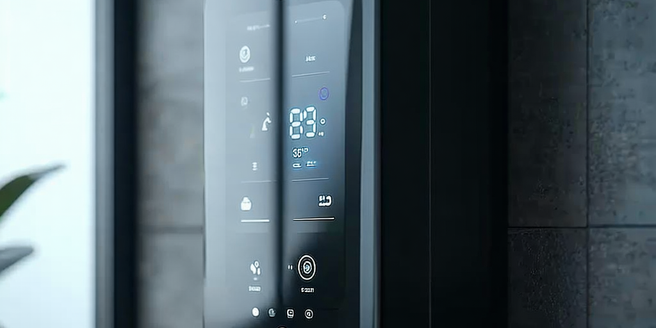
Smart water heaters are revolutionizing home energy consumption by offering innovative and efficient features. These devices utilize sensors and internet connectivity to monitor water usage patterns, adjust heating accordingly, and even learn from user behavior to optimize energy efficiency. By being able to control heating elements and schedule water heating to off-peak hours, smart water heaters help reduce energy demand and lower costs. Additionally, these intelligent systems often connect to smartphones or home automation networks, allowing users to monitor and control them remotely. This level of control not only enhances convenience but also reduces the overall energy footprint of a household. Overall, these advancements in technology are playing a critical role in shaping the future of energy-efficient homes, making smart water heaters an attractive option for environmentally conscious consumers.
Benefits of Smart Water Heaters for Homeowners
For homeowners, smart water heaters offer numerous advantages that contribute to a more efficient and comfortable living environment. One major benefit is cost savings, as these heaters optimize energy use by heating water only when necessary and taking advantage of off-peak energy rates. This results in reduced utility bills over time. Furthermore, smart water heaters often feature robust monitoring capabilities that alert users to potential malfunctions before they become serious issues, thereby reducing maintenance costs. The ability to control the heater remotely through a smartphone or home automation system also adds a layer of convenience, ensuring that hot water is available when needed without excessive energy waste. Additionally, eco-conscious homeowners appreciate the reduced carbon footprint achieved by these advanced systems, making smart water heaters not only a cost-effective solution but also a sustainable one.
How Smart Water Heaters Contribute to Energy Efficiency
Smart water heaters are designed to significantly improve energy efficiency in households. By utilizing technology such as self-learning algorithms and real-time data, these appliances can predict and adjust water heating patterns based on user habits. This means that energy is not wasted on maintaining water temperature when it’s not needed, as the heater can automatically switch off or reduce heating during periods of low demand. Such precise management of energy use leads to considerable savings in electricity consumption, thus lowering utility bills. Moreover, many smart water heaters are capable of communicating with the energy grid to help balance load during peak times, further conserving energy resources. As a result, these intelligent systems not only benefit individual homeowners by lowering costs but also contribute to broader efforts in energy conservation.
Comparing Smart Water Heaters to Traditional Models
When comparing smart water heaters to their traditional counterparts, several distinct advantages emerge. Traditional water heaters usually heat water at a constant rate, regardless of actual need, which can lead to inefficiency and increased energy costs. In contrast, smart water heaters use advanced technologies to adapt to a household’s specific usage patterns, ensuring that energy is used more wisely and effectively. Moreover, traditional models lack remote access capabilities, which means homeowners must manually adjust settings. Smart heaters, however, offer remote control via smartphones, allowing for precise scheduling and adjustments even when away from home. This flexibility is appealing to those seeking more control over their energy use. Additionally, smart water heaters often include proactive diagnostic tools that alert users to issues before they escalate, something traditional models do not typically offer.
Key Features to Look for in a Smart Water Heater
When selecting a smart water heater, it’s important to consider several key features that enhance functionality and efficiency. First, look for a model with Wi-Fi connectivity, which facilitates remote monitoring and control through smartphones or home automation systems. A self-learning algorithm is another valuable feature, as it allows the heater to adapt to your household’s usage patterns, optimizing energy consumption. Additionally, models offering demand-response capability can adjust their energy use based on utility company signals, potentially saving more on energy costs. Integrated diagnostic tools are also crucial as they provide early alerts to maintenance needs or system faults, ensuring the heater operates efficiently and lasts longer. Moreover, energy efficiency ratings and compatibility with renewable energy sources can further enhance sustainability, making these heaters a wise investment for those looking to reduce environmental impact.
Future Trends in Smart Water Heater Technology
The future of smart water heater technology is promising, with trends leaning towards even greater energy efficiency and user convenience. Advances in artificial intelligence are expected to further enhance the self-learning capabilities of these devices, enabling them to make more accurate predictions and adjustments based on complex algorithms. Moreover, integration with smart home ecosystems will become more seamless, allowing for comprehensive energy management and automation. Another trend is the development of hybrid systems that combine smart technology with renewable energy sources like solar panels, offering even more sustainable options for homeowners. Additionally, the rise of Internet of Things (IoT) technology means that smart water heaters will increasingly participate in connected energy management systems, optimizing their performance not just individually but as part of a larger network. These innovations are set to transform how we approach water heating, prioritizing both efficiency and environmental responsibility.