Smart Home Compatibility
Understanding Smart Home Integration
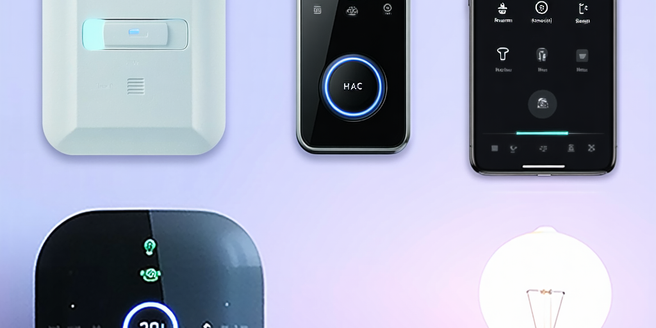
Understanding smart home integration involves knowing how various devices and systems within a home can communicate with each other effectively. The main goal is to create a seamless environment where devices such as lights, thermostats, security systems, and appliances can be controlled through a centralized platform. Smart home integration relies heavily on protocols and standards like Wi-Fi, Zigbee, and Z-Wave to ensure that devices from different manufacturers can work together. It’s crucial to focus on compatibility, ease of use, and ensuring that the chosen systems are future-proofed for upcoming technologies. The success of smart home integration is dependent on consistent updates, user-friendly interfaces, and the ability to customize and automate tasks based on user needs. Investing time in understanding these technologies can enhance the efficiency and convenience of your smart home.
Popular Smart Home Platforms
In the realm of smart home technology, several platforms have emerged as leaders due to their robust features and compatibility with a wide array of devices. Platforms like Google Home, Amazon Alexa, and Apple HomeKit are popular choices among users, each offering unique features tailored to their ecosystems. Google Home excels in search and integration with Google services, enabling voice-activated control and automation. Amazon Alexa offers vast compatibility with third-party devices and seamless integration with Amazon services. Apple HomeKit touts high security and ease of use, integrating smoothly with Apple’s vast suite of products. Each platform supports various devices, so users need to explore their preferences regarding compatibility, device support, and ecosystem alignment. Selecting the right platform is crucial for streamlined smart home operations and optimal user experience.
Choosing Compatible Devices
When building a smart home, selecting compatible devices is paramount to ensure seamless operation and integration. It’s essential to research and choose devices that support the smart home platform you prefer, whether it’s Google Home, Amazon Alexa, or Apple HomeKit. Compatibility ensures that your devices can communicate and operate within the same ecosystem without issues. Start by identifying key devices such as light bulbs, locks, cameras, and thermostats that are labeled as compatible with your chosen platform. Check manufacturer’s information for certification and support for necessary protocols like Z-Wave or Zigbee. Moreover, consider future compatibility as smart home technology rapidly evolves. Choose reputable brands that offer regular updates and have a solid support system. Prioritizing device compatibility minimizes technical glitches and maximizes the utility of your smart home setup.
Ensuring Seamless Connectivity
Achieving seamless connectivity in a smart home is critical for reliable performance and user satisfaction. The foundation of connectivity lies in a robust wireless network, as most smart devices operate over Wi-Fi, Zigbee, or Z-Wave. Start by ensuring your home Wi-Fi network has strong coverage across all areas; consider mesh networks for improved range and reliability. Regularly update your router firmware to support new standards and maintain security. Use a dedicated smart home hub if necessary, to facilitate communication between different devices and protocols. Assessing your internet service speed for capacity to handle multiple connected devices without lag is vital. Regular testing and optimization of the network can prevent interruptions. Appropriately configuring network settings and regularly reviewing device permissions can protect against unauthorized access, ensuring a safe and efficiently connected environment.
Future-Proofing Your Smart Home
Future-proofing your smart home means preparing your devices and systems to be compatible with upcoming technologies and updates. Start by investing in products from reputable manufacturers known for supporting advancements and providing regular updates. Opt for devices compatible with multiple protocols to enhance flexibility, such as products supporting both Zigbee and Z-Wave, alongside robust Wi-Fi capabilities. Consider choosing smart home hubs or ecosystems that are open to integrating new technologies as they emerge. Stay informed about new developments in smart home tech and be prepared to adapt your setup when beneficial features or security enhancements become available. Factor in scalability when planning your smart home infrastructure to accommodate additional devices. This proactive approach ensures your smart home remains functional, efficient, and up-to-date with minimal disruptions in the coming years.