Elderly Care With Smart Home Devices
Understanding the Role of Smart Home Devices in Elderly Care
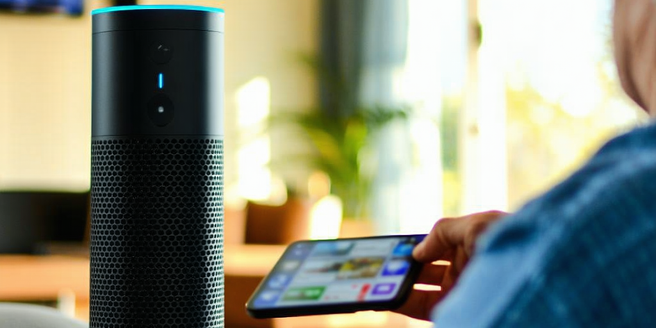
Smart home devices are revolutionizing elderly care by providing solutions that increase independence and safety for seniors. Devices like smart doorbells, digital assistants, and remote health monitoring systems enable caregivers to keep a watchful eye on the well-being of elderly family members without being intrusive. Through sensors and automation, smart homes can detect unusual activities such as falls or sudden health changes, sending immediate alerts to caregivers. This integration of technology is instrumental in creating a supportive environment that caters to the unique needs of seniors, thus allowing them to lead a more comfortable life at home. Furthermore, smart home technology fosters communication between seniors and their family members, promoting a sense of connectivity and reducing feelings of isolation, which are prevalent challenges in elderly populations.
Top Smart Home Technologies for Senior Safety
When it comes to ensuring senior safety, specific smart home technologies stand out. Motion-sensor lighting helps prevent falls during nighttime navigation, while smart smoke detectors alert both the resident and emergency contacts at the first sign of danger. Wearable devices like smartwatches can monitor heart rates and detect falls, automatically contacting emergency services when necessary. Security systems with cameras offer peace of mind by lighting up areas with unusual activity and providing live video feeds to family members. Additionally, medication management systems ensure timely intake of prescriptions, employing reminders and alerting caregivers if doses are missed. Such technologies not only enhance safety but also enable seniors to enjoy their independence without constant supervision, ensuring both physical security and emotional well-being within the comfort of their own homes.
Benefits of Smart Home Automation for Older Adults
Smart home automation offers a myriad of benefits for older adults, primarily enhancing their quality of life and independence. Automated systems can manage household tasks such as lighting, temperature control, and even grocery ordering, tasks that may become challenging with age. By automating daily routines, seniors can live more comfortably while reducing the burden on caregivers. Furthermore, smart home technologies enable better health management through devices that track activity levels and vital signs, providing valuable data for proactive healthcare decisions. The integration of assistive technologies also helps in overcoming mobility limitations, encouraging active engagement in daily activities. All these factors contribute to an improved sense of independence and self-reliance for aging individuals, allowing them to remain in their own homes longer and with greater peace of mind.
Challenges and Considerations in Implementing Smart Home Solutions
While smart home technologies offer significant benefits for elderly care, their implementation presents several challenges. Privacy concerns are at the forefront, as many devices collect and store personal data, necessitating stringent data protection measures. Cost is another barrier; high initial investment and ongoing maintenance fees may be unaffordable for some seniors. Additionally, there might be a learning curve associated with adopting new technologies, requiring adequate training and support for senior users. Compatibility issues among different devices can cause constraints, requiring careful selection and configuration to ensure seamless operation. It’s crucial to collaborate with trusted providers to address these challenges and explore solutions that meet the unique needs of seniors, balancing convenience with security. Tailoring smart home systems to individual requirements while considering these factors ensures successful integration into elderly care.
Future Trends in Smart Home Devices for Aging Populations
The future of smart home devices for aging populations is poised for exciting advancements. Artificial intelligence will increasingly drive personalization, allowing smart systems to adapt to individual preferences and predict needs before they arise. The development of more intuitive interfaces will enable easier interaction for seniors, fostering greater adoption. Emerging technologies like virtual reality may be utilized for therapeutic purposes, offering environments for relaxation or even remote socialization. We may also witness the rise of interconnected ecosystems that facilitate seamless communication between multiple devices, creating a holistic and integrated living experience. Additionally, advancements in health-monitoring capabilities are expected to provide real-time data, aiding in preventive care and early intervention. As the technology evolves, expansive and innovative solutions will continue to enhance elderly care, embodying both futuristic convenience and compassionate support.