Smart Thermostats For Climate Control
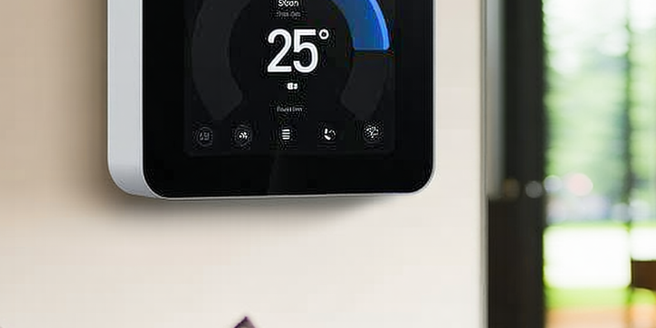
Understanding Smart Thermostats: Features and Benefits
Smart thermostats offer a range of features designed to enhance comfort and energy efficiency. These devices connect to your Wi-Fi network, allowing you to control the temperature settings in your home remotely via smartphone apps or web platforms. They learn your schedule over time and adjust the temperature accordingly, optimizing energy usage. Compatibility with smart home systems and voice assistants adds convenience, letting you change settings with simple voice commands. Additionally, sensors can detect occupancy and adjust heating or cooling to maintain comfort while considering energy savings. Integrating smart thermostats leads to a more controlled climate at home, providing both convenience and cost efficiency.
How Smart Thermostats Improve Energy Efficiency
Smart thermostats can significantly enhance energy efficiency by learning your patterns and adjusting heating and cooling based on your schedule and habits. They analyze your home environment and make intelligent decisions to reduce unnecessary energy consumption, particularly during times when the house is unoccupied. Many models provide detailed energy reports that help you understand your usage patterns, identifying areas where you can save more on energy bills. Furthermore, smart thermostats can adapt to changes in season, weather conditions, and individual preferences. They work with other smart home devices to create an interconnected system, optimizing energy usage across different systems.
Top Smart Thermostat Brands and Models Reviewed
When choosing a smart thermostat, several top brands stand out due to their features and reliability. Nest, for example, offers comprehensive learning capabilities and seamless integration with other home automation systems. The Ecobee thermostats are known for their compatibility with sensors that monitor temperature in different rooms, enhancing comfort. Honeywell provides a range of smart thermostats that are easy to use and install, offering both basic and advanced models to suit various needs. Each brand has unique attributes and user preferences play a significant role in selecting the ideal model. Reading reviews and comparing features can help homeowners decide the best fit for efficient climate control.
Installing and Setting Up Your Smart Thermostat
Installing a smart thermostat can seem daunting, but with careful preparation, it becomes a straightforward task. Begin by shutting off power to your HVAC system to ensure safety. Remove the existing thermostat, making note of how the wires are connected. Most smart thermostats come with comprehensive installation guides and videos. Use the app or provided software to connect the thermostat to your Wi-Fi network. Once connected, input initial settings such as desired temperature ranges and daily schedules. Calibration and testing ensure that the system works effectively. Many models also offer online resources or customer support to assist through the installation process.
Maximizing Savings with Smart Thermostat Programming
To maximize the savings potential of your smart thermostat, it’s crucial to program it effectively. Start by setting a schedule that aligns with your lifestyle, ensuring the HVAC system reduces energy use when you’re not home or asleep. Take advantage of learning algorithms that adapt to your preferences and automatically create efficient heating and cooling plans. Utilize features like geofencing, where the thermostat adjusts based on your smartphone’s location, to conserve energy when you’re away. Regularly review energy reports provided by the device to identify further opportunities for efficiency. By actively engaging with your smart thermostat’s capabilities, you can enjoy substantial savings on your energy bills.
The Future of Smart Thermostats in Climate Control
The future of smart thermostats looks promising as their integration into smart homes continues to evolve. As technology advances, these devices are expected to offer more sophisticated features, such as enhanced AI-driven algorithms for more precise climate control. Greater connectivity with other smart home devices will enable the creation of comprehensive home automation ecosystems. Development in this sector aims to improve energy management by integrating renewable energy sources. Advances in machine learning will allow these thermostats to predict usage patterns more accurately, maximizing comfort and cost savings. Future models may also include additional sensors for real-time air quality monitoring and weather adaptive controls, revolutionizing how homeowners manage indoor climates.